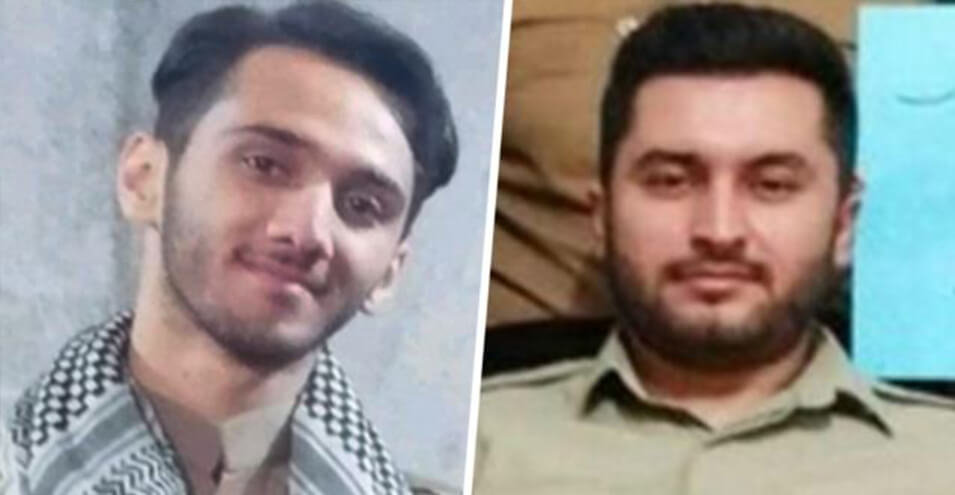
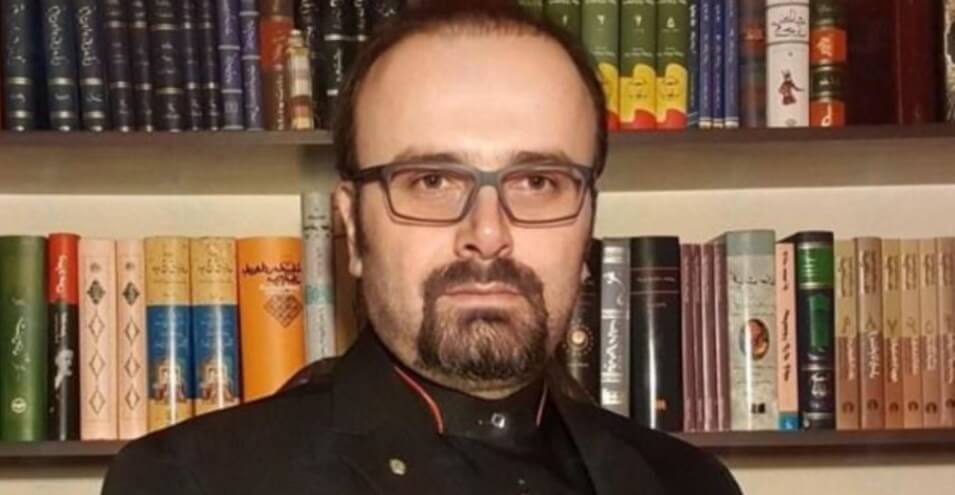
Human Rights Watch Calls on Iranian Authorities to Release Detained Teachers ‘Immediately and Unconditionally’
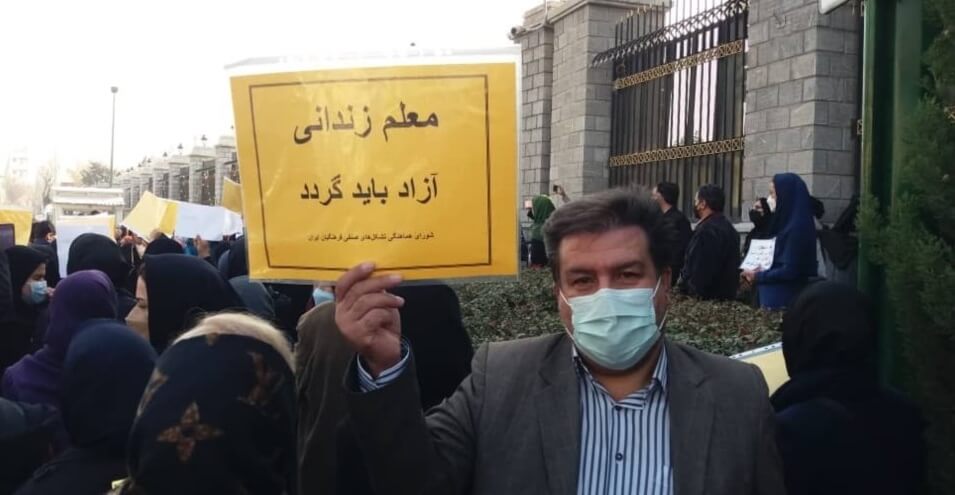
Human Rights Watch issued a statement on Thursday, May 5, calling for the immediate and unconditional release of teachers arrested during peaceful protests and labor union activities.
Tara Sepehriaifar, senior Iran researcher at Human Rights Watch, emphasizing that Iranian Islamic Republic authorities “instead of cooperating with independent associations to ensure respect for Iranians’ economic and social rights, have once again decided to imprison people for attempting to organize the vindication of collective rights,” stated: “Attempts to silence peaceful gatherings and public protests do not eliminate the bitter reality of Iran’s economy.”
Increased pressure on civil and political activists by Iranian Islamic Republic authorities comes as Alena Douhan, UN special rapporteur, will travel to Iran on May 17 to investigate “the negative impact of coercive unilateral measures.”
Prince Reza Pahlavi, regarding this visit and pointing to the widespread human rights violations in Iran, said that he “instead of preparing to gain political advantage for his trip to Iran, should pressure the Islamic Republic to immediately release activists who are on hunger strike in prison and whose health conditions are deteriorating, including Monoochehr Bakhtiari, Behnam Mousivand, and detained teachers.”
Earlier, Shirin Ebadi, human rights lawyer and Nobel Peace Prize winner, in a letter to Michelle Bachelet, UN High Commissioner for Human Rights, asked her to make the trip of “the special representative investigating the harm of sanctions” to Iran conditional on the Islamic Republic’s permission for Javid Rahman to travel to Iran.
Javid Rahman is the UN special rapporteur on human rights in Iran who has not yet been granted permission by the Islamic Republic to enter Iran.
Concurrent with International Workers’ Day and Teacher’s Day in Iran, security pressures on educators’ professional activists increased, and dozens of teachers were arrested in various parts of the country.
According to Mahmoud Beheshti Langaroudi, deputy head of the Teachers’ Professional Association, the peak use of coercive force in dealing with educators occurred only due to the use of legal capacities such as “field movements and peaceful gatherings based on Article 27 of the Constitution,” during Ebrahim Raisi’s administration.
Teachers at these gatherings demand the resolution of “livelihood issues,” “modernization of education,” and the cessation of ideological instruction.
Source: Voice of America