Increase in Afghan Migration to Europe “Affected by Iran’s Economic Sanctions”
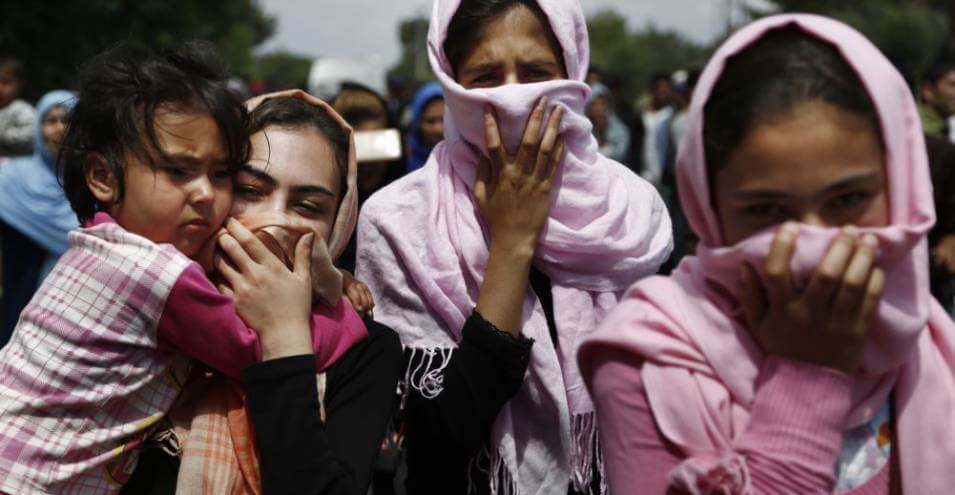
Reuters has reported that the number of Afghan migrants who have left Iran due to the country’s economic difficulties and headed to Europe has increased.
According to the report, the number of Afghan migrants who have arrived in the European Union has now surpassed Syrian nationals and represents the highest number of migrants entering the European Union illegally.
In recent days, European countries have warned about the possibility of a new wave of Syrian refugees due to Turkey’s military attack, but estimates show that their more serious problem is the influx of refugees, particularly Afghan migrants who have entered the union illegally, especially through Greece.
The latest statistics from the European Union border management agency show that approximately 17,000 Afghan migrants crossed the Aegean Sea and arrived on Greek shores in the current year.
A senior European Union official told Reuters that approximately half of these individuals were residents of Iran before traveling to Europe through Turkish territory, and many Afghan migrants coming to Europe were born in Iran.
According to this official, the reason for their migration to Europe is “the deterioration of Iran’s economic situation under the impact of American sanctions.”
Since the United States reimposed nuclear sanctions against Iran in May of last year, Iran’s economy has come under severe pressure.
In recent months, multiple reports were published about Afghan workers leaving Iran. Some of these workers returned to Afghanistan while others went to other countries.
Additionally, in May of this year, Abbas Araghchi, Iran’s Deputy Foreign Minister, made a controversial statement saying: “If oil sales reach zero, we may ask Afghans to leave Iran.”
These remarks, which demonstrated Iran’s attempt to use Afghan migrants as a tool and pressure the European Union, faced widespread negative reactions. However, Iran’s Deputy Foreign Minister, while defending his previous statements, announced that payment for Afghan migrants in Iran by European governments had previously been a “demand” of the Islamic Republic but has taken on “new dimensions” following American sanctions.
Stating that Afghan migrants cost Iran a total of “eight billion dollars,” he added: “European governments should pay their share in hosting migrants, either through paying costs or by accepting some of them in their own countries.”
Alauddin Boroujerdi, an Iranian parliament representative, also defended Araghchi’s remarks, saying: “The European Union pays six billion euros annually to Turkey to prevent Syrian migration, while they are doing nothing regarding Iran.”
Several months after explicit threats from Iranian officials, it appears that the increase in Iran’s economic problems has partially met the demands of Islamic Republic officials.
Source: Radio Farda