Increase in Crimean-Congo Fever Cases in Iran; One Person Dies
The head of the department for managing communicable diseases between humans and animals at Iran’s Ministry of Health announced that 13 people have contracted Crimean-Congo fever. Two days ago, the infection of 9 people with this disease had been confirmed. So far, one of those infected with this disease has died.
Behzad Amiri stated that since 1999 when the first case of this disease was identified in Iran, 1,608 cases of infection and 209 deaths resulting from the disease have been recorded.
According to this Iranian Health Ministry official, in 2021, 13 patients were identified, of which 2 died.
The head of Iran’s Veterinary Organization has asked people to refrain from consuming raw or undercooked (bloody) meat and liver.
Unlawful slaughter and transportation of meat products and buying and selling raw livestock products through unauthorized channels and unsanitary slaughter by untrained individuals are among the reasons for the increased prevalence of this disease in the country.
Crimean-Congo fever has also spread in Iraq, with 111 cases identified since January 2022, and 19 infected people have died.
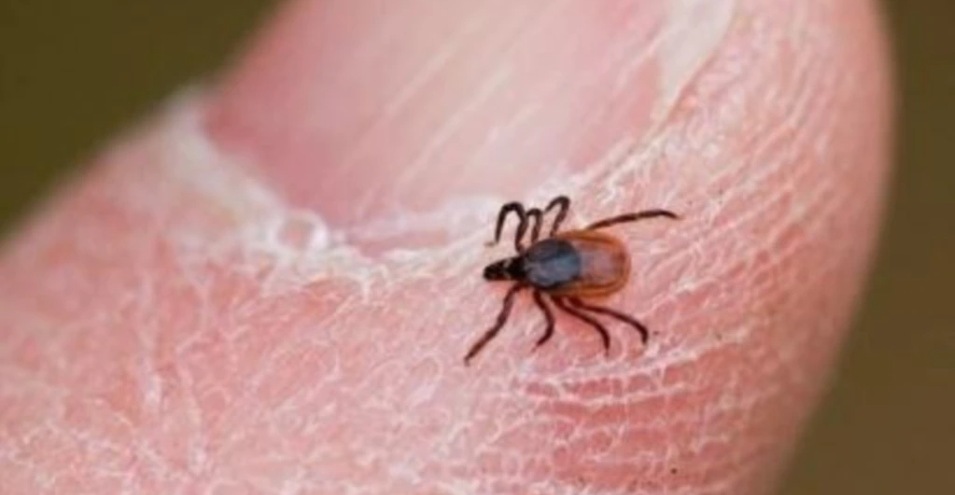
Crimean-Congo fever is a viral disease transmitted by ticks with a shared origin between humans and livestock.
People who work with livestock and handle tissue, such as butchers and slaughterhouse workers, are at greater risk of infection than others.
Transmission of this disease from person to person can occur through close contact with blood, secretions, or other bodily fluids of infected individuals.
The incubation period of the virus depends on how it is transmitted. After infection by a tick bite, the incubation period is usually one to three days and a maximum of nine days. The incubation period after contact with blood or infected tissues is usually 5 to 6 days and a maximum of 13 days.
This disease is accompanied by symptoms such as fever, muscle pain, dizziness, neck stiffness, eye pain, light sensitivity, and in the early stages of infection, nausea, diarrhea, and abdominal pain.
As the disease progresses, extensive areas of the body become bruised, and the patient experiences severe nasal bleeding, which usually starts around the fourth day of illness and lasts about two weeks.
The mortality rate in hospitalized patients ranges from 9% to 50%.
In the early stages of infection, the patient does not produce many antibodies. Crimean-Congo fever is diagnosed through enzyme-linked immunosorbent assay (ELISA), antigen detection, serum neutralization, and reverse PCR.
The antiviral drug “Ribavirin” is prescribed orally and by injection for the treatment of this disease.
No vaccine has been developed to prevent infection with this disease, either in humans or animals.
Source: Voice of America