Indian Traders Have Halted Their Exports to Iran
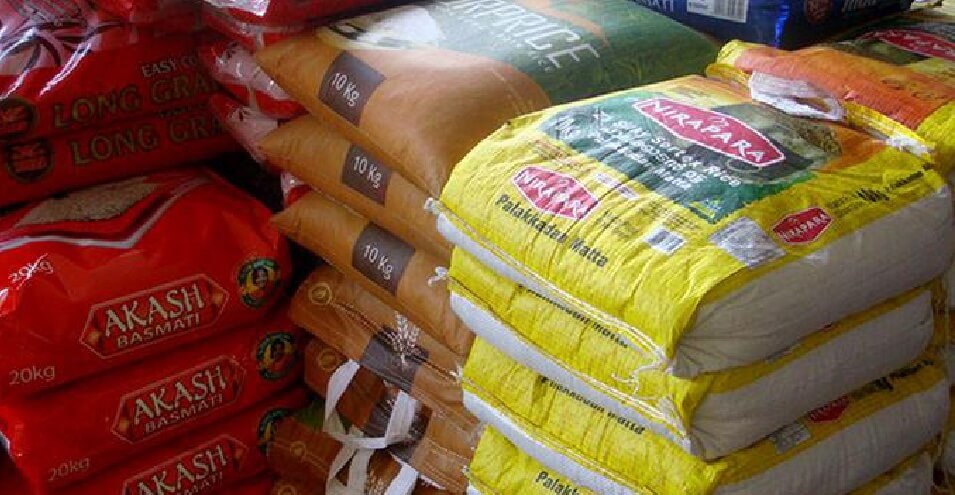
Six Indian foreign trade officials told Reuters that Indian traders have almost stopped signing new contracts with Iranian buyers for the sale of goods such as rice, sugar, and tea. The reason is the decline in Iran’s rupee reserves.
Reuters, in an exclusive report citing six Indian foreign trade officials, reported that Indian traders have almost stopped concluding new contracts with Iranian buyers for the export of goods such as rice, sugar, and tea due to the decline in Iran’s rupee reserves.
According to the report, a manager of a global trading company said that exporters are “avoiding dealings with Iran because payments are delayed for months.”
According to him, Iran’s rupee reserves at two Indian banks “UCO” and “IDBI” have “declined significantly, and exporters are uncertain whether payments for new shipments will be made on time or not.”
Due to US sanctions, Iran cannot use the US dollar to conduct oil sales transactions. Previously, Iran would import essential goods from India, including agricultural and food products, in exchange for oil sales. However, after the expiration of the US sanctions exemption period, India stopped buying oil from Iran in May 2019.
Iran’s Rupee Reserves Will Soon Run Out
Indian sources also told Reuters: “Following the halt of oil imports from Iran to India, Iran continued to purchase goods from this country and make payments in rupees, but after 22 months, Iran’s rupee reserves declined.”
A senior official at India’s Industrial Development Bank also confirmed this matter and told Reuters: “Due to the suspension of oil transactions, Iran’s rupee reserve has severely declined and will likely end soon.”
Iran primarily purchases rice, tea, sugar, soya, and medicine from India. Vijay Setia, a rice exporter and former chairman of the All India Rice Exporters Association (AIREA), said: “Rice exporters are concerned about the current payment mechanism.” He added: “There have been very significant delays in payments for shipments from last year, and exporters’ money was paid six months after the goods were sent.”
“Iran is Negotiating to Solve the Problem”
Iran was India’s largest buyer of basmati rice and sugar last fiscal year. Traders estimate that the country meets more than one-third of its sugar and rice needs through imports from India. In the first quarter of last fiscal year, approximately 700,000 tons of basmati rice were exported from India to Iran, but according to Setia, the volume of trade this year is “very negligible.”
Iran’s Ministry of Industry, Mines and Trade and the Central Bank of the country have refrained from commenting on this matter. However, an Iranian official who requested anonymity due to the sensitivity of the matter told Reuters: “We are negotiating with the Indian government and Indian traders to solve the payment problem.” He promised that this issue would be resolved soon.
The Iranian official also said: “The delays in payments are due to US sanctions against Iran’s financial system, which have made payments very difficult.”
Exploring the Possibility of Trading in Euros
Rahul Sheikh, manager of a food trading company in India (MEIR), told Reuters that due to the prohibition of dollar transactions and the decline in Iran’s rupee reserves, sugar traders are exploring the possibility of conducting transactions with Iran in euros.
He also told Reuters that with the decline in sugar purchases by Iran, Indian exporters have focused on other countries such as Indonesia and Sri Lanka, “because it is unlikely that Iran will make significant purchases this year.”
Reuters reported, citing an official from India’s Ministry of Commerce and Industry: “India’s total exports to Tehran in 2020 declined by 42 percent compared to the previous year and reached 2.2 billion dollars, which is the lowest level over the past decade.”
Hoping for Changes Under Biden Administration
According to the Indian official, this decline continued in 2021, and in January this year, exports fell to approximately half the amount of January last year, around 100 million dollars. India’s Ministry of Trade and Industry was not willing to comment on this to Reuters.
Reuters reported in its article that Indian traders and trading companies hoped that the Joe Biden administration, the US President, would reduce some of the sanctions against Iran. A manager of a trading company in Mumbai told the news agency that if the US government only removes some of the restrictions and allows Iran to sell its oil for rupees, trade between the two countries would flourish again.
Source: DW