Iran Breaks Ceasefire with Missile Rain over Israel
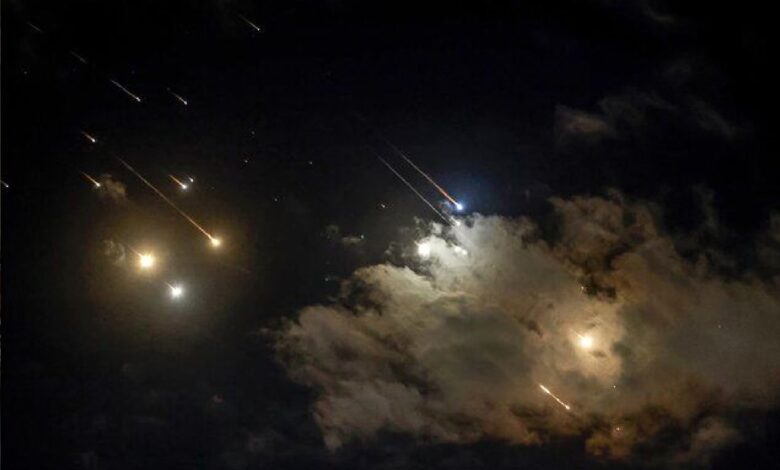
Following escalating tensions between Tehran and Tel Aviv, Iran launched several missiles toward Israel on Sunday evening, marking its first direct attack since the April ceasefire. This strike, carried out in response to Israeli airstrikes in Beirut’s “Southern Suburb,” has renewed concerns about the onset of a new round of regional clashes. The Israeli military reported intercepting the missiles, but officials from both sides have warned that developments in the coming hours could alter the fate of the region’s fragile ceasefire.
Tehran fired several ballistic missiles toward Israel on Sunday evening, executing its first direct attack since the April 2026 ceasefire was established; an action that has heightened concerns about the beginning of a new wave of regional conflicts.
According to the Israeli military’s announcement, missiles fired from Iranian territory toward the northern regions of Israel were intercepted, and no reports of casualties or widespread damage have been released so far. However, warning sirens sounded across various parts of northern Israel, and the country’s air defense systems were placed on full operational alert.
The attack came hours after Israeli fighter jets targeted areas in Beirut’s southern suburbs, hitting main bases of Lebanon’s Hezbollah. Tehran had previously warned that any attack on Beirut would be met with a direct response.
The Islamic Revolutionary Guards Corps stated in a statement that the missile attacks were carried out in response to ceasefire violations and Israeli aggression in Lebanon, and warned that if attacks continue, more severe responses will follow.
For its part, Israeli sources insisted that the country will not leave Iran’s attack unanswered. International media report on the possibility of Israel’s cabinet reviewing military and security options.
This development occurs just two months into the ceasefire between the parties, while diplomatic efforts continue to prevent the war from spreading across the region. Analysts believe tonight’s attack could be a turning point in the current crisis and increases the risk of dragging Lebanon, Syria, and even international actors into a wider confrontation.
All eyes are now on Israel’s potential response; a response that could determine the fate of the region’s fragile ceasefire.