Iran’s Concern Over Russia Becoming a “Fair-Weather Friend” in Oil Agreements
Given Russia’s increased oil production over the past two months, Iran is concerned that the country may not remain committed to its agreements with OPEC. The Organization of the Petroleum Exporting Countries and Russia have agreed not to increase oil production until the end of this year.
Rumors of Russia’s possible withdrawal from oil agreements with the Organization of the Petroleum Exporting Countries (OPEC) began at the start of this year and concerns have now intensified.
In a report published on Thursday (May 24) under the headline “Will Russia Become a Fair-Weather Friend?”, the ISNA news agency assessed Russia’s increase in oil production over the past two months as a sign of Moscow’s non-compliance with the agreement to keep oil production and supply volumes at fixed levels in global markets.
According to the report, Russia produced more oil than the amount specified in the OPEC agreement during the months of March and April, and Alexander Novak, Russia’s energy minister, said that his country may not reduce oil production after the joint meeting in June with OPEC members, as it did before.
OPEC member countries, Russia, and several other non-member countries agreed in November 2016 to reduce their daily oil production by 1.8 million barrels from the beginning of last year and prevent prices from falling.
This policy, which is set to continue at least until the end of this year, has so far led to a 40 percent increase in oil prices in global markets. At the June meeting, OPEC is expected to decide on the future of cooperation among member countries and countries such as Russia.
In the 2016 agreements, it was stipulated that Iran, Nigeria, and Libya, whose oil production had declined due to sanctions and crises, would be exempted from OPEC’s production reduction program until they reached their previous production levels.
Rivals Benefit from Potential Iran Sanctions
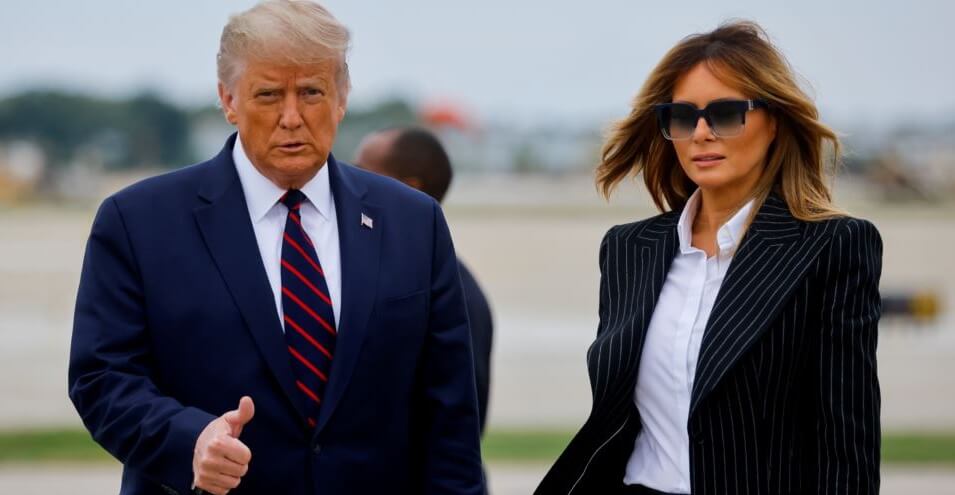
With U.S. President Donald Trump’s decision to withdraw from the nuclear agreement and reimpose sanctions against the Islamic Republic, announced on May 8, the likelihood of a reduction in Iran’s oil supply to global markets has increased, and this could encourage countries like Russia to raise their production levels.
Experts estimate that Russia’s inactive oil production capacity is around 408,000 barrels per day, which equals four percent of the country’s total production of 11.3 million barrels per day.
The ISNA news agency wrote: “Some of Russia’s oil giants made clear long ago that they have ambitious production targets for the future, which the OPEC production reduction agreement has limited them on. Despite these restrictions, some of them have expanded their production; including ‘Gazprom,’ which last year had 1.4 percent more production compared to 2016. This increase resulted from the launch of new fields in the Arctic and this company’s investments in Iraq.”
Other major Russian oil companies, including Rosneft, also have various plans for drilling and developing their oil fields both within and outside the country, which could lead to increased production. An unprecedented rise in oil prices in global markets facilitates investment in new fields.
Light Brent crude oil briefly crossed the $80 per barrel mark last Thursday (May 17), reaching its highest price in the past three and a half years.
According to Reuters, the price of North Sea light crude fell slightly during the day and reached $79.79 per barrel, which was still 51 cents higher than the previous day.
An Uncertain Future for Iran
Alexander Novak recently noted that with oil prices approaching $80 per barrel and the possibility of further price increases, it is necessary to renegotiate the production ceiling and the amount of reduction.
A more pressing concern for the Islamic Republic could be that if countries like Russia fail to maintain stable oil supply levels, and other countries enter the cycle of increasing production, oil prices will fall.
In such a situation, and if American oil sanctions, as Donald Trump has threatened, severely reduce Iran’s oil sales, the Islamic Republic will face enormous financial problems due to decreased production and falling prices.
Source: DW