“Iran’s Physicians Have 6 Trillion Tomans in Tax Evasion”
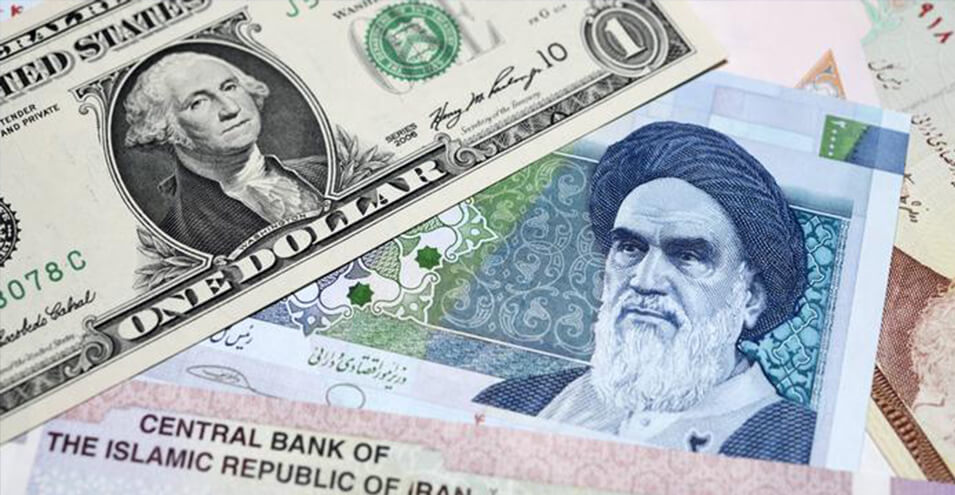
Following the reluctance of some Iranian physicians and dentists to pay billions of tomans in taxes, the Tax Administration Organization and parliament have prepared plans to prevent tax evasion, although they say pressure to repeal the resolutions has increased.
Iranian physicians and dentists paid approximately 150 billion tomans in taxes in 2017. However, the Tax Administration Organization has announced that the actual tax figure for this profession is 700 billion tomans, and the organization faces considerable difficulties in collecting this amount, which differs significantly from the amount paid.
The difference between the tax collector and these taxpayers is at least 60,000 billion rials or 6 trillion tomans, which parliament’s research center says should be collected from physicians and dentists, but “tax evasion” prevents this from happening.
How Much Tax Evasion?
Tax evasion by various professions, including physicians, is defined by specific numbers and figures. A report published by parliament’s research center on the 2019 budget bill included these figures, and some parliamentary representatives and tax administration officials began following up on the issue. These follow-ups have shown that some physicians are not “transparent” about disclosing their income levels and use “special tricks” not only to keep their income hidden but also to evade actual tax payments.
The Budget Reconciliation Commission of the Islamic Consultative Assembly stated that if at least 6,500 to 6,700 billion tomans is collected from physicians, the country’s budget for 2019 can be strengthened.
Information about individuals engaged in tax evasion has been obtained from the comprehensive tax plan systems and provided to special medical audit offices to be audited specifically and with priority. “These individuals are also subject to penalties according to law due to their failure to submit tax declarations.”
Physicians’ taxes are estimated at approximately 700 billion tomans per year, of which physicians have only deposited 150 billion tomans, meaning incomplete tax payment. This process and tax amount have supporters and opponents in parliament, the Tax Administration Organization, and the Medical System Organization.
Opponents say that many government employees and even private sector workers who are usually “from weaker classes” fully pay their taxes, including wage taxes, so how can physicians escape paying their actual taxes.
Recently, the head of tax affairs for Tehran city and province said that of approximately 20,000 physician files in Tehran, only 11,000 people completed tax declarations for their 2017 performance, with the average tax declared by them being 5.7 million tomans per person. Physicians had also reported similar income figures for 2016 as they did for 2017.
However, examinations by tax officials in Tehran city and province showed that based on statistics and information from comprehensive tax plan systems, the average income per physician in 2016-2017 was approximately 14 million tomans, not 5.7 million tomans.
Files on 500 High-Income Physicians
Among practicing physicians, apparently 500 physicians have higher incomes than others, as tax evasion cases have been opened for them. The average monthly tax declared by these physicians was approximately 17 million tomans, while Mohammad Reza Nouri, head of tax affairs for Tehran city and province, stated that their actual tax has been determined and assessed at more than 76 million tomans, which they must pay.
According to tax officials, the weakness of legal mechanisms and the lack of connection between databases has made it difficult not only to collect actual taxes from physicians but also from other professions, to the point that they consider collecting actual taxes “impossible.”
Deposit It to the Secretary’s Account!
Add the lack of card readers and depositing doctor visit fees to a secretary’s account to the aforementioned problems and weak mechanisms. This issue, which is not new but has recently become a media topic to the surprise of some parliamentarians, is that “some physicians deposit their income into their secretaries’ accounts.”
“Hidden ways of concealing income” are among the references made by some members of the parliament’s Budget Reconciliation Commission to the “increasing” process of this practice among some physicians, in such a way that these individuals transfer their income and deposits to their secretaries’ accounts and attempt to ensure “there is no trace of these incomes.”
According to official statistics, 40 percent of Iran’s economy pays taxes, 40 percent are exempt from paying taxes, and 20 percent “shirk” their tax burden and do not pay taxes. The other 60 percent either have not yet “fallen into the tax net” or have been exempted for various reasons.
Suspicious Transactions Are Being Investigated
Installing card readers in clinics is considered one of physicians’ concerns about being caught in these tax nets and they have always opposed it. This issue led to a campaign against physicians without card readers some time ago, forcing patients to pay cash. The campaign had asked everyone to post the names of physicians who did not have card readers in their clinics on social media.
The absence of card readers in physicians’ clinics is one of the issues that, according to tax officials, has also contributed to tax evasion, to the extent that Gholamhossein Davani, a member of the Iranian Association of Certified Accountants, raised the claim that “many physicians have obtained card reader devices in their secretaries’ names.”
This new method may be a temporary way to avoid paying taxes, but “suspicious transactions to secretaries’ accounts” is an issue that the Tax Administration Organization has announced it is investigating.
Meanwhile, a representative of the Tax Dispute Resolution Council of the Tehran Tax Administration Organization has considered the non-use of card readers to be in favor of physicians and to the detriment of people and patients. From the perspective of supporters of physicians’ tax payments, the installation of card reader devices in clinics should become a legal requirement.
“Pressure” to Repeal the Budget Reconciliation Commission’s Resolutions
The installation and use of card reader devices is being emphasized by the Tax Administration Organization while reports of “pressure” to repeal the new resolutions of the parliament’s Budget Reconciliation Commission have been reported.
Two recent resolutions of Iran’s parliament’s Budget Reconciliation Commission are about requiring physicians to install card reader devices and deducting 10 percent from their fees by medical centers as taxes.
Opponents of these two resolutions, whose statements some representatives have considered “pressure,” insist on the “fairness” of the conditions for paying taxes.
Currently, hospitals are required to send the income earned by physicians in hospitals to the Tax Administration Organization mechanically once every three months.
Non-use of card reader devices is also specifically being reviewed. It is planned that this process will be more stringent, and from next year, which is about two months away, strict measures will be taken regarding the acceptance of expenses and the determination of physicians’ taxable income.
Source: DW