Javaid Rahman: 200 People Executed in Iran Last Year
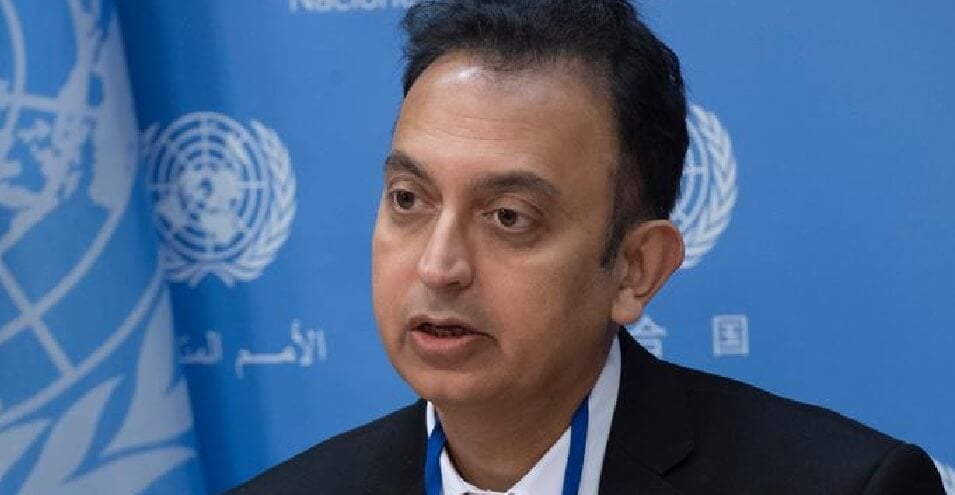
The United Nations special rapporteur on human rights criticized the intensification of human rights violations, increased repression and executions in Iran, and the appointment of human rights violators to senior positions during the third committee of the UN General Assembly.
Javaid Rahman, UN special rapporteur, stated that the Islamic Republic executed approximately 200 people over the past year. In a virtual session of the third committee of the UN General Assembly, he criticized the execution of individuals who were under the legal age at the time of committing the crime and called on Iran to stop executing juvenile offenders.
Javaid Rahman described capital punishment in Iran as “arbitrary deprivation of the right to life” and emphasized that the most basic principles of fair trial are not observed in the Islamic Republic’s judicial cases.
He also referred to confessions obtained under torture and described released videos from Evin prison as “documentation of widespread violence” in Iran’s detention centers.
Javaid Rahman strongly criticized the immunity of officials responsible for the massacre of political prisoners in 1988 and those involved in the November 2019 killings. While not mentioning Ebrahim Raisi by name, he made a clear reference: “Individuals for whom there is evidence of serious human rights violations are placed in high political positions instead of being held accountable….the recent presidential election demonstrated this.”
Javaid Rahman and numerous human rights organizations and Nobel Prize winners have previously called for an independent investigation into Ebrahim Raisi’s role in the 1988 executions.
Rahman noted in his report that the Islamic Republic violates the right to peaceful assembly by resorting to force. In this regard, he referred to the repression of Khuzestan citizens and the death of 9 people during protests over the water crisis.
When enumerating cases of suspicious deaths in Iranian prisons, he cited examples such as Shahin Naseri, witness to the torture of Navid Afkari, and Amirhossein Hatami, and while emphasizing the need to free dual-national prisoners, expressed concern about the health status of Baquer Namazi and his deprivation of surgery.
The UN special representative stressed that the Islamic Republic’s security and intelligence agencies not only arrest civil activists and human rights defenders, but also pressure and harass their family members and relatives.
Javaid Rahman also challenged the Islamic Republic’s response to coronavirus and the deprivation of people’s access to legitimate vaccines.
Source: DW