John Bolton’s Sharp Criticism of Washington-Tehran Deal: “Iranians Played Trump Like a Violin”
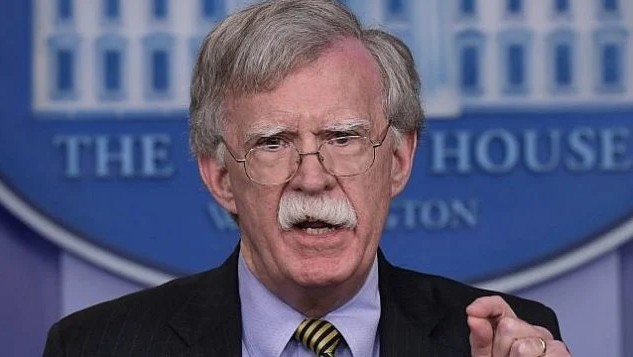
Criticism of the framework agreement between the United States and the Islamic Republic continues, and this time “John Bolton,” former U.S. National Security Advisor, sharply claimed that Tehran was able to leverage Donald Trump’s intense desire to end the crisis in recent negotiations and secure concessions that previously seemed unthinkable. Bolton believes the U.S. president’s primary concern was not the strategic consequences of the agreement, but rather its impact on energy markets and fuel prices within America.
Bolton, on the sidelines of the G7 summit, described the recent agreement between Washington and Tehran as one that benefits the Islamic Republic more than it does America. Referring to the negotiation process, he said: “The Iranians played him like a violin and manipulated him; that’s why they reached an agreement they wanted.”
His remarks come as the Trump administration has presented the new agreement as an important step toward ending the war, reopening the Strait of Hormuz, and launching fresh negotiations over Iran’s nuclear program. American officials have stated that a memorandum of understanding between the two countries has been signed, and its full text is set to be released. However, certain aspects of the agreement remain unclear to the public and even some American allies.
The former U.S. National Security Advisor believes Trump’s primary motivation in pursuing the agreement was to prevent rising energy prices in global markets. He said: “Trump is not thinking about the geopolitical consequences of this agreement. He is thinking about only one thing; he wants the Strait of Hormuz to be open, he wants Persian Gulf oil to enter global markets, and he wants gas prices at American pumps to come down. That’s the only thing that matters to him.”
When Bolton was asked whether this approach means sacrificing national security considerations for economic ones, he replied: “I think ultimately that’s what it comes down to.”
One of Bolton’s most important criticisms of the agreement is the non-release of its complete details. While the U.S. administration has spoken of publishing the agreement’s text in the coming days, many of its key clauses remain undisclosed. Some international media outlets have also reported that there are multiple ambiguities regarding how sanctions will be lifted, the status of Iran’s nuclear program, the future of negotiations, and even how the two parties’ commitments will be implemented.
On this matter, Bolton said: “If it were an extraordinary agreement, they would have made the text public. That fact alone tells you almost everything you need to know.”
He also rejected the White House’s narrative about weakening the Islamic Republic’s leadership structure following recent military strikes and said: “The only change that has occurred is that we have killed four or five hundred senior government officials, and now their seconds-in-command and replacements have taken over. So yes, the people have changed, but the same ideological and extremist government remains in place.”
In another part of his remarks, Bolton dismissed assurances from Islamic Republic officials about having no plans to acquire nuclear weapons as lacking credibility, stating: “Iran has been committed since joining the Treaty on the Non-Proliferation of Nuclear Weapons in 1970, more than five decades ago, to not pursuing nuclear weapons. But these claims cannot be taken seriously.”
From his perspective, the most important consequence of the recent agreement is the loss of part of America’s leverage over Tehran. Bolton believes the Islamic Republic has now received the message that Washington, at least in the short term, has no desire for a new military confrontation, and this could strengthen the position of Iranian negotiators. He said: “This removes our greatest tool of pressure and most important lever against Iran. That’s all Iran understands.”
In recent days, American and Iranian officials have announced reaching a preliminary framework for ending the war and reopening the Strait of Hormuz; an agreement that has also been met with cautious welcome from some European leaders. Nevertheless, numerous questions remain about its implementation details, the nuclear negotiations process, and the extent of both sides’ commitment to future obligations.
Bolton concluded by emphasizing that Islamic Republic officials correctly identified Trump’s political need for an agreement and were able to capitalize on this situation. He said: “Trump is desperately seeking an agreement, and the Iranians were able to steer him toward their demands.”