Khamenei Warns About ‘US Plan’ for Iran in 2019
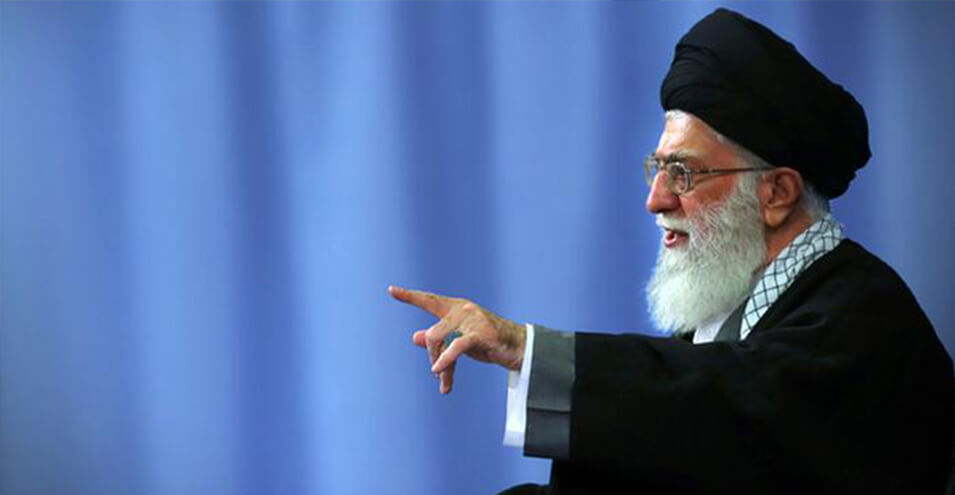
Ali Khamenei said the United States may have drawn up a “plan” for 2019. He also claimed that the US wants to trigger “internal war” in Iran “through sanctions and security-threatening activities.” Rouhani also said: we cannot say conditions are normal.
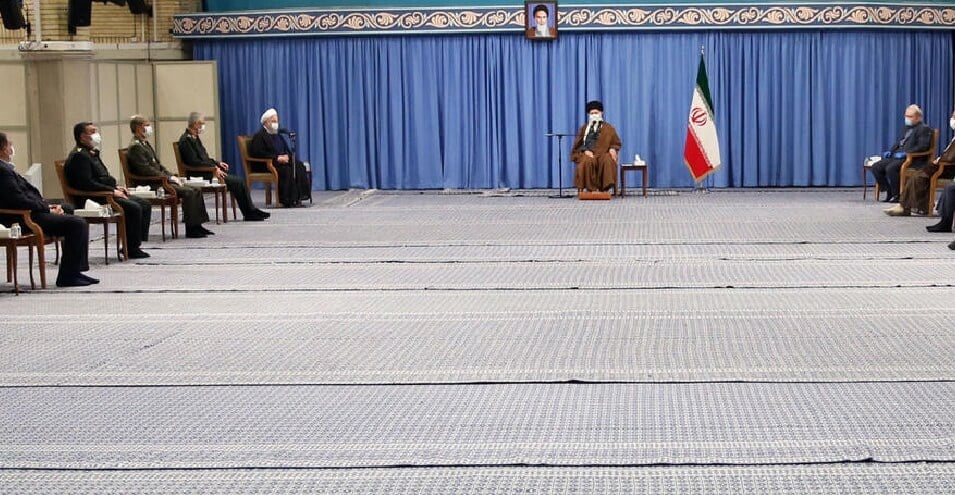
Ali Khamenei, the Supreme Leader of the Islamic Republic, on Wednesday, December 21 (December 12), referring to statements by American officials at the “beginning of the year” that the Islamic Republic “will have a hot summer and will not see its 40th anniversary,” said: “Despite their blindness, this summer was one of the best summers and the Iranian nation will celebrate the 40th anniversary of the Islamic Revolution on February 22 with great glory.”
The Supreme Leader, emphasizing that “officials must be careful,” added: “When the Americans said we will do this and that in 2018, it may be a deception; they may have caused chaos in 2018 and drawn up the plan for 2019. Everyone should be vigilant.”
“US Plan” for Internal War
Khamenei stressed: “The US plan is to create discord, internal war, and problems in our country through sanctions and security-threatening activities.”
Among the events of last summer that the Supreme Leader referred to as “the best summers” were protest demonstrations in mid-August in several Iranian cities, such as Tehran, Isfahan, Shiraz, Mashhad, and Karaj.
Human Rights Watch announced in mid-November last year in a report that the judiciary of the Islamic Republic had sentenced at least 24 people to six months to six years in prison in connection with the August protests on “vague” security charges. According to the human rights organization’s report, these individuals were among approximately 50 people who were arrested on August 1, 2018, during protests in Tehran against poor economic conditions.
Before the protests of mid-last summer, tens of thousands of Iranians took to the streets in December 2016 in nearly 100 cities across the country in protest movements. During these street protests, dozens were killed and thousands arrested. Several of those detained in these unrest subsequently died under suspicious circumstances in prison.
Rouhani: We Cannot Say Conditions Are Normal
Simultaneously with Khamenei’s warning about a possible “US plan” for 2019, Hassan Rouhani, Iran’s President, also said in today’s cabinet meeting: “We are now in a period of sanctions and naturally during sanctions people face difficulties.”
Rouhani added: “It is a kind of economic and psychological war and we cannot say conditions are normal. In these difficult circumstances, we all must help each other with unity. One of the most important issues is that people should not face difficulties in accessing essential goods and prices in the market should be balanced so that people are not treated unjustly.”
Nationwide protests in December and August in Iran began with economic demands and in protest against the severe economic situation. The slogans of the people, however, quickly took on a political color during the protests and targeted Iran’s high-ranking officials, such as the Supreme Leader and the entire structure of the system.
Meanwhile, not only has public discontent with the economic situation not diminished, but this discontent has also been on an upward trend. According to Iranian media reports, at least a 50 percent increase in food prices and an average inflation of 25 percent have made “hunger” and consequently “food poverty” a serious crisis.
According to calculations by the Research Center of Iran’s Parliament, the poverty line in the summer of the current year, compared to the same period last year, increased by about 25 percent. The same report evaluated the government’s policy in supporting families with incomes below three and a half million tomans as ineffective.
Following the US withdrawal from the JCPOA and the return of US sanctions against Iran and the subsequent unprecedented currency inflation and severe decline in people’s purchasing power, Iranian society witnessed widespread strikes by workers and low-income groups.
Truck drivers’ strikes, gatherings, and protest demonstrations by workers of Haft Tappeh Sugar Company and National Steel Industry Group of Ahvaz, raising demands by workers of Tehran United Bus Company and popular solidarity and student support for workers of Haft Tappeh and Ahvaz Steel, were manifestations of public discontent with the poor economic situation in recent days and months in Iran.
During these protests, many labor and civil activists were arrested, among whom Ali Nejati, a representative of workers of Haft Tappeh Sugar Company, and Sepideh Gholia, a journalist and civil activist, remain in prison.
Source: DW