Letter from 4 Female Political Prisoners Regarding Severe Security and Judicial Treatment of Civil Activists
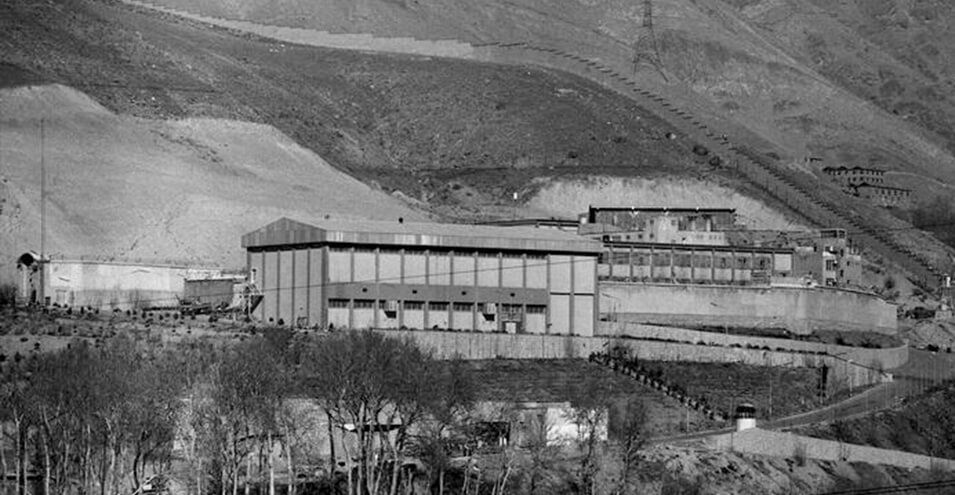
Four female political prisoners in a letter written from Evin say that the treatment by the judicial system and security forces toward labor activists and their supporters has been severe. They hope for justice to be established.
Four female political prisoners currently held in Evin Prison have written a letter dated September 2019 addressing the roots of labor protests in Iran, and subsequently criticized the severe treatment by security forces against social and labor activists, journalists, and the heavy sentences issued by the Islamic Republic’s judicial system against them. They have also compared the sentences issued for civil activists with those issued for defendants in economic corruption cases, calling the judicial sentences discriminatory.
At the beginning of the letter written in Evin, Sanaz Allahyari, Asal Mohammadi, Marziyeh Amiri, and Nada Naji referred to the pressures resulting from economic corruption in Iran and global sanctions that ultimately burden workers’ shoulders. They stated that labor protests followed an economic deadlock that workers faced. “We too, as part of society affected by these economic conditions, considered the workers’ rightful demands as our own demands and supported them.”
The four female political prisoners write that the treatment of security forces toward workers and their supporters, under the pretext that labor protests are against “national security,” has been more severe than before. They cited examples of prolonged detentions (for instance, the temporary detention of Sanaz Allahyari and Amirhossein Mohammadifar, which has lasted more than eight months), solitary confinement cells after interrogation, the transfer of Ensieh Rangriz and Sepideh Qolian to Qarchak Prison as further punishment or exile, the imposition of heavy two-billion-toman bail bonds that were not implemented, and ultimately the issuance of heavy sentences.
Continuing the letter, Allahyari, Mohammadi, Amiri, and Naji state that Branch 28 of the Revolutionary Court paid no attention to their defenses and their lawyers, and issued heavy sentences ranging from ten and a half to eighteen years in prison against them based on the recommendations of case officers, who are the same security officials.
At the end of the letter, the authors, referring to the reaction of Ebrahim Raisi, head of the judiciary, on September 17 to increasing criticism of the sentences totaling 110 years of imprisonment for several civil and labor activists, and his order to review the sentences issued in Branch 28 of the Revolutionary Court, expressed hope that the judiciary will hear the voices calling for justice.
Sanaz Allahyari, along with her husband Amirhossein Mohammadifar and Amir Amirgholi, were journalists from the student publication Gaam who were arrested last winter after the publication’s coverage of labor protest news.
Nada Naji is a civil activist and among those arrested on International Workers’ Day. Marziyeh Amiri is a journalist from the newspaper Shargh, and Asal Mohammadi was among those arrested in the Haft Tappeh protests.
Source: DW