Maryam Ebrahimvand, Film Director, Sentenced to 10 Years and 6 Months in Prison
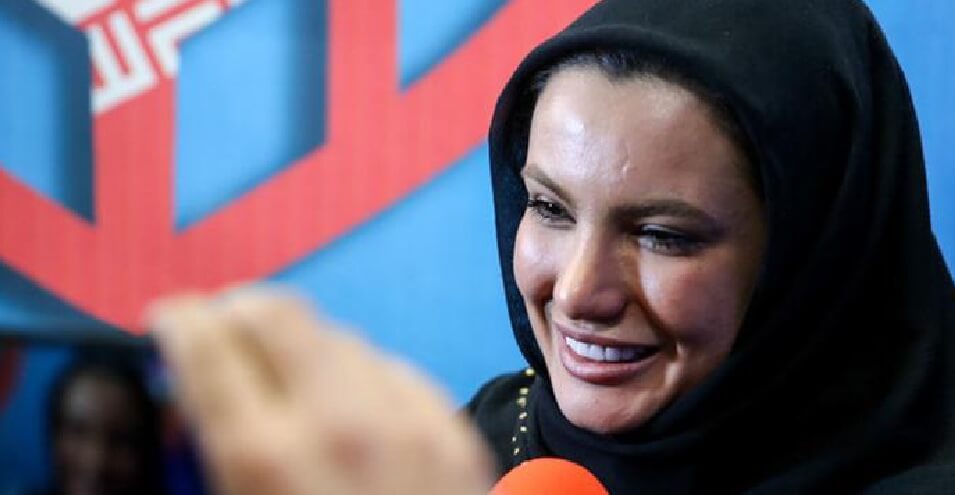
The Civil Service Court has sentenced Maryam Ebrahimvand, writer and film director, to 10 years and 6 months in prison. This director has been convicted for making films that were previously licensed by the Ministry of Culture and Islamic Guidance.
The 10-year and 6-month sentence for Maryam Ebrahimvand, writer, director, and film producer, has raised concerns in the country’s cultural circles at the height of the coronavirus pandemic.
Hrana, the news agency of a collective of human rights activists in Iran, reported in its latest statement about Maryam Ebrahimvand that the court has deemed the films made by this 29-year-old director “obscene.” Two films made by this director were previously licensed for production by the Ministry of Culture and Islamic Guidance of the Islamic Republic of Iran.
In its verdict, the court cited two films: “Girls’ Boarding House” (a film with a critical perspective on the issue of sexual assault against girls in Iran) and “September 24” (an account of the Mina incident in Saudi Arabia) by this film director.
Hrana reported that the Civil Service Court’s verdict was issued by Branch 1059, presided over by Judge Ali Ghanbari-nia, and was delivered to the director’s defense lawyer on Saturday, November 1, 2020.
Maryam Ebrahimvand was sentenced to seven years in prison for the charge of “making obscene films,” one year in prison for “insulting the president,” and two years in prison for “spreading lies against the Islamic Revolutionary Guards Corps with intent to disturb public opinion.”
On the other hand, Ms. Ebrahimvand was sentenced by Branch 26 of the Tehran Revolutionary Court to six months in prison on the charge of “propaganda against the regime,” which was consolidated in the final ruling of the Civil Service Court, bringing her total sentence to 10 years and 6 months in prison.
The court did not take into consideration the Ministry of Culture and Islamic Guidance’s license for this director’s films in issuing its verdict.
Regarding the charge of “insulting the president,” the court considered Ms. Ebrahimvand’s statements made during a meeting with Hassan Rouhani, the Iranian president, as “tarnishing the image of the president” and cited this as an example of the charge.
Concerning the charge of “spreading lies against the Islamic Revolutionary Guards Corps with intent to disturb public opinion,” the court cited a post published on Maryam Ebrahimvand’s personal Instagram page stating that the Guards’ behavior increases pressure on young people and encourages them to emigrate.
Hrana emphasized that if the verdict is upheld in the appeals stage, with the application of Article 134 of the Islamic Penal Code, the maximum penalty of seven years in prison for the charge of “making obscene films” would be applicable to this director.
Maryam Ebrahimvand was previously detained in Ward 2A of the Revolutionary Guards and is currently imprisoned in Qarchak Prison in Varamin.
Hrana reported in its statement that she went on a hunger strike in May 2020 in protest of “ambiguity,” “denial of the right to legal representation,” and “interference of security agencies in the legal proceedings.”
According to Hrana, this director attempted suicide on September 19 of this year by taking pills in the women’s ward of Evin Prison, and after being transferred to Laqman Hospital in Tehran, she was returned to Evin Prison one day later.
It is worth noting that previously, directors such as Mohammad Rasoulof and Jafar Panahi had been sentenced to prison, but Maryam Ebrahimvand is the first Iranian female director to receive such a lengthy prison sentence.
Source: DW