Mohsen Zanganeh Backtracks After Controversy Over Allocation of 110 Hectares of Land in Chabahar to Afghanistan
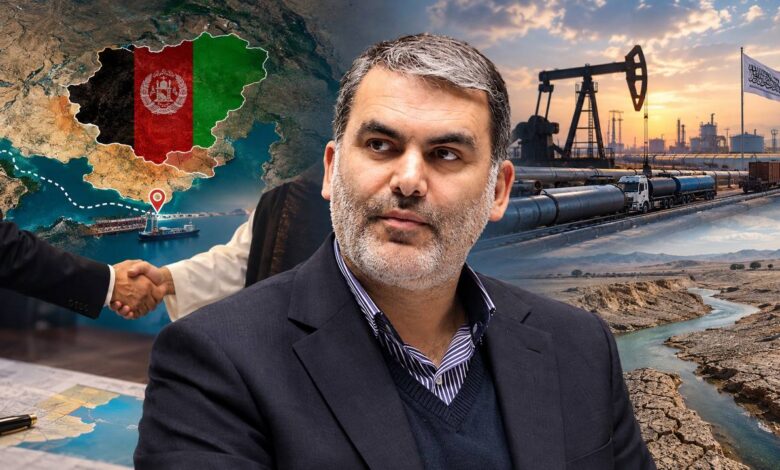
Mohsen Zanganeh, a representative in the Islamic Republic’s parliament, initially spoke of allocating over 110 hectares of Chabahar land to Afghanistan, then emphasized that the issue is not a transfer of Iranian sovereignty, but rather groundwork for investment. Meanwhile, oil and transit cooperation with the Taliban government has been raised; while the issue of Helmand water rights and the water crisis in Sistan and Baluchestan remain serious concerns for the people of the region.
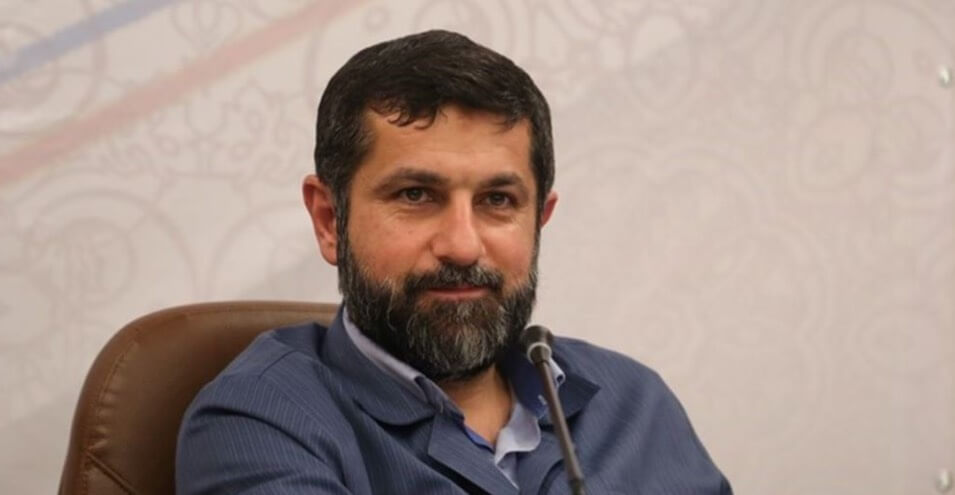
Mohsen Zanganeh, representative of Torbat Heydarieh and chairman of the parliament’s special committee on Article 44, following widespread coverage of his remarks about allocating land in Chabahar port to Afghanistan, criticized what he called “malice and enmity” by certain media outlets in a message on the social network X, while emphasizing the continuation of economic cooperation between the Islamic Republic and the Taliban government.
Zanganeh had previously stated that following discussions with Taliban officials, a preliminary agreement was reached to allocate approximately 10 hectares of land within the port area and over 100 hectares in Chabahar’s special economic zone. In explaining this plan, he used a phrase that sparked significant reactions: that Afghanistan could have “territory belonging to itself” in Chabahar’s free zone.
Following mounting criticism, Zanganeh backtracked, saying his intention was not to cede Iranian soil or sovereignty, but rather to provide groundwork for Afghan investment and the development of commercial infrastructure, including transit facilities. According to published reports, the plan remains in the discussion and pursuit phase, and published evidence does not confirm permanent transfer of ownership or sovereignty of Iranian lands.
Nevertheless, the shift in tone and subsequent clarifications by this parliamentary representative have raised questions about how the agreement is structured, its legal boundaries, the duration of land use, and the transparency level of negotiations with the Taliban; questions that require clear and documented answers for the public.
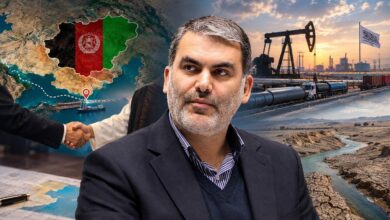
Zanganeh also announced discussions about transferring Iranian oil through Afghanistan, the possibility of building large refineries in the western part of that country, constructing approximately 700 kilometers of railway lines, and establishing joint industrial parks. He presented these cooperations as an opportunity to expand trade and develop economic relations between the two sides.
However, alongside these plans, the issue of Iran’s water rights from the Helmand River remains of vital importance. According to the 1972 Iran-Afghanistan treaty, during normal and above-normal water years, Iran’s annual water share is set at 820 million cubic meters. Iranian officials have repeatedly accused the Taliban in recent years of not fully implementing water obligations; an issue intertwined with concerns about drought and water scarcity in Sistan and Baluchestan.
Therefore, announcing extensive economic plans with the Taliban without clear explanation about pursuing Iran’s water rights can raise serious questions about the priorities of Islamic Republic negotiators: alongside commercial and transit agreements, has a specific and measurable mechanism been considered to defend the water rights of the Iranian people?
Allocating land for foreign investment does not necessarily mean ceding soil or transferring sovereignty; such plans should be evaluated based on transparent contracts, clear laws, and guarantees to protect public rights. However, when an official initially speaks of creating territory belonging to another country and then changes their explanation, publishing agreement details and clarifying the legal status of the lands becomes even more important.
Concerns about how national lands and resources are managed, especially in strategic areas like Chabahar, become more serious when people face water crises, livelihood problems, and infrastructure shortages. The government and parliament must clarify what measurable benefits these cooperations bring to the Iranian people, what obligations they create for the Afghan side, and how long-term national interests will be protected.
The core issue is not merely announcing the allocation of 110 hectares of land; the issue is transparency in decision-making regarding public assets and accountability regarding the rights of the Iranian people. Until the legal and economic details of these plans are published, the public has the right to ask questions about the conditions of the agreement, the benefits derived from it, and how Iran’s Helmand water rights will be pursued.