New Wave of Security Arrests in Iran; Journalist and Kurdish Citizen Sent to Prison
Amid continued security pressures in Iran, reports indicate the arrest of a critical journalist and the transfer of a Kurdish citizen to Urmia Central Prison. Human rights sources say these individuals face charges related to national security and media activities or documentation of recent war events; a matter that has once again heightened concerns about the intensification of restrictions against civil and media activists in Iran.
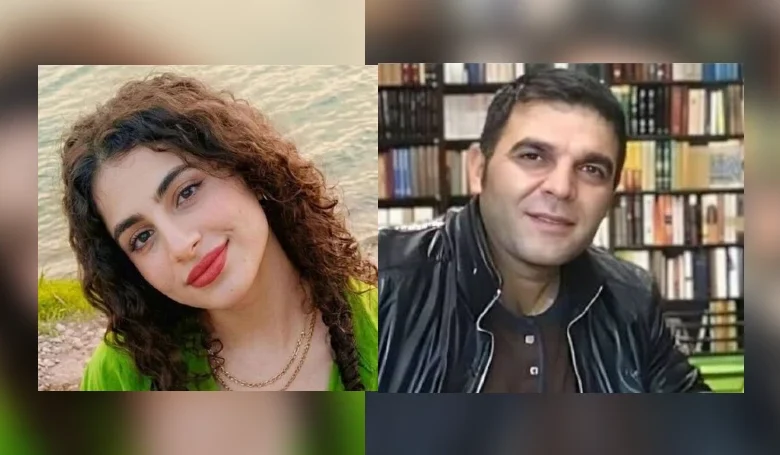
In continuation of security crackdowns on civil and media activists in Iran, reports published by human rights organizations report the arrest of “Omid Faraqat,” a journalist and media activist residing in Karaj, and the transfer of “Kaziwa Parvizniya,” a Kurdish citizen from Mahabad, to Urmia Central Prison. These two cases have emerged at a time when human rights organizations are reporting increased pressure on critics and citizens following recent regional developments.
According to reports, Omid Faraqat was arrested on Monday after he went to the security police following a telephone summons, and was subsequently transferred to prison under a temporary detention order. The Islamic Republic’s judiciary has pursued him on charges of “disturbing public opinion” and “actions against national security.” According to human rights sources, these charges are related to his media activities and critical writings.
Reports also show that this is not Faraqat’s first legal case. He faced judicial rulings last year due to his media activities and was previously acquitted of some charges in another case, but has continued to face security and judicial pressures.
In another case, Kaziwa Parvizniya, a Kurdish citizen from Mahabad, was transferred to the women’s ward of Urmia Central Prison after the conclusion of security interrogations and remains in an uncertain situation. According to human rights reports, security forces initially went to his family residence without presenting a court order and, in his absence, arrested his nephew Negar Parvizniya. The family was subsequently informed that Negar’s release was conditional upon Kaziwa turning himself in; a matter that ultimately led him to report to the intelligence office and be arrested.
According to informed sources, security officials interrogated Kaziwa Parvizniya for filming events related to the recent war between the United States, Israel, and Iran. After the conclusion of interrogations, a security file was opened against him and he was transferred to Urmia Central Prison, while Negar Parvizniya was released following Kaziwa’s arrest.
The increase in such arrests is occurring at a time when international bodies and human rights organizations have repeatedly warned in recent months about the restriction of freedom of expression, increased pressure on journalists, civil activists, and critical citizens in Iran.
For many Christian communities and human rights organizations, such cases serve as a reminder of the importance of supporting freedom of expression, human dignity, and adherence to principles of fair justice; values that have always been emphasized by international bodies and human rights defenders.