Iran News

Oil and Petrochemical Workers’ Strikes Expand Despite Firing of 700 Employees
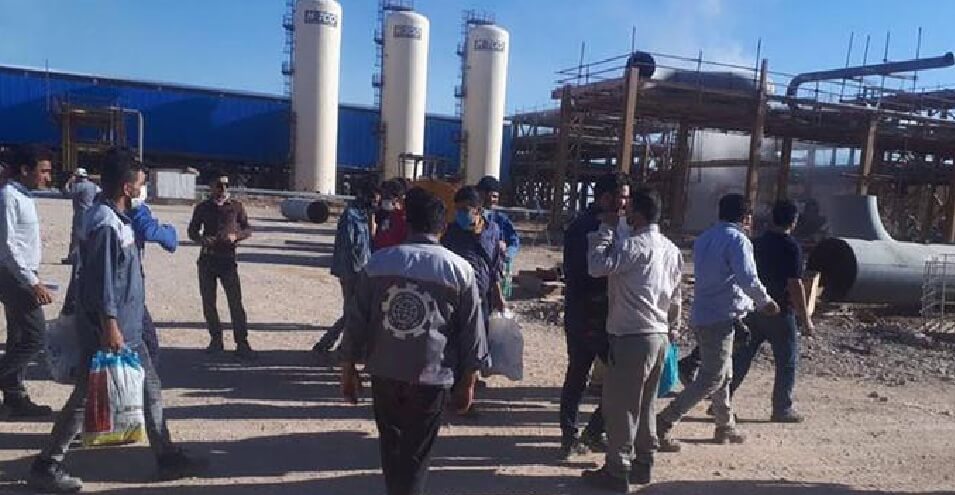
Strikes by workers in Iran’s oil and petrochemical industries have expanded across various cities, and despite the firing of 700 workers from Tehran Refinery, the movement has grown even wider. Many workers from various industrial centers have joined the “1400 Campaign.”

Many workers from refineries and petrochemical industries joined the striking workers on the second day of Khordad, who have been protesting and striking over the past two days. The expansion of their movement across various Iranian cities starting Tuesday became one of the hottest news items on social networks.

However, alongside these protests, the suppression of workers has intensified. According to labor activists, on the previous day, with the strike of “overhaul” workers at Tehran Refinery, 700 of them were fired for this protest action. News reports and videos published on social networks show these workers saying they protested for their wages but were instead handed “settlement slips.”

Expansion of Protest Movements

The 1400 Campaign by workers is for demands that have been made by them for a long time without being heard: wage increases, vacation allowances, and increased holidays to 10 days per month, better health and safety conditions, which especially with the spread of the coronavirus pandemic has put workers’ lives at greater risk.

Workers from many centers, including workers at Mahshahr Port of National Iranian South Oil Company, Asaluyeh workers, Damavand Petrochemical Project workers, Keyhan Pars workers in Isfahan, contract workers at Abadan Refinery, and Adis Refinery workers have joined this campaign.

In one of the videos, workers at Phase 13 power plant in Kangan can be seen leaving their workplace.

Another video shows that workers at Isfahan Refinery have joined the strike.

The “Organizing Council of Contract Oil Workers’ Protests” is coordinating these protests. Among the important demands of workers is that contractors be removed from all oil companies and the law of equal work – equal pay be enforced across all refineries, petrochemicals, and oil and gas industries. Another demand is that wages be increased to more than 12 million tomans and workplace safety be improved.

The “Organizing Council of Contract Oil Workers’ Protests” has announced that if officials do not respond to workers’ demands, the strike will continue and they will link their movement to the protest of formal oil company employees scheduled to begin simultaneously on the ninth day of Tir across various centers.

On Wednesday, the fifth day of Khordad, workers of the National Iranian Oil Company held protest rallies in Abadan, Ahvaz, Mahshahr, and Asaluyeh. These rallies were held following a call made by formal oil company workers. Formal employees of the National Oil Company were demanding “precise and fair implementation of the 1400 wage increase law and implementation of Article 10 of the Oil Ministry’s Authority Law.”

Amendment of the income tax law for employees working in difficult conditions and full payment of retirement bonuses based on employees’ years of service without observing the 30-year bonus ceiling are among other demands of these workers.

On Wednesday, several labor organizations, including the Haft Tappeh Sugar Company Workers’ Syndicate and the United Tehran Company Workers’ and Drivers’ Syndicate, also announced their solidarity with oil workers in statements.

Last summer, workers of Heavy Oil Qeshm Company stopped work in response to non-payment of their claims and gathered in front of the company building. At the same time, labor strikes at Abadan, Parsian, Lamerd Petrochemical, South Pars refineries and Azadgan North oil field began for payment of wages and delayed benefits and immediate implementation of job classification scheme.


Source: DW

Related Articles

Back to top button