Protesting Workers Become Debtors! Raisi: They Are Pursuing Other Objectives
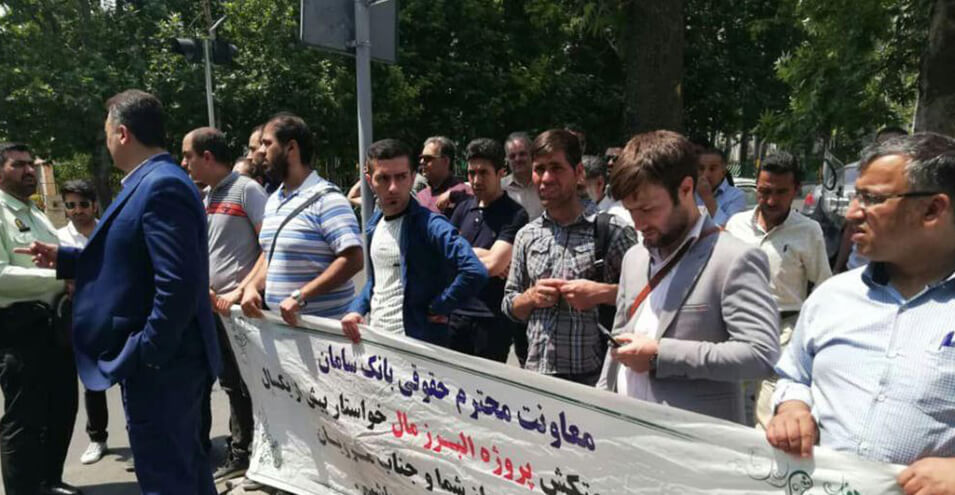
As economic and livelihood problems in Iran have intensified and protests by various segments of society, including workers seeking to receive their outstanding wages and compensation, have increased—and even Islamic Republic officials have acknowledged the spread of public discontent—Ibrahim Raisi, head of Iran’s judiciary, claims that some are “pursuing other objectives under the guise of labor issues.”
According to reports from Iranian media, Raisi stated that “such actions should not be blamed on workers” and that workers themselves “should stand against those who are corrupting the atmosphere of labor protests.”
In recent months, following Ibrahim Raisi’s appointment as head of the judiciary, some political figures and groups in Iran, including reformists, had welcomed his appointment.
The remarks of Iran’s judiciary chief come as during the International Workers’ Day ceremony in Iran in Ordibehesht (April-May) of this year, dozens of workers and even people who had attended the event to show support or report on it were arrested.
Recently, Marziyeh Amiri, a journalist who was arrested during the International Workers’ Day ceremony, was sentenced by the judiciary to “148 lashes” and “ten and a half years in prison.”
Nasrin Khajeh Javadi, a member of the Free Union of Iranian Workers, was among those arrested during the International Workers’ Day ceremony and was recently sentenced to seven years in prison and 74 lashes.
Protesting workers from Haft Tappeh sugar cane company are among other groups who, following their protests last year, have faced arrests and various judicial sentences.
Esmail Bakhshi, a representative of Haft Tappeh workers, and Sepideh Golian, a civil activist, are among those currently detained in connection with these protests.
Today, Monday, September 25th (4th of Shahrivar), the ILNA news agency reported that nine workers from Haft Tappeh sugar cane company have been sentenced to eight months imprisonment and 30 lashes.
The security and judicial treatment of the Islamic Republic regime toward worker protests has prompted human rights organizations to repeatedly express concern about the suppression of protesters and workers in Iran.
The United States has also repeatedly condemned Iran’s security treatment of workers. The U.S. State Department recently stated in a message that with the expense the Islamic Republic has incurred in Syria, it could have paid workers’ wages in Iran.
Source: Voice of America