Rapid Price Increases; 50% Rise in Bread Prices
Election candidates all speak about people’s livelihood and welfare, but bread, oil, and sugar have quietly become more expensive amid the noise of slogans. Alarm bells have also sounded about rice shortages. The Ministry of Industry says approved rates will be announced later.
Bread, liquid and solid oil, sugar, and several other basic items on people’s tables have become more expensive in an undeclared and surprising manner; with a steep increase of over 30%.
The price of liquid oil has increased by 35%, solid oil by 30%, sugar by 30%, and bread by 50%; and this without prior notification or explanation.
While bread prices have been rising for some time and government officials have yet to address the issue, the Consumer and Producer Protection Organization announced on Sunday, Ordibehesht 26, an increase in liquid and solid oil prices.
None of the government officials or official agencies have said anything about the oil price increases or their reasons, but the ILNA news agency quoted an “informed source” in the Ministry of Industry as saying: “More than 95% of crude oil is imported, and the Consumer and Producer Protection Organization, since it couldn’t pressure production units much, implemented this price increase.”
The issue has been attributed to a 140% increase in global oil prices during the coronavirus outbreak, increased demand, reduced warehouse reserves, and market uncertainty.
From Scarcity to Price Hikes
Bahshahr Industrial Group, in explaining oil prices, sent a letter to the “Securities Publication Supervision Department of the Stock Exchange and Securities Organization” stating that prices were determined based on imports at a subsidized exchange rate of 4,200 tomans, and any change in the preferential exchange rate for essential goods would affect the product’s selling price.
Soybean and palm crude oil has risen from 5,000 tomans to 7,500 tomans, and sunflower crude oil from 6,000 tomans to 9,000 tomans. Accordingly, crude and refined oil in various packaging has become 30 to 35% more expensive.
This is while oil had become scarce in the final days of the year and New Year’s Eve, with people standing in lines to purchase their necessities.
The Ministry of Industry source also confirmed the sugar price increase, saying that today and tomorrow, one-kilogram packages of sugar will be sold for 15,000 tomans. Until now, each kilogram of sugar in retail shops was 8,700 tomans.
The ILNA news agency quoted him as saying: “The Ministry of Industry, by providing sugar, would not allow a price increase, but now reserves have decreased and we cannot distribute at low prices, therefore it has been decided to increase sugar prices.”
Rice Market on the Brink of Shortage
The secretary of the Rice Importers Association, expressing concern about rice supply problems amid the election noise, said that imported rice reserves will only last for three more months.
Masih Keshavarzi announced that domestic production has also decreased due to existing drought. He estimated the country’s current reserves at 100 to 150 thousand tons and warned about their depletion in the next two to three months.
Bread; Floating Prices
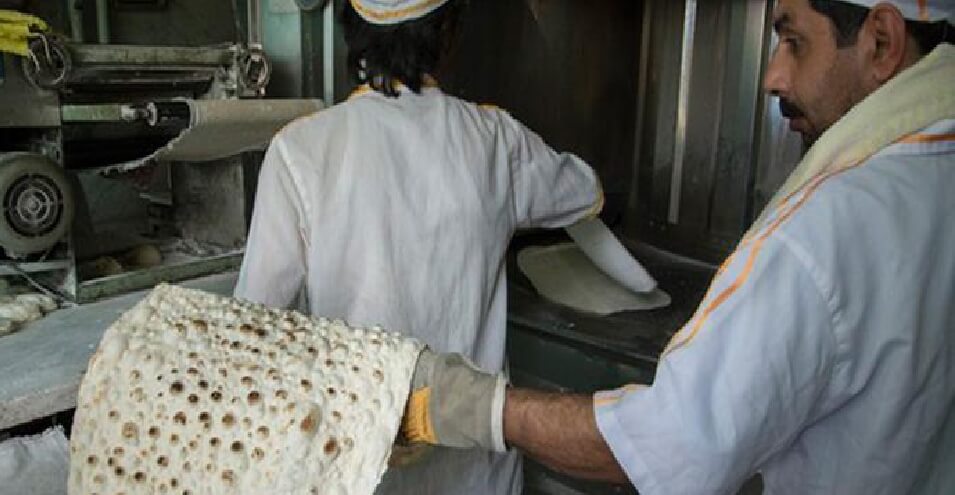
For the past two weeks, bread has become more expensive in various provinces, but official institutions denied the issue until a day ago. On Sunday, Ordibehesht 26, the head of the Karaj Bakers Union said in the first official statement: “It has been approved that bread prices of all types will increase by around 50%.”
However, at the same time, the deputy coordinator of economic affairs of Alborz Province’s governorate called any bread price increase in the province illegal and threatened to deal with violators.
While citizens on social media report with photos and evidence of bread price jumps in Tehran, no official announcement has yet been made on this matter and approved rates are not clear.
A Twitter user wrote: “While everyone was busy with worthless election news, people’s backs were broken, bread became expensive. Of course, many food items are also quietly increasing in price in steps like last year.”
The head of the Industry Organization in Tehran Province justified the issue this way: “Due to sensitivities regarding Tehran Province and its centrality, announcing new bread prices has always been coordinated with government officials.”
The deputy minister of industry also said: “The new bread price has been reviewed and its examination process has gone through the governorate and the flour and bread council, but the price increase is contingent on coordination with the governorate and the officials of the Interior Ministry and the Industry Ministry.”
Ishaq Jahangiri, the first vice president of Hassan Rouhani at the time of registration to participate in the presidential election, spoke with tearful eyes about people’s poverty and discrimination. A citizen, considering this matter, wrote on Twitter: “It’s very interesting that all 2021 election candidates talk about cheap prices and people’s livelihood, and Jahangiri speaks of some people’s welfare, while on the other side oil and bread are becoming 50% more expensive. Why?”
Bread is the staple food of the Iranian people and an inseparable part of their tables. The government has so far tried in every way to keep bread prices fixed because its increase could, like rising gasoline prices, lead to protests and overflow the cup of people’s patience.
The government’s effort to stabilize bread prices has divided bakeries into two models: subsidized and free-market. Subsidized breads have lower quality and have lost their size. Free-market bakeries each have set their own prices. Neglect of this sector’s problems has caused many bakeries to close their shutters.
Source: DW