Reactions in Iran to Russia’s Attack on Ukraine; Ali Motahari: State Media Reports Like One of Russia’s Colonies
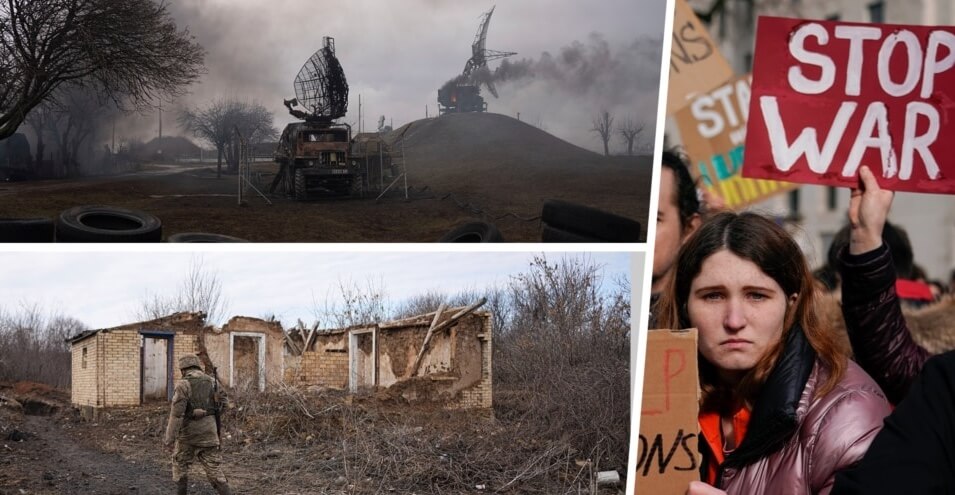
Russia’s attack on Ukraine has sparked widespread reactions among Iranian social media users. However, many users shared their dissatisfaction by criticizing the stance of Islamic Republic officials and state media toward these developments.
Ali Motahari, a former member of the Islamic Consultative Assembly, was among those who criticized Iran’s official position. Recalling “Russia’s separation of Georgia, Azerbaijan, and Armenia from Iran and the Soviet Union’s support for Saddam in his attack on Iran,” Motahari called for preserving Iran’s independence in its positions.
Ali Motahari tweeted that Iran should “condemn Russia’s aggression against Ukraine” to demonstrate its independence. Motahari also criticized the state media’s position, writing that “currently, state radio and television report news like one of Russia’s colonies.”
Amir Ebtehaj, a journalist, also criticized the way the Islamic Republic’s state media covered the issue and the rhetoric used by the state radio.
Tasnim News Agency, a media outlet close to the Revolutionary Guards, released videos of Russian fighter squadrons with the headline “Heavy Presence of Russian Fighters and Bombers in Ukrainian Skies,” which led to the issuance of a denial by the Russian Embassy in Tehran. The Russian Embassy tweeted, attaching screenshots from these videos, describing the news as “fake” and “anti-Russian propaganda.”
Maryam Shokrani, a journalist, found the Russian Embassy’s reaction to this Tasnim news implicitly thought-provoking and tweeted: “When flattery backfires!”
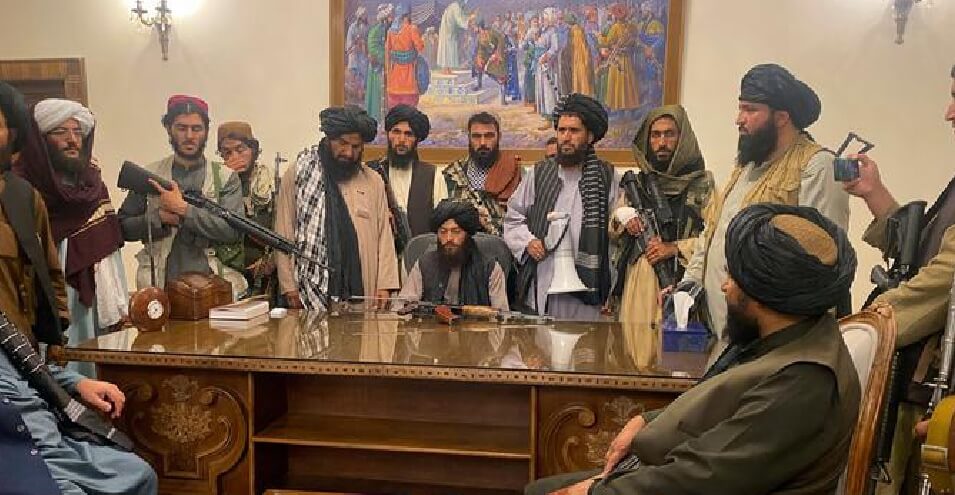
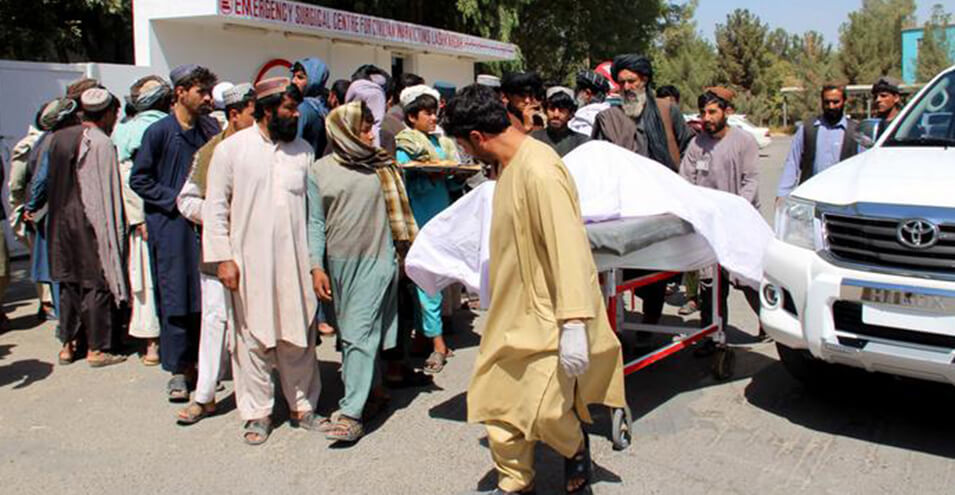
Shima Babaei, a civil activist, while criticizing the crooked policies of Western countries, stated that “the people of Afghanistan and Ukraine are bearing the brunt of the West’s appeasement policy with terrorists and political bullies,” and tweeted that “this conservative policy has nothing to offer the helpless people but war, massacre, and displacement, and sooner or later it will catch up with the West.”