Revolution in Finland’s Education System; The World’s Most Successful Educational System
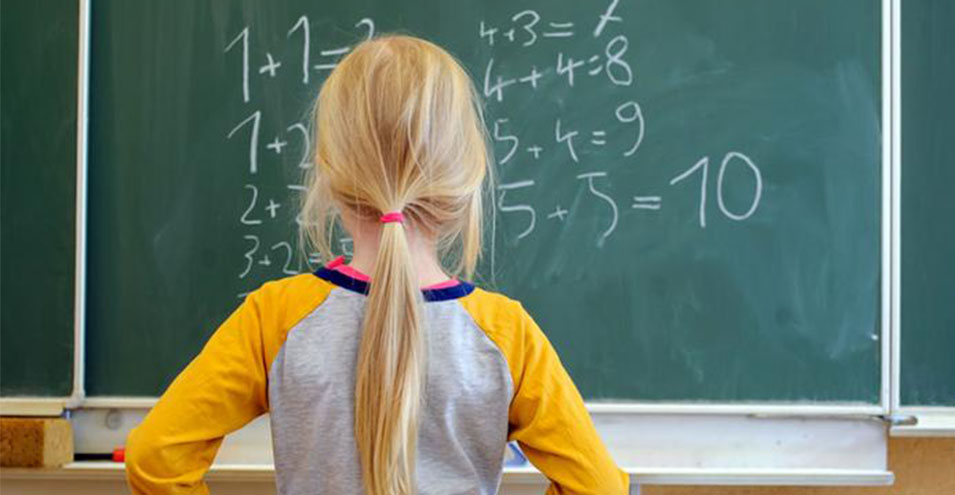
Finland has one of the most successful educational systems in the world. However, education professionals in Finland want to change the educational system. Subject-based and interdisciplinary courses are set to replace traditional subjects.
Wherever the world’s most successful and advanced educational systems have been discussed, Finland’s name has always shone brightly. The success of Finnish students among OECD member countries and in international exams such as PISA (Programme for International Student Assessment) demonstrates the effectiveness of the educational system in which Finnish children and adolescents have been nurtured.
Since 2000, Finland has captivated the attention of all education policymakers in Europe with its brilliance in the international PISA exam. This country’s name always appears among the top 10 countries in global comparisons of educational systems. For years, Finland’s global reputation has compelled all countries in the world to analyze and investigate to find the secret of this small country’s success in education.
The absence of standardized tests for all children, school autonomy in educational programs, the lack of a grading system at primary levels, and finally the emphasis on cooperation and teamwork instead of competition are reasons commonly found in analyses of Finland’s educational system success.
Despite all these successes, Marjo Kyllonen, head of Finland’s education organization, considers the school educational system outdated and believes that Finnish teaching methods date back to the beginning of the 19th century. However, the head of Finland’s education says: “The needs [today] have changed and we need an educational system suited to the 21st century.”
Education professionals and decision-makers in Finland’s educational system have not been content with these successes and have made revolutionary changes. In the future, schools in this country will no longer have classes named Physics or classes exclusively for Chemistry, the boundaries between academic disciplines will become fluid, and students will play a greater role in determining the subjects and skills they want to learn. The reform of Finland’s educational system is set to be implemented from August 2017.
In the upcoming reforms, traditional and conventional subjects are set to be abandoned in Finland’s educational system, and subjects like Chemistry, Mathematics, Geography, or History will no longer be taught. By stopping the teaching of traditional disciplines, subject-based and interdisciplinary courses will replace them.
For example, if students choose the course “Work or Management in a Café,” they will learn a variety of knowledge and skills. In this course, subjects such as English, management and accounting, and communication skills are taught.
One of the teachers at Helsinki schools, in an interview with the Spiegel website and emphasizing that life is not just mathematics and physics, says that the biggest change will be that “these subjects are no longer the focus of attention,” but rather “a set of skills” that students need to learn are important.
The new educational system is presented to students from the age of 16. The main goal of this change is for students themselves to choose a subject or phenomenon in which they want to receive instruction, taking into account their plans and objectives for the future as well as their abilities.
The traditional teacher-student relationship will also change. Students will no longer spend long hours at their desks worrying and waiting for the moment when the teacher calls on them. Instead of individual work, students are encouraged toward group work in small groups for discussion and exchange of ideas to find solutions.
The new educational reforms require close cooperation between teachers in various disciplines. Finland has now begun training teachers to acquire interdisciplinary skills.
Source: DW