Reza Pahlavi’s Voice Following Deadly Sydney Attack and Warning Against Appeasement of Extremism
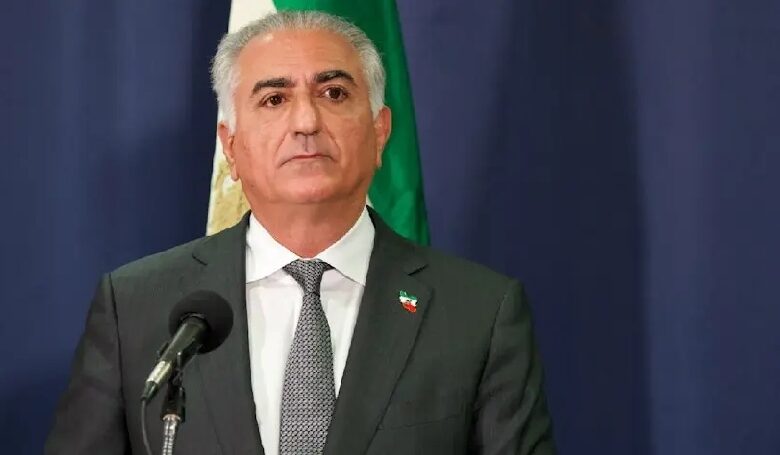
Reza Pahlavi, warning against appeasement of extremism, characterized the deadly Sydney attack as a symbol of the spread of antisemitic terrorism and emphasized the solidarity of the Iranian people with the victims.
Following an armed attack on a Jewish religious ceremony in Sydney, Australia, which resulted in dozens killed and wounded, Prince Reza Pahlavi issued a message on social media platform X, expressing condolences to the families of victims and the people of Australia, describing the incident as another example of the spread of ideological violence in the world.
In his message, emphasizing the targeted nature of this attack, he considered it not a random incident but part of a concerning process that targets religious communities, particularly Jews, in Western countries.
Prince Reza Pahlavi wrote in this message: “Antisemitic terrorism claimed more lives in Sydney today. Hanukkah ceremony participants were targeted by bullets solely because of their Jewish faith. This is not the first instance of such targeted killings, and as long as extremist Islamist forces are appeased, it will not be the last.”
This position came as many international media outlets described the Sydney attack not only as a security disaster but as a sign of increasing religious hate-based violence in free societies. Western analysts have warned in recent days that ideological extremism, whether cloaked in religious or political garb, is crossing borders and constitutes a direct threat to peaceful coexistence of religions.
In this context, Reza Pahlavi’s remarks were considered beyond a condolence message and were evaluated by some media outlets and political activists as a political-moral warning about accommodationist policies toward extremist groups and discourses.
In another section of his message, Reza Pahlavi, referring to the historical experience of the Iranian people, attempted to draw a connection between the suffering of Sydney victims and decades of ideological violence in Iran. He wrote: “The Iranian people over the past 46 years have been all too familiar with this hatred and violence and express solidarity with the victims of this attack.”
This part of the message resonated widely among Persian-speaking users and human rights activists. Many viewed these remarks as reminiscent of the experience of Christians, Jews, Bahá’ís, and other religious minorities in Iran who have faced pressure, repression, and structural violence for decades.
Some observers believe Reza Pahlavi’s message is a deliberate effort to highlight a shared reality: that religious hatred, regardless of geography, claims similar victims, and global indifference to it will pave the way for repetition of similar tragedies.
In the media sphere, this position, alongside the responses of Christian and Jewish religious leaders, has been presented as part of a common discourse against religious violence; a discourse that emphasizes the defense of human life, freedom of faith, and governments’ responsibility to protect religious communities.
Reza Pahlavi’s message about the deadly Sydney attack was not merely a political condolence; rather, it was an explicit warning about the consequences of appeasement of religious extremism and a reminder of the bitter experience that the Iranian people have lived through for decades. The attack on the Hanukkah celebration in Australia once again poses this question to the world: “Are free societies prepared to stand against organized hatred and ideological violence before it is too late?”