Russian Sputnik Vaccine Receives Authorization in Iran
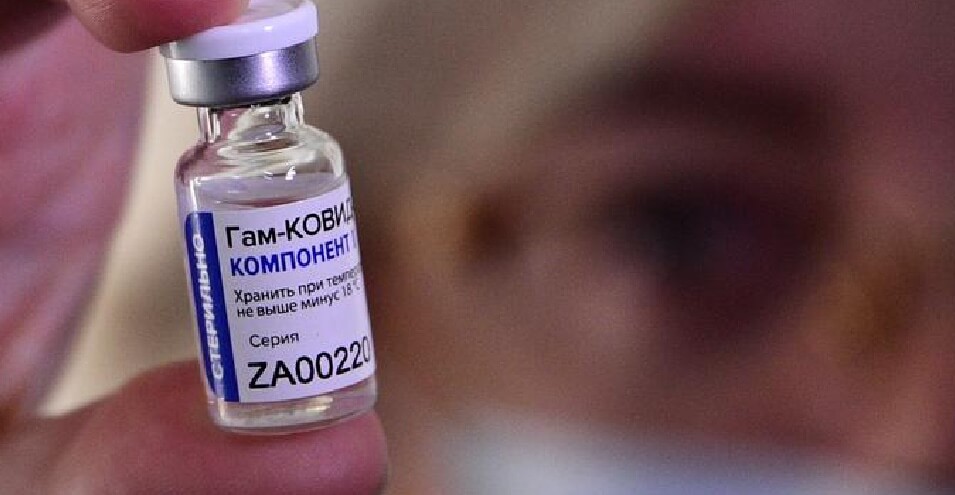
Emergency authorization for the use of the Sputnik vaccine has been issued while this vaccine is awaiting international approval, and the use of some approved American and German vaccines is forbidden by order of Ali Khamenei.
The Legal Commission for Determination (responsible for drug manufacturing qualifications and entry of drugs and biological materials) of Iran’s Food and Drug Organization has issued emergency authorization for the emergency use of Sputnik V vaccine. This vaccine is a product of Russia’s Gamaleya company and is still awaiting approval from the World Health Organization.
Kianush Jahanpour, head of the Public Relations and Information Center of the Ministry of Health, said on Thursday, February 9: “In the twenty-fourth meeting of the Legal Commission for Determination, emergency authorization was issued for the use of Sputnik V vaccine in frozen liquid form and single-dose and 5-dose vials in Iran.”
Authorization for the use of the Russian vaccine in Iran has been issued while the use of vaccines made in America and Britain, which have been approved by the official bodies of these countries and the European Union, is forbidden by order of Ayatollah Khamenei. The American/German Pfizer BioNTech vaccine, which is currently being used in a number of countries around the world and is subject to Ayatollah Khamenei’s prohibition order, also has approval from the World Health Organization.
Member of Corona Coronavirus Task Force Committee: Bad luck for Iranian people
Minoo Mohraz, a member of the scientific committee of the Coronavirus Combat Task Force, in an interview with Jahan Sanat newspaper on Thursday, described the preparation and import of Russia’s coronavirus vaccine by the government as “bad luck for the Iranian people” and said “I am currently not satisfied with this choice in any way.”
He added that “as one of the members of the medical staff, I will not inject this vaccine because no information has been published about it so far.”
Mohraz considered a coronavirus vaccine appropriate if it meets international standards and considered a vaccine in this category one that “is approved by one of the international sources, one of which is the World Health Organization and the other is the European Union’s Food and Drug Organization, whereas this vaccine has no approval from any country.”
Review of other vaccines
Jahanpour announced in the continuation of his Thursday interview that the process of reviewing other vaccines from sources such as India, China, Russia and others continues.
A day earlier, Mahmoud Vaezi, chief of staff to Hassan Rouhani, said on Wednesday while referring to negotiations with “Russians, Chinese and Indians” that “fortunately, the pace of negotiations with the Russians has increased significantly. They sent us all the documents they had and the scientific team of the Ministry of Health reviewed all of them and conducted the questions they had there and over the past two days it was approved and the approval was sent to the Russians last night.”
He further stated that the groundwork for a contract with Russia had been prepared and expressed hope that “the first shipment of Russian vaccine will arrive in Tehran before February 22.”
Saeid Namaki, the Minister of Health, also announced on Wednesday cooperation with “four European, Russian, Chinese and Indian sources” in the preparation and production of the vaccine, but did not say which European company it was.
He also called the cooperation with Cuba in the field of clinical trials of the vaccine produced by that country beneficial and announced the process of preparing two Iranian vaccines in the “phase of implementation or entry into clinical trials.”
Iran’s lag in vaccination
In Iran, while discussions are underway about how to provide vaccines, vaccination of people has begun in many countries. Officials of the Islamic Republic mainly attribute the matter to economic and financial problems arising from sanctions, but critics, beyond tension-raising policies in the international arena and the resulting sanctions, also cite management that was evident in controlling the coronavirus crisis as well as restrictions and constraints announced by Ayatollah Khamenei as among the main factors in Iran’s lag in the vaccination process.
Source: DW