Security Forces Raid Homes of Detained Lawyers, Conduct Searches and Confiscate Personal Items and Preliminary Case-Building Measures
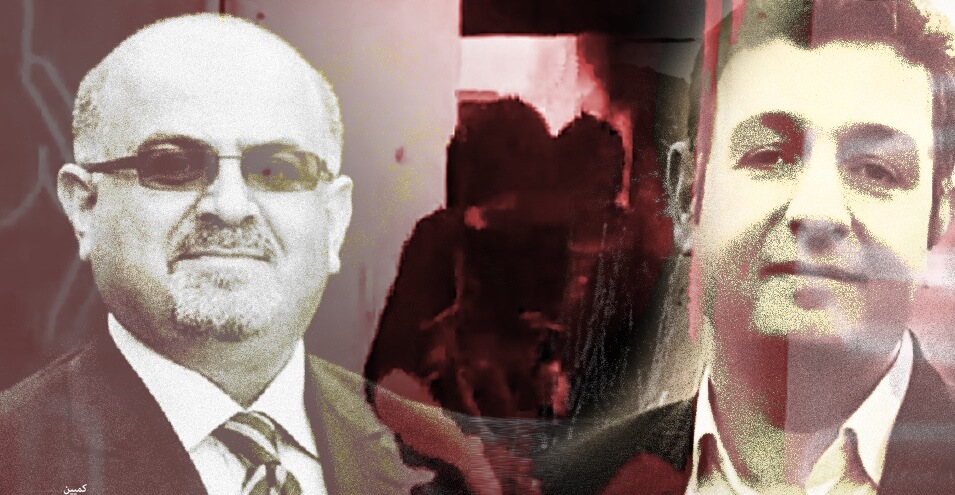
Ten days after the mass arrest of a group of lawyers and civil activists and the continued detention of three lawyers and two civil activists, security pressure on the families of some of these civil activists has taken on new dimensions; on Wednesday, the 3rd of Shahrivar, news emerged of security forces raiding the homes of two detained lawyers. According to Saeid Khalili, a lawyer, security officers raided the home of Mohammad Reza Faghihi, one of the detained lawyers, and conducted a search of the residence and confiscated electrical and communications equipment.
Saeid Dehghan, a human rights lawyer, also tweeted that eleven security officers raided the paternal home of Arash Keykhosravi (another detained lawyer) and even took security cameras with them to leave no trace of the raid.
The escalation of unlawful conduct and the continued detention of lawyers and civil activists in prison have increased concerns about judicial treatment of these individuals. The unlawful actions of security authorities in raiding the homes of some of these activists and searching residences and confiscating personal items are clear signs of efforts by judicial and security authorities to fabricate cases against lawyers and civil activists in custody. Individuals who were arrested solely because they intended to use their right to legal recourse under Article 34 of the Constitution to file a complaint against officials responsible for combating coronavirus due to “negligence in duty that resulted in the deaths of thousands of Iranians.”
Clear Examples of Unlawful Treatment in the Case of Lawyers and Civil Activists
The continued imposition of security pressure on civil activists has increasingly revealed the unlawful nature of the treatment of these lawyers and civil activists in detention; Arash Keykhosravi and Mohammad Reza Faghihi, along with Mostafa Neili, Mahdi Mahmoudi’an, and Maryam Afrafrazi, remain in detention. The arrest of these activists solely because they wanted to exercise their right to legal recourse and file a complaint against officials responsible for combating coronavirus is the first clear indication of unlawful treatment of these activists.
Following the raid by security officers on the residences of two detained lawyers, Arash Keykhosravi and Mohammad Reza Faghihi, a second example of unlawful security and judicial treatment in this case becomes apparent. The sudden attack by security officers on the residences of these individuals is a clear example of unlawful conduct by security and judicial authorities.
Saeid Dehghan wrote in his tweet that after the attack on Arash Keykhosravi’s home, the officers “also took the security cameras so there would be no evidence of the raid.”
The issue of confiscating security cameras is the third clear example of unlawful and irregular conduct in the treatment of lawyers and civil activists. The act of confiscating security cameras during the raid on Arash Keykhosravi’s home is in fact an “erasure” of unlawful action for which security and judicial authorities have never been held accountable for such conduct. Nevertheless, it is still unclear which institution exactly these officers were from when they raided their residences.
One must examine the series of conduct by security and judicial authorities, which is a clear example of unlawful actions, in these three indicators: unlawful arrest without providing any reason, unlawful raids on private residences, searching homes and confiscating personal items of detained lawyers, and finally destroying evidence of the officers’ raid (security cameras at Arash Keykhosravi’s residence).
It is obvious that alongside these cases and clear unlawful conduct, the raid by security officers on the residences of detained lawyers is in fact a double pressure on the families of these individuals, which also adds to their concerns.
Raids on the Residences of Detained Lawyers and Preliminary Case-Building Measures Against Them
The account of the attack by security officers on the residences of two detained lawyers, namely Arash Keykhosravi and Mohammad Reza Faghihi, and the search of their homes and confiscation of their personal items, has increased concerns about the beginning of preliminary security case-building against these lawyers; Saeid Dehghan describes the details of the raid on Arash Keykhosravi’s residence, describing unlawful conduct by the officers that after attacking the home, they lock Arash Keykhosravi in his room for a period and do not allow family members to enter the room. According to Saeid Dehghan, this is in fact a prelude to “obtaining evidence” through “planting documents.” In other words, judicial authorities and security officers are explicitly and with violence against the family of the detained individual and conduct outside all regulations (preventing family members from entering the room) planting evidence against the detained individual.
The raid on the residences of lawyers and civil activists and especially the unlawful conduct of officers in confiscating security cameras and preventing family members from entering Arash Keykhosravi’s room are clear signs of the actions of security and judicial authorities to advance case-building methods against them.
A tactic that is constantly employed by security and judicial authorities in dealing with lawyers, civil activists, and human rights defenders.
Security pressure is being applied to detained lawyers and activists at a time when, according to an informed source, claims have been made in recent days about the release of these individuals. At present, it appears that serious obstacles exist in pursuing the cases of these lawyers and civil activists.
Saeid Khalili, a lawyer who released the news of the raid by security officers on Mohammad Reza Faghihi’s residence, announced that when he went to Evin Prosecutor’s Office to declare his representation of Mr. Faghihi, “they said at the entrance that they would neither accept a lawyer nor release him on bail.”
Security and judicial pressure on lawyers and civil activists in response to certain legal advocacy activities in Iran continues to be pursued in various ways and tactics by different security and judicial institutions and bodies, and the recent action is another aspect of the continuation and intensification of these treatments.
Source: Human Rights Campaign