Serpolzahab Representative: Aid Situation for Earthquake Victims is Inappropriate
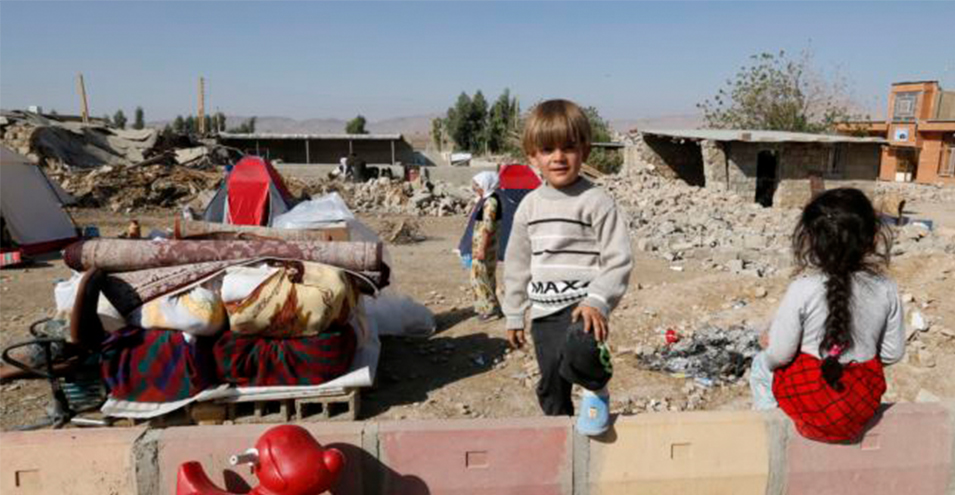
The representative of Serpolzahab and Qasr-e Shirin in the Islamic Consultative Assembly criticized the efforts of the Red Crescent Organization, Housing Foundation, and Oil Ministry in assisting earthquake victims in these areas.
Farhad Tajri said on Thursday, February 9, in an interview with Tasnim news agency that considering the fact that Kermanshah Province is one of the “coldest provinces in the country,” the Red Crescent Organization “has not been able to perform as well as it should and could in providing relief to earthquake victims.”
Without referring to details, he also criticized the Oil Ministry and added that given the cold weather, “one of the main needs of the people is fuel supply, and in this area we have witnessed negligence by the Oil Ministry.”
This representative also criticized the Housing and Urban Development Foundation for what he called “poor planning,” adding that due to the performance of this foundation, “some people still live without containers and in tents.”
As the Serpolzahab representative stated, “in some villages where the Housing Foundation was committed to building containers, many are still deprived of having containers.”
According to Tajri, regarding the construction of permanent houses, due to “the Housing Foundation’s insistence on using traditional materials, the process of building houses is progressing very slowly.”
He described this issue as causing “dissatisfaction” among people in the region and, in contrast, praised the efforts of the Islamic Revolutionary Guards Corps in building permanent housing in this area.
This representative added that “the IRGC, by using advanced materials, was able to build and deliver permanent houses at the lowest cost within 15 to 20 days.”
He added that despite “efforts made so far to organize the situation of earthquake-stricken people in Serpolzahab and surrounding villages, people in these areas still live in very difficult conditions given the harsh winter weather of Kermanshah Province.”
Earlier, Shahab Naderi, representative of Paveh and Urmianate in the Islamic Consultative Assembly, referring to the severe cold in Kermanshah Province in winter, “reported the death of several children” in the earthquake-affected areas of the province.
While earlier Hushyar Bazond, Governor of Kermanshah, had said “there were no deaths” due to frostbite in the earthquake-affected areas, Mr. Naderi said an eight-month-old child died due to “convulsions and fever caused by cold, and this matter was confirmed in his death certificate.”
The Paveh representative also reported 97 suicide attempts in this area after the earthquake and said that the condition of “pregnant women” in Paveh and Urmianate area is very inappropriate.
Shahab Naderi, referring to the fact that “promises made by officials” to provide containers or five million tomans in loans to earthquake victims have not been implemented in some areas, said some earthquake victims do not have access to “sanitation facilities” and some of them “have not bathed for 70 days.”
Mohsen Farhadi, Technical Deputy of the Center for Environmental Health and Occupational Health of the Ministry of Health, also announced on February 1 that the construction of sanitation facilities in the earthquake-affected areas of Kermanshah Province has not yet been completed.
Hashmatollah Fallahpisheh, representative of West Islamabad, also criticizing the “pressure” of banks on residents of earthquake-affected areas to repay their loans, called for intervention by Hassan Rouhani, the President, to resolve this issue.
The 7.3 magnitude Kermanshah earthquake that occurred on November 12, 2017, left more than 600 dead and destroyed the homes of tens of thousands of people.
However, more than three months after the earthquake, many reports have been published in the media and social networks about shortages and criticisms from people in the region.
Source: Radio Farda