Shirin Ebadi Protests Religious Freedom Repression in Iran with Letter to United Nations
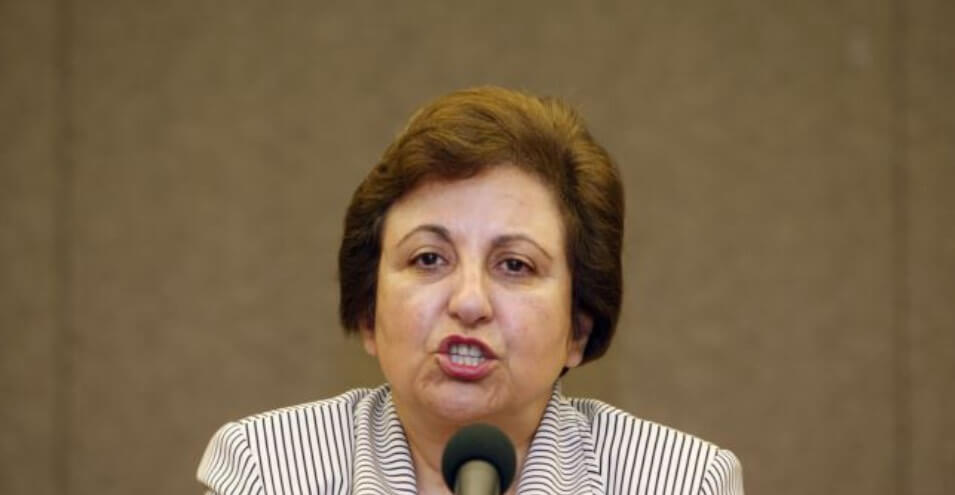
Shirin Ebadi, Iranian human rights lawyer and Nobel Peace Prize laureate, responded to new restrictions imposed by the Iranian regime on religious freedoms by sending a letter to the UN High Commissioner for Human Rights.
In recent days, news has circulated on social media about the ban on issuing national ID cards to Iranian citizens who do not adhere to Islam or one of the three officially recognized religions in the Islamic Republic’s constitution—Christianity, Judaism, and Zoroastrianism. This news has prompted reactions from human rights activists and social media users.
جواد ابطحى نماينده اصولگرا
خلاصه تذكر:ضرورت بازنگرى در كارت ملى هوشمند و حذف گزينه “ساير” در كارت مذكور كه موجب به رسميت شناخته شدن فرقه هاى ضاله مى باشد،از جمله #بهايى ها…
مملكتى كه در گردابى از مشكلات گرفتار است و دغدغه نمايندگانش جلوگيرى از به رسميت شناخته شدن شهروندان كشور! pic.twitter.com/a3CuhB2FGh— Atish آتیش (@Atiiiiish) December 28, 2019
Ms. Ebadi is among the critics of Iran’s new national ID card issuance law. On Thursday, January 23, she sent a letter to the UN High Commissioner for Human Rights expressing regret over the creation of new restrictions against followers of other religions by the Islamic Republic and called for the use of all legal mechanisms to improve human rights conditions in Iran.
In her letter, which was also copied to the UN Secretary-General, the Special Rapporteur on Human Rights in Iran, the Special Rapporteur on Freedom of Religion, the Special Rapporteur on Freedom of Expression, and the Special Rapporteur on Arbitrary Detention, this Iranian human rights lawyer noted that approximately 350,000 Bahá’ís live in Iran. She stated that in Iran there are atheists, Bahá’ís, Yarsanis, and Yazidis who are thus deprived of their right to citizenship.
At the end of her letter, Ms. Ebadi, noting that “the answer to any protest in this country is bullets or prison,” recalled that despite numerous international reminders and domestic protests, the human rights situation in Iran has deteriorated day by day and is turning into a crisis.
Recently, representatives from 33 countries, including the United States, criticized the violation of the rights of ethnic and religious minorities, including Bahá’í citizens in Iran, during the periodic review of Iran’s human rights situation on Friday, November 8, and called on the Iranian government to respect their rights.
International human rights bodies and the United States have repeatedly condemned the persecution and imprisonment of followers of religious minorities in Iran.
Javaid Rehman, the UN Special Rapporteur on Human Rights in Iran, stated in his second report in August of this year on the human rights situation in Iran that while the Islamic Republic no longer executes Bahá’ís solely because of their religious beliefs, the danger of harassment, arrest, and imprisonment of Bahá’ís continues to exist, and since August 2005, more than 1,168 Bahá’ís have been arrested and faced vague and ambiguous charges.
Earlier, Sam Brownback, U.S. Ambassador for International Religious Freedom, told Voice of America: “Iran has the most egregious record in the U.S. State Department’s list of countries engaged in persecution of religious minorities, and this regime persecutes any religious minority it deems unsuitable.”
U.S. Secretary of State Mike Pompeo, in remarks during the release of the annual report on religious freedom, stated that suppression of Bahá’ís, Christians, and other religious and sectarian minorities in Iran continues to be a matter of serious concern.