Social Media Users React to Removal of Preferential Drug Exchange Rate: “Deliberate Public Murder”
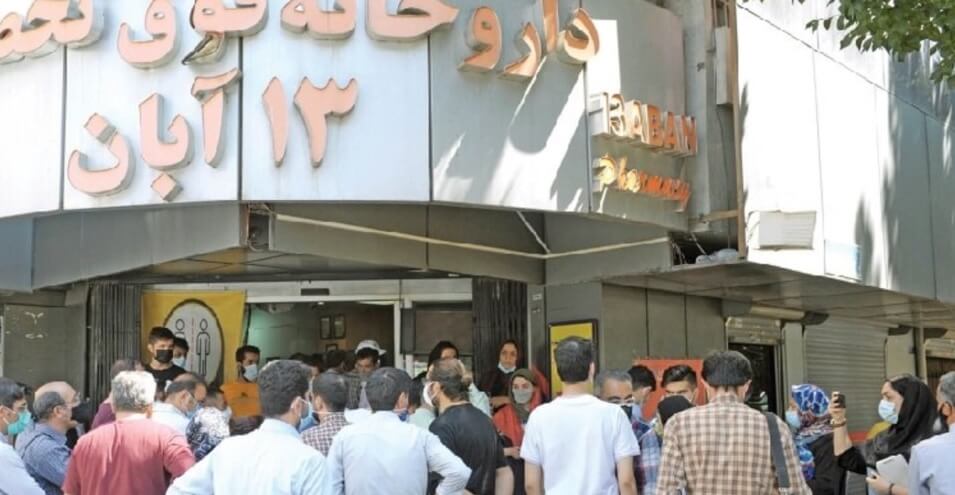
Iran’s Health Minister, emphasizing the removal of the preferential 4,200-toman exchange rate for medicines in the current year, stated that government assistance to drug importing companies will no longer continue.
Bahram Einallohi said on Sunday, April 27, referring to the fact that in the 1401 budget of Ibrahim Raisi’s government no provision was made for preferential exchange rates: “In the current year, regarding medicines, the preferential exchange rate has been removed and companies are no longer waiting to receive raw materials at the preferential rate.”
The provision of preferential exchange rates to drug importers was cited as one of the previous governments’ solutions to reduce the price of imported medicines within the country, especially for special medicines.
Bahram Einallohi, who himself is a critic of this plan, had previously opposed it and said: “The preferential exchange rate is corrupt and should be removed, and by removing this exchange rate, medicine costs will be paid to the people through insurance.”
Earlier, some had warned about the increase in drug prices following the removal of the preferential exchange rate for medicines. Hani Tahvilzadeh, head of the infant formula manufacturers association, announced in a letter to the director general of food and beverage products affairs of the Food and Drug Organization that removing the preferential exchange rate would increase the price of raw materials for infant formula by 5 to 7 times. This is while some experts believe that removing the 4,200-toman exchange rate will lead to bankruptcy of insurance companies. Meanwhile, some others believe this measure will increase the dual pressure on patients and drug consumers in the country.
Leila Hassanzadeh, a civil activist, responded to this news in a tweet: “This action is (blatant and deliberate) murder of the public! Patients in this country are the most powerless population possible and now we are formally being sent to the gas chamber.”
Fribourz Kalantari, a journalist, also implicitly pointed to the lack of judgment beyond this decision and, criticizing it, referred to the government’s and parliament’s opposition to removing the preferential exchange rate for medicines.
Source: Voice of America