Summons of ‘Parydokht Shojaeyi,’ Bahai Citizen, to Serve Prison Sentence
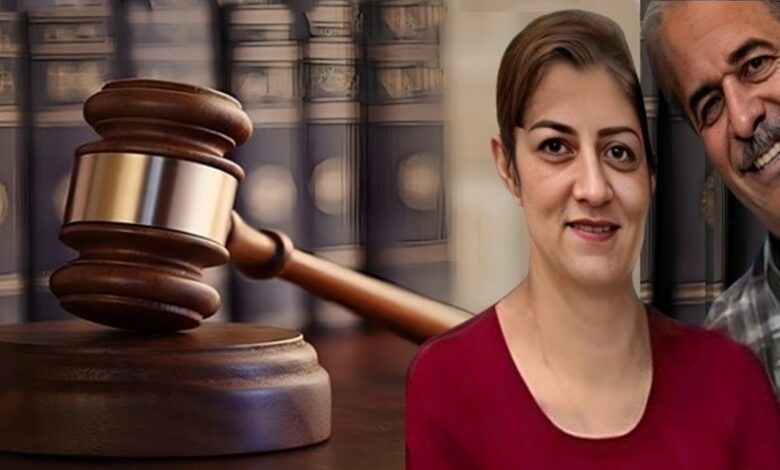
‘Parydokht Shojaeyi,’ a Bahai citizen, has been summoned to the enforcement branch of Kerman Prison to serve her sentence.
Parydokht Shojaeyi, Foad Shakerarkani, Shahram Fallah, Yekta Fallah, and Behnam Pourahmpri were arrested in Tir (June-July) of last year (1402) following a raid by intelligence officers on Shahram Fallah’s residence. After raiding his home, officers conducted a thorough search of Shahram Fallah’s residence and the vehicles of his guests, confiscating personal items belonging to these Bahai citizens, including their mobile phones.
Foad Shakerarkani and Behnam Pourahmpri were released on bail in late that month, while Shahram Fallah, Yekta Fallah, and Parydokht Shojaeyi were released on bail in Mordad (July-August). Subsequently, the first court session to hear charges against them was held in Bahman (November-December) 1402, and a second court session was held in early Ordibehesht (April-May) of the current year (1403), after which they were sentenced to payment of fines and deprivation of social rights.
Some time after their release and the issuance of the verdict against them, Parydokht Shojaeyi’s sentence was annulled for unclear reasons. Subsequently, she received a notice from the court sentencing her in absentia to two years and one month imprisonment and five years of deprivation of social rights. After requesting a retrial of this sentence, the court of appeals upheld the verdict in its entirety.
According to an informed source, Ms. Shojaeyi has been summoned this week through several telephone calls to the enforcement branch of Kerman Prison to serve her two-year and one-month prison sentence. Her sentence was issued while other defendants in this case were acquitted of the charges against them in the appeals process, with only Parydokht Shojaeyi being sentenced to imprisonment and social deprivation.
For years, Bahai citizens, Christians, and other religious minorities have been deprived of freedom of conscience and religious belief and have been persecuted by the Islamic Republic regime, while according to Article 18 of the Universal Declaration of Human Rights and Article 18 of the International Covenant on Civil and Political Rights, every person has the right to freedom of thought, conscience and religion, and the freedom to change their religion or belief, as well as the freedom to express this belief individually or collectively, publicly or privately.