Suppression of ‘Nahid Behroozi,’ Bahai Citizen, and Three-Year Prison Sentence Handed Down Against Her
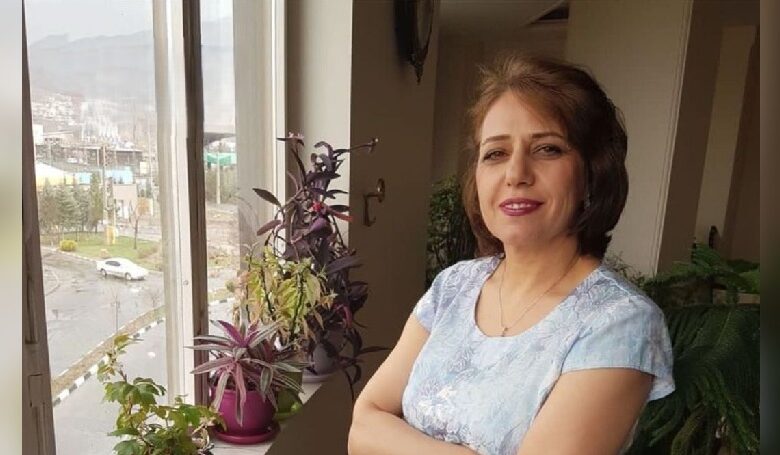
The suppression of ‘Nahid Behroozi,’ a Bahai citizen, and the issuance of a three-year prison sentence and additional punishments against her, demonstrates government pressure and the use of religion as a tool to suppress minority citizens.
The case of Nahid Behroozi and hundreds of other citizens shows that the Islamic Republic has turned freedom of religion into a tool of suppression, to the extent that the United Nations and international bodies consider this policy ‘systematic’ and a ‘gross violation of human rights.’
Behroozi, a resident of Karaj, is the latest victim of the Islamic Republic’s security policies against religious minorities. Branch 12 of the Alborz Province Court of Appeals upheld her three-year prison sentence and additional punishments; a sentence issued based on Article 500 of the Islamic Penal Code, a law that was essentially written to criminalize peaceful activities of minorities.
Her case exemplifies broader government policies; policies that international bodies have been warning about for years.
The UN Special Rapporteur on Human Rights in Iran, in response to the verdict against Nahid Behroozi, stated: ‘The persecution of religious minorities in Iran, including Bahais and Christians, is not incidental but structural and organized. They are imprisoned, deprived, and punished solely because of their beliefs.’
The UN Human Rights Committee also said: ‘Iran’s laws violate freedom of thought, conscience, and religion. The prohibition on religious proselytizing and the criminalization of changing one’s religion contradict the International Covenant on Civil and Political Rights.’
Amnesty International also added: ‘Religious minorities in Iran are the target of a sustained and merciless attack. Arbitrary detention, deprivation of education, confiscation of property, and severe punishments are part of a religious cleansing policy.’
Human Rights Watch (HRW) also, in response to the suppression of minorities by the Islamic Republic government, stated: ‘The Islamic Republic’s treatment of Bahais and young Christians is a recognized pattern of systematic oppression. No country can claim its official religion is in danger while suppressing powerless minorities.’
The European Parliament also stated: ‘Iran must immediately end the persecution of religious minorities, particularly Bahais and Christians. The continuation of this process is a clear violation of international commitments and evidence of state discrimination.’
The case of Nahid Behroozi confirms what human rights organizations have been documenting for years: arrest without clear cause, raids on homes, confiscation of religious books and personal items, vague and security-related charges, issuance of severe sentences, extensive social and civil deprivations, and ultimately a verdict based not on justice but on control and intimidation.
Nahid Behroozi’s official charge is described as ‘propaganda and teaching of deviant beliefs contrary to Islamic law,’ but in reality, her crime is having a different religion and belief; the same crime that Iranian Christians, Yarsan followers, Dervishes, and even critical Muslims within the state apparatus have been pressured for years.
The policy that targets Bahais today is the same policy that Christian citizens have lived with for years: detention for participating in home church gatherings, confiscation of Bibles, deprivation of education, threats to families, exile and imprisonment, and in some cases even murder. This is the cycle in which Nahid Behroozi’s case is placed—the suppression of freedom of religion, by whatever name the government chooses to call it.
The case of Nahid Behroozi is merely one line in a thick book, a book that has been written for years and is titled: ‘How a Government Declares the Faith of its People the Enemy of Security.’ As long as such a structure persists, laws are written for suppression, and as long as minorities are punished with the label of ‘deviance,’ freedom of religion—that sacred and human freedom—will remain a hostage to power in Iran.