The Consequences of Inflation in Iran: Absolute Poverty Among Female-Headed Households
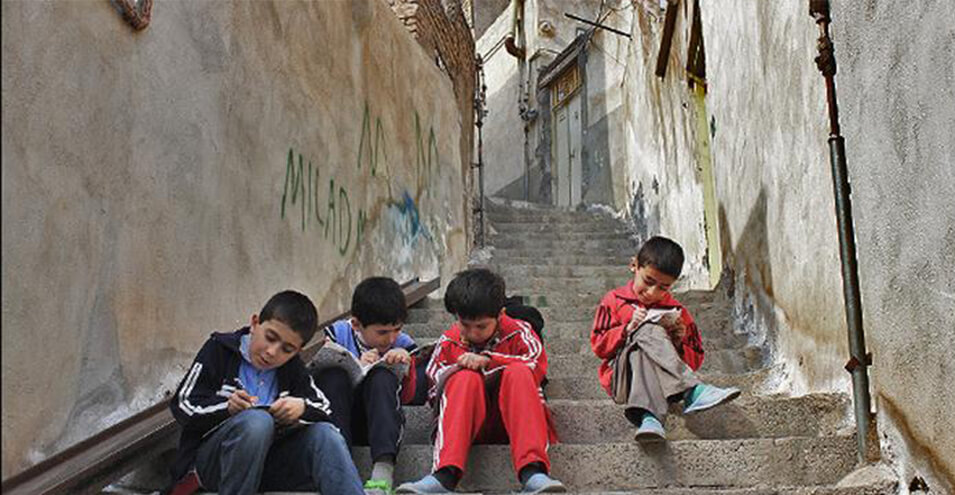
The Minister of Cooperation, Labor, and Social Welfare states that billions of tomans in credit have been allocated to eliminate absolute poverty in single-parent households, particularly female-headed families, yet inflation growth reaching up to 70 percent renders these resources ineffective.
Mohammad Shariatmadari, the Minister of Cooperation, Labor, and Social Welfare, met with members of the parliamentary women’s faction to discuss the situation of female-headed households, persons with disabilities, and child laborers, presenting statistics that are far from encouraging. According to ISNA news agency’s report, he stated: “The budget allocated to eliminate absolute poverty has increased from 7 trillion to 8.4 trillion tomans through the efforts of representatives,” but inflation growth reaching up to 70 percent evaporates a large portion of the allocated financial resources.
He also said that if an organization is not established to support female-headed households, this “process will remain fruitless.” Until before the sixth development plan, there were no accurate statistics on the situation of female-headed households in Iran. Now, with the cooperation of the women’s faction and the Labor Ministry, apparently some statistics, though not particularly precise, have been obtained.
These statistics include 3 million and 200 thousand people. According to the Minister of Cooperation, Labor, and Social Welfare, currently only one council headed by Massoumeh Ebtekar operates in the field of female-headed households, which has six committees, and this is insufficient to address the needs of such a population.
Increasing statistics of population falling into absolute poverty
According to Mohammad Shariatmadari, 245 thousand needy households are currently under the coverage of this ministry, showing a 15 percent growth in this population in the first three months of 2018. The situation of persons with disabilities is also dire. According to the Minister of Cooperation, Labor, and Social Welfare, “12 trillion tomans were initially estimated for the implementation of this law,” but in practice less than one trillion tomans was allocated in the budget, and “therefore, appropriate measures cannot be taken in this area.”
According to this report, 1300 groups are currently operating in Iran in the field of identifying and addressing the situation of female-headed households, of which seven thousand are female-headed household members themselves. However, only 770 thousand of these women have been identified, and according to Shariatmadari, “this number is not accurate and steps should be taken to complete this database.”
59 thousand and 500 young people work in self-help groups in this field, which according to Mohammad Shariatmadari, “93 percent of them are women, and 22 billion and 100 million tomans have been provided through public resources to fund the implementation of the empowerment plan in this sector.” He also referred to the statistics of female managers in his ministry and said: “The number of female managers at the senior level in the twelfth government increased from 2 to 7 people, at the middle management level from 211 to 275, and at the basic level from 689 to 924 people.” These statistics come at a time when the Rouhani government still lacks even a single female minister.
The Minister of Cooperation, Labor, and Social Welfare’s report on the insufficiency of allocated credits to eliminate absolute poverty among female-headed households and single-parent families is released one day after another report on housing conditions in Iran. A report indicating a staggering 109.6 percent increase in housing prices this spring compared to last spring.
In this regard, Ahmad Tavakkoli, head of the non-governmental organization “Observatory for Justice and Transparency,” in an open letter to the leaders of the three branches of government, the Guardian Council, and the Assembly of Experts, wrote about “the sound of tenants’ bones breaking and the cries of the destitute,” and spoke of “very painful and alarming observations” that urgently need remedies.
Official media in Iran is filled with news about “implementing economic empowerment plans for women” in Ardabil, Mashhad in “23 provinces of Iran” or establishing a “market of solidarity in Mashhad” that creates employment opportunities for 45 people “directly and for 100 people indirectly.” Small news amidst the large waves of poverty and unemployment, especially among women, and financial resources that evaporate with inflation growth and fall short of meeting the basic needs of millions of people; in a country where millions have lost their existence to earthquakes and floods.
Source: DW