The “Dark” Days of Sistan and Baluchestan; Cemeteries Full, Hospitals Without Empty Beds
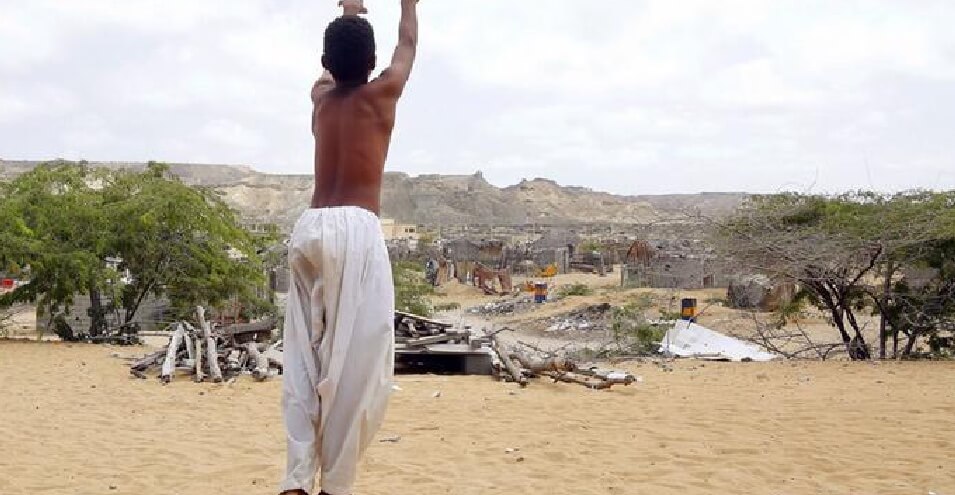
The coronavirus outbreak situation in Sistan and Baluchestan is dire. The Deputy Minister of Health has traveled to the province. The province has been quarantined and people are urged to observe health protocols and stay home. In many areas, people don’t even have drinking water in their homes.
The coronavirus outbreak situation in Sistan and Baluchestan, with “1,000 cases per day” according to the Chabahar representative in parliament, is dire. Moein-al-Din Saidi warned in an interview with ILNA that the province “is facing a humanitarian catastrophe.”
Iroj Harirchi, Deputy Minister of Health, also said today (July 1st) during a trip to Zahedan that “for the first time, the rate of outpatient and hospitalized coronavirus cases in Sistan and Baluchestan province has exceeded the national average.”
Regarding the number of cases and deaths from coronavirus, one citizen and social activist from this province wrote on Twitter that coronavirus claims one victim every 90 minutes.
The Deputy Minister of Health, referring to the role of the Delta variant in the coronavirus outbreak, said: “The Delta virus entered the country from the southeast, and given the situation created in Afghanistan, there is a possibility of increased migration to Iran through various routes.”
This comes as doctors and media activists have warned for weeks about the deteriorating situation due to the Delta virus entering Iran through Sistan and Baluchestan borders; warnings that apparently took a long time to be heard, prompting the deputy minister to travel to Zahedan to assess the situation.
“We know people are under pressure but they should cooperate”
Iroj Harirchi announced today at noon at the provincial corona management and control headquarters meeting the quarantine of the province and complete closure of official borders.
The Deputy Minister of Health, while asking people to observe health protocols, said: “We know people are under pressure and facing economic difficulties, but we ask the people, especially in the southern provinces, to cooperate so that by observing guidelines and rapid and widespread vaccination in the near future, we can be free from this disease.”
“Just keep informed, we don’t even have drinking water”
But can closure be a solution for Sistan and Baluchestan? According to social activists, in the absence of government jobs and factories, many people in Sistan and Baluchestan province make a living through street vending, fruit selling on roadsides and streets, and closing their businesses is impossible given the lack of any government financial support.
A Zahedan citizen, responding to the call for Sistan and Baluchestan residents to stay home, wrote: “Stay home? Just know that we have to buy drinking water from outside.”
Sistan and Baluchestan deprived of everything
The lack of vaccination facilities, shortage of coronavirus test kits, shortage of screening centers, and infrastructure that according to the Chabahar representative is “lower than half the national index in southern Sistan and Baluchestan” has now brought the province to a stage where medical staff speak of a “dark situation.” Social activists in the province write on Twitter: “Ten cities in Sistan and Baluchestan have no hospital and sometimes a person needs to travel over 100 kilometers to reach a hospital for treatment.”
The longstanding suffering of Sistan and Baluchestan people, which is now more evident with such crises and perhaps for a few days may draw the attention of officials and central authorities to this remote region, is severe deprivation of all basic facilities.
“Wearing a mask is meaningless!”
Iroj Harirchi said in today’s meeting with Sistan and Baluchestan officials that the province has the lowest rate of compliance with health guidelines in the country and said: “When people are so indifferent to wearing masks, we will certainly witness its consequences and dangers.”
Obaidollah Mallek, a teacher and social activist in a report published by Iran newspaper, says: “I myself am a teacher in a border area. The water we used was water that livestock used, unhygienic. When we use this water, observing health protocols no longer makes sense. Wearing a mask is meaningless.”
The voice of Sistan and Baluchestan and its people’s problems, like the cries of Khuzestan, either don’t reach officials or reach them late, and each time a catastrophe is the messenger bringing this message to their ears: this time the messenger’s name is “Delta”!
Source: DW