Three European Countries Pursue Process of Restoring Iran Sanctions
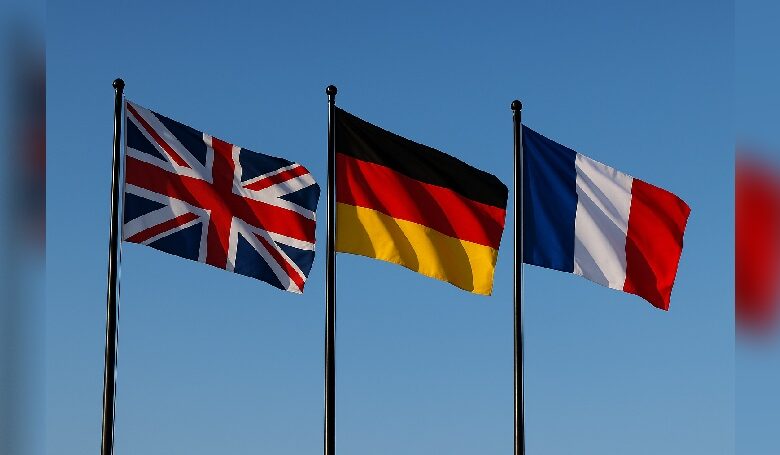
Three European countries have undertaken a review of the diplomatic process and the possibility of re-imposing United Nations sanctions against Iran.
Reports indicate that Britain, France, and Germany are preparing to restore UN sanctions against Iran. Diplomatic sources have informed Reuters that these countries intend to begin the legal process of restoring sanctions from Thursday, August 28, corresponding to September 6 in the Persian calendar, but hope that Iran will present commitments regarding its nuclear program within the next 30 days so that the implementation of practical measures can be postponed.
On Tuesday, August 26, negotiations were held in Geneva between Iranian representatives and the three European countries to avoid missing the legal opportunity to restore sanctions lifted under the JCPOA. Experts emphasize that the deadline for implementing UN Security Council Resolution 2231 expires in late October, affecting the timing of diplomacy.
According to diplomats’ statements, the recent meeting was unable to obtain concrete commitments from Iran, but there is a possibility of continuing negotiations in the coming weeks. European sources stated that based on Iran’s alleged violation of the nuclear agreement, the process of the “snapback mechanism” for restoring sanctions would likely be initiated.
The West assesses Iran’s nuclear advances as beyond non-military needs, while Tehran denies any intention to develop nuclear weapons. The process of restoring sanctions will last 30 days, after which restrictions will be imposed on the financial, banking, oil, gas, and defense industries sectors. One diplomat told Reuters: “Real negotiations will begin when the letter from European countries is sent to the UN Security Council.”
A spokesperson for Germany’s Foreign Ministry also stated that initiating the restoration of sanctions remains one of the options on the table, while British and French officials have not responded to Reuters’ requests for comment. Iran has also warned that if sanctions are re-imposed, it will provide a harsh response.
Meanwhile, Iranian media reported that UN nuclear inspectors have returned to the country after Iran halted its cooperation with the International Atomic Energy Agency. Rafael Grossi, the Director General of the Agency, stated that the inspectors’ entry has been confirmed, but no agreement has yet been reached on the scope of access to facilities. Abbas Araghchi also announced that Tehran has not yet reached a final agreement to resume full cooperation with the Agency.
Inspections include reviewing stockpiles of enriched uranium that have not been monitored since Israeli attacks. The three European countries have proposed that if Iran agrees to inspections and begins talks with the United States, the activation of the snapback mechanism be postponed for six months. Iran has enriched uranium to 60 percent, which is only a short distance from the level required for nuclear weapons production.
The International Atomic Energy Agency emphasized that despite concerns, no credible evidence of coordinated efforts to produce nuclear weapons in Iran has been observed. Also, one diplomat stated that Iran has shown signs in recent talks with the three European countries of readiness to resume dialogue with the United States, provided that Washington guarantees no military attack will occur during negotiations.