Three Kurdish Political Prisoners Executed in Iran
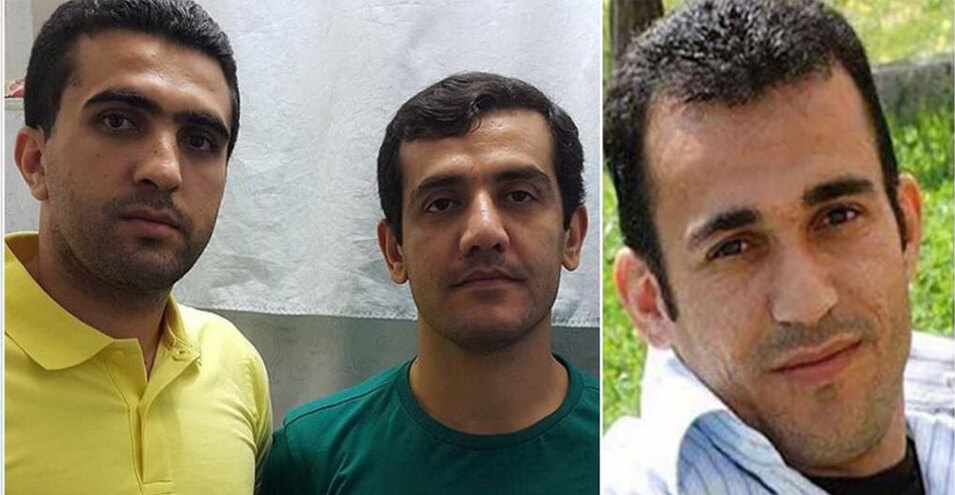
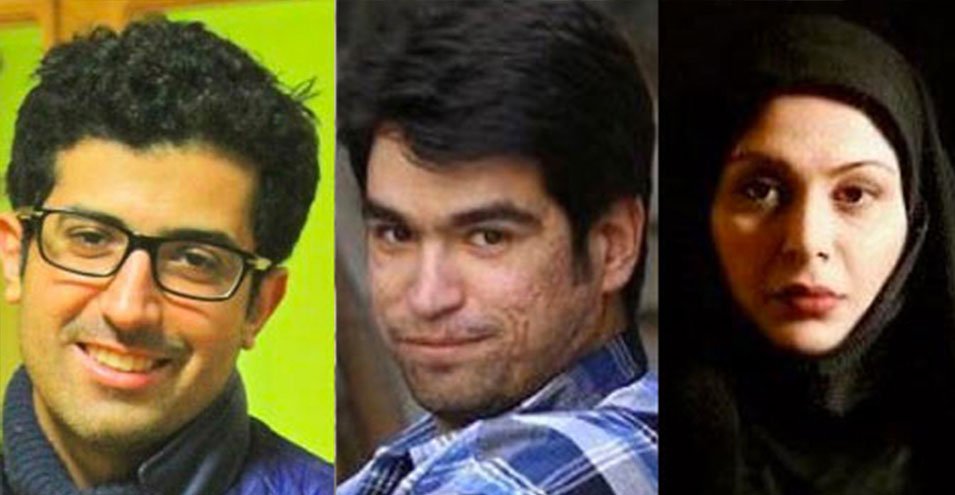
According to Iran Human Rights Organization, three Kurdish political prisoners named Ramin Hosseinpanahi, Loghman Moradi, and Zanyar Moradi were executed in Rajai Shahr Prison in Karaj.
Iran Human Rights Organization condemned the execution of these three Kurdish political prisoners. Mahmoud Amiri Moghaddam, spokesman for the organization, stated: “Zanyar Moradi, Loghman Moradi, and Ramin Hosseinpanahi were tortured during detention to extract confessions that have no legal basis, and were sentenced to death following an unfair trial. Their execution is a crime, and Iranian authorities, including Supreme Leader Seyyed Ali Khamenei, are responsible for this crime.”
Iran Human Rights Organization had previously warned of the imminent danger of execution for these three prisoners. Furthermore, yesterday, Javaid Rehman, UN Special Rapporteur on Human Rights in Iran, and Agnes Callamard, UN Special Rapporteur on Extrajudicial, Summary or Arbitrary Executions, had requested Islamic Republic authorities to halt the imminent execution of Iranian Kurdish prisoners, including Zanyar Moradi, Loghman Moradi, and Ramin Hosseinpanahi.
Following the execution of these three prisoners, Amjad Hosseinpanahi, brother of Ramin Hosseinpanahi, said in an interview with Kurdish journalists in Sulaymaniyah, Iraq, that they have not even handed over Ramin’s body to his family.
Philip Luther, researcher and director of Middle East and North Africa section at Amnesty International, also described the execution orders as horrifying in a statement in response to these executions, despite widespread condemnation of the death sentences against these individuals and multiple appeals from UN experts and other activists to halt the executions.
Amnesty International’s statement also noted that the trial of these three individuals was severely unfair, and after their arrest they had no access to their lawyers and were tortured to extract confessions.
Amnesty International called on Islamic Republic authorities to take immediate steps to ensure fair trials, prohibit torture, and abolish executions, in accordance with Iran’s international commitments.
Hosein Ahmadi Niaz, defense lawyer for Ramin Hosseinpanahi, told the Persian section of Voice of America that the execution of Ramin was unlawful.
Saleh Nikbakht, defense lawyer for Zanyar and Loghman Moradi, told Voice of America that he went to Rajai Shahr Prison on Friday night, but prison authorities told him that no orders concerning these prisoners were being executed at that prison and that these two prisoners and their case files had been handed over to intelligence authorities. This was while news of their execution was announced on Saturday.
Zanyar Moradi and Loghman Moradi were arrested by the Ministry of Intelligence in Sanandaj on August 10, 2009, in the city of Marivan. After a few months, these two young prisoners were transferred to Branch 15 of the Tehran Revolutionary Court headed by Judge Velayati, and in a brief trial on charges of “armed opposition through actions against national security, membership in the Kurdish Democratic Party (KDP), assassination of the son of the Friday Imam of Marivan, espionage for Britain, and disrupting security during the presence of Mr. Khamenei in Marivan,” they were tried and sentenced to public execution.
Based on a statement by Ahmed Shaheed, UN Special Rapporteur on Human Rights in Iran, released in March 2012, “Zanyar and Loghman Moradi, after being severely beaten and threatened with sexual assault, were forced to accept murder charges and confess.” The statement adds: “No evidence or witness testimony was presented against these two men in court, and they did not have adequate access to their legal counsel.”
Ramin Hosseinpanahi was also shot and wounded by IRGC forces in Sanandaj on Friday, June 23, 2017, and then arrested. IRGC personnel claimed he had engaged in armed conflict with them, but this prisoner’s family rejects the claim of armed conflict. Ramin was sentenced to death in a brief trial on charges of “actions against national security and membership in KDP,” and his death sentence was upheld by Branch 39 of the Supreme Court on April 10, 2018.
Source: Voice of America