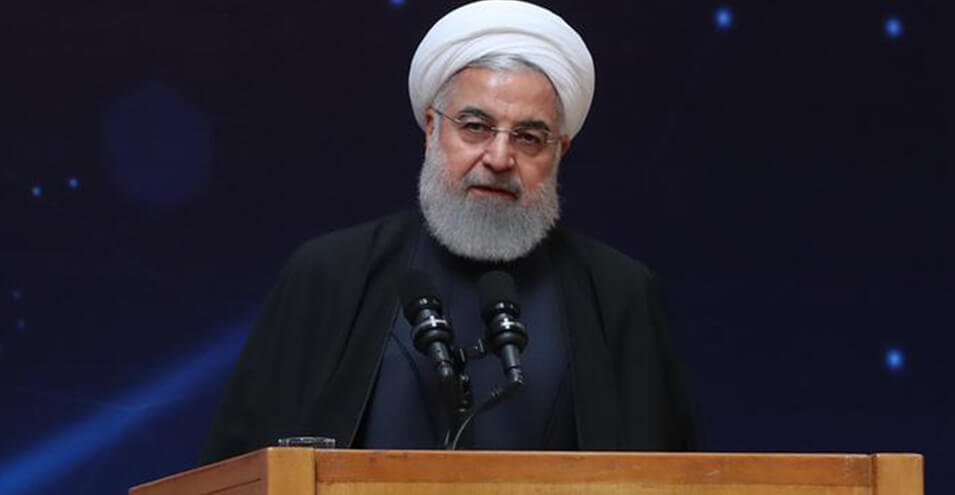
Three Tenth Parliament Representatives Convicted to Imprisonment
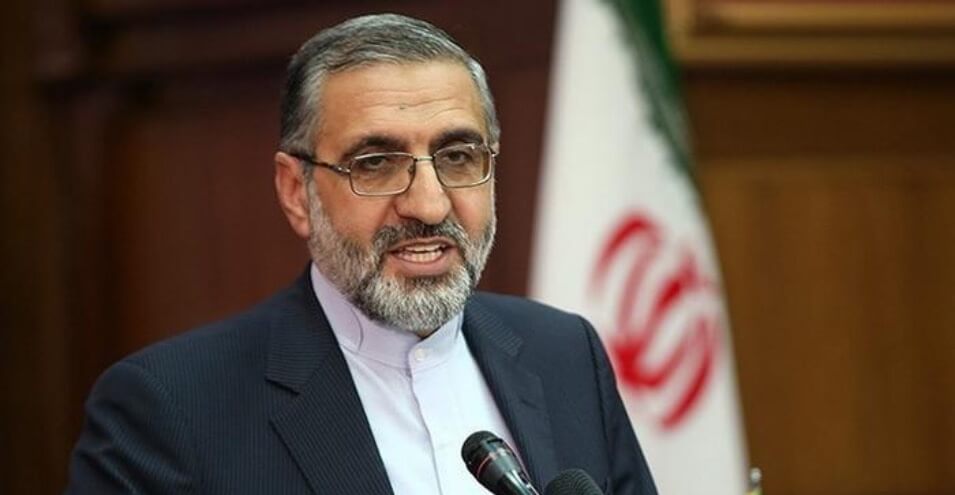
The spokesperson of the judiciary announced that two parliament representatives have each been sentenced to 61 months imprisonment. The conviction of another representative has also been upheld. One of these representatives stated that the judicial system suffers from “obsession with case-making” and sacrifices justice for political expediency.
Gholamhossein Esmaili announced on Tuesday, May 20, in a gathering of journalists that an indictment has been issued for more than forty individuals in the case of disruption in the automobile, currency, and coin markets, stating that 34 defendants in this case have been convicted in court.
According to the ISNA news agency, the judiciary spokesperson said that Vahid Behzadi and his wife Najva Lasidai, whom media refer to as the “Sultan of Cars and Coins,” have been sentenced to death on charges of “participation in major disruption of the monetary and foreign exchange system,” which is subject to appeal at the Supreme Court.
Behzadi and his wife have been accused of disrupting the distribution system of public necessities through pre-purchasing over 6,700 automobiles from Saipa Company, participating in money laundering operations worth over 3,000 billion tomans, and currency smuggling through fictitious purchase orders. Security forces reportedly discovered 24,700 full gold coins and 100 kilograms of gold from Najva Lasidai’s residence.
The judiciary spokesperson also announced that in this case, Mehdi Jamali, former CEO of Saipa Automotive Company, has been sentenced to seven years imprisonment for participation in disruption of the distribution system, and Reza Taghizadeh Makui, former deputy for marketing at Saipa, has been sentenced to 15 years imprisonment.
Two Parliament Members Convicted of Disrupting Distribution System
Fareydoun Ahmadi, representative of Zanjan and Tarem, and Mohammad Azizi, representative of Abhar in the tenth session of the Islamic Consultative Assembly, are two other defendants in this case, each convicted on charges of “complicity in disruption of the distribution system of public necessities through facilitation of crime commission” to 61 months imprisonment.
Some Iranian media had reported last August that the representatives of Zanjan and Abhar were arrested in connection with the Saipa Company case, and wrote that they were released after depositing a 10-billion-toman bail set by the prosecutor.
Ahmadi, in his final speech on the floor of parliament yesterday (May 19), severely criticized the judicial system, accusing it of continuing “to serve as a tool to cover up the country’s weaknesses and mismanagement.”
Referring to corruption cases in which the main defendants are described as the “Sultan” of cars, currency, sugar, or dried fruits, he said: “Sultan-making and then eliminating sultans is a vicious circle that might work in politics but not in economics.”
Concealing the Consequences of Wrong Policies?
According to Khabar Online, the Zanjan representative in parliament states that wrong decisions such as announcing a single-rate dollar at 4,200 tomans or preselling coins and automobiles cannot be concealed “through executions and destroying people’s and merchants’ homes.”
Fareydoun Ahmadi added: “The harmful effects of America’s withdrawal from the JCPOA and subsequent sanctions and the grounding of the country’s automotive industry cannot be eliminated through sultan-making, their execution, widespread case-making, and strange rulings.”
This parliament member characterized the accusations against him and his conviction as resulting from case fabrication and accused the judiciary of suffering from “obsession with case-making” and measuring justice “based on political interests rather than justice and fairness.”
The member of the parliament’s Committee on Industries and Mines, stating that the country’s poor economic conditions are a product of negligence, mismanagement, racketeering, and poor planning, emphasized: “This economy is the product of sidelining specialists, brain drain, and capital flight. This chaotic system cannot be fixed through executions and imprisonment.”
Source of Corruption and “Ruined Economy”
Ahmadi said in another part of his speech in parliament: “The country’s economy is ruined. We have created a disaster for which killing hundreds of other sultans is not the cure. Even if we execute and imprison all economic actors, this disaster will not be fixed. We must look for the solution elsewhere.”
Many critics believe that corruption and rent-seeking in the Islamic Republic have become institutionalized and embedded in the fabric of the system, and moreover, a large portion of Iran’s economy is in the hands of state institutions and “semi-private” companies that have no effective oversight of their performance, and their connections to centers of power facilitate abuse and protection from judicial action.
Some observers also believe that the Islamic Republic suffers from systematic corruption, a stage in which oversight agencies and the judicial system have also become corrupted. In such circumstances, investigation of some cases could result from behind-the-scenes economic and political rivalries and in any case does not address the decision-making process and corruption-generating system.
Mohammad Azizi is another representative who has been sentenced to 5 years imprisonment in connection with the corruption case in the automobile distribution system. Mohammad Moassad, an Iranian journalist who had published an article about this case last month, was summoned to Evin Prosecutor’s Office following a complaint by Azizi and is temporarily released on bail. He wrote in a tweet:
Azizi, who is a member of the Vashereh Iran faction, also defended the recent bill on legal prohibition of any contact and communication with Israel in parliament and said that even at the cost of depriving Iran’s sports from international competitions, the participation of Iranian athletes with their Israeli counterparts should be subject to complete prohibition.
Confirmation of Mahmoud Sadeghi’s Conviction
Another tenth parliament member who has been sentenced to 21 months imprisonment in court is Mahmoud Sadeghi. On Monday, May 19, the appeals court confirmed his conviction. Sadeghi wrote in a tweet that the original court’s verdict regarding his case was exactly upheld.
The sentence against the Tehran representative in the tenth parliament was due to several cases, the most important of which was “insulting Sadegh Larijani,” the former head of the judiciary. Sadeghi had demanded transparency regarding Larijani’s various bank accounts while heading the judiciary and the operation of these accounts.
He is one of 75 tenth parliament representatives whose candidacy for the eleventh parliament elections was not approved by the Guardian Council.
According to Fararu, Mahmoud Sadeghi stated: “Contrary to what has been reported, Amlialrijani himself did not file a direct complaint. Interestingly, the main complainant in the complaints filed was the Tehran prosecutor, or he himself or the substitute prosecutor of Tehran filed these complaints.”
Sadeghi was referring to Abbas Jafari Dolatabad, the former Tehran prosecutor. Jafari Dolatabad was appointed to this position by Larijani in September 2009 and was dismissed last May by his successor, Ebrahim Raissi.
Source: DW