Turbulent Bread Market in Iran; Subsidized Bread Distribution via Bank Cards Begins
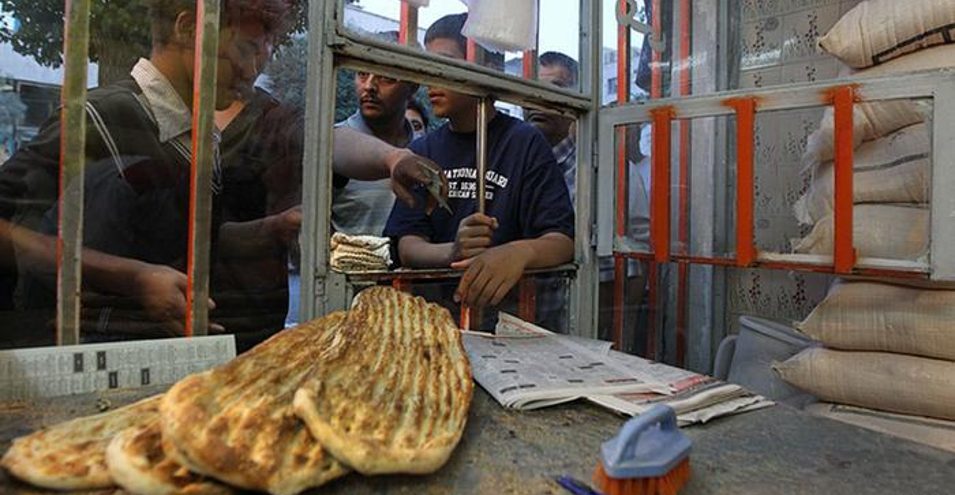
Despite denials by officials, the prices of various types of bread in Iran have increased sharply, and pilot distribution of subsidized bread has begun in Zanjan province. In Zanjan province, subsidized bread is being sold through bank cards, and there is also talk of using national ID cards.
The sharp increase in bread prices has become one of the most important concerns of Iranians in recent days, although some officials, including Ehsan Khandouzhi, the Minister of Economy, have promised that the price of traditional bread will not increase by the end of this year.
While chaos and confusion continues in Iran’s bread market, the distribution of subsidized bread in Zanjan province has begun on a pilot basis through bank cards.
IRNA news agency reported on Friday, Ordibehesht 16, quoting the director general of public relations at Zanjan’s governorate: “Given the widespread violations in the distribution of flour, it has been decided that bread subsidies, which were previously provided to wheat, will be paid directly to bakeries.”
According to this report, Mahdi Varghayee said that with the implementation of this program, Zanjan bakeries will be connected to smart card readers so that bread subsidies will be credited to the bakery based on the number of breads sold.
Return to Coupon Commodity Era with a New Coat of Paint
With sharp price increases, the debate over returning to coupon distribution of subsidized goods, which was implemented during the Iran-Iraq War, has surfaced again and has been more seriously placed on the agenda in Ibrahim Raisi’s administration.
Meanwhile, discussions have been raised about the distribution of subsidized bread based on citizens’ national ID cards, but the details are not clearly understood.
Ibrahim Sayami, a manager at the Ministry of Economy, claimed on Wednesday that with the government’s plan, bread prices would not increase for people and “bread subsidies” would be allocated to citizens for each national code. He also considered it possible to purchase subsidized bread with a bank card.
Mohammad Reza Mirtaj-al-Dini, vice chairman of the eleventh parliament’s budget and planning commission, called the government’s plan the distribution of “digital commodity vouchers or the former coupons” about a month ago.
“Consumption Pattern” of Bread with a Ten-Thousand Tomani Budget?
According to the Asia newspaper, Sayami said about the government’s plan: “The advantage of this is that people who consume more than the standard pattern must correct their consumption pattern or buy at free market prices. People whose consumption is less than the standard pattern will also have money left over.”
In recent days, news was published on social media that according to it, the prices of industrial breads increased sharply all at once and the price of each baguette reached ten thousand tomans.
Some officials have denied the sharp increase in non-traditional bread prices, but evidence and comments from social media users confirm that one of the main reasons is that the price of flour for industrial bread production units has increased more than 9 times.
Mohammad Javad Karmi, chairman of the fancy bread union, told the “Khabr Online” website on Ordibehesht 11 that according to the market regulation headquarters resolution, the price of flour for these units increased more than 9 times from 1,750 tomans per kilogram to 16,000 tomans per kilogram.
More Than Three Times Increase in Sangak Bread Price?
He denied the price lists published on social media for fancy breads but said that given the removal of flour subsidies and other costs, the price of these products will now be determined by “supply and demand” and competition between production units, and there will be no approved price.
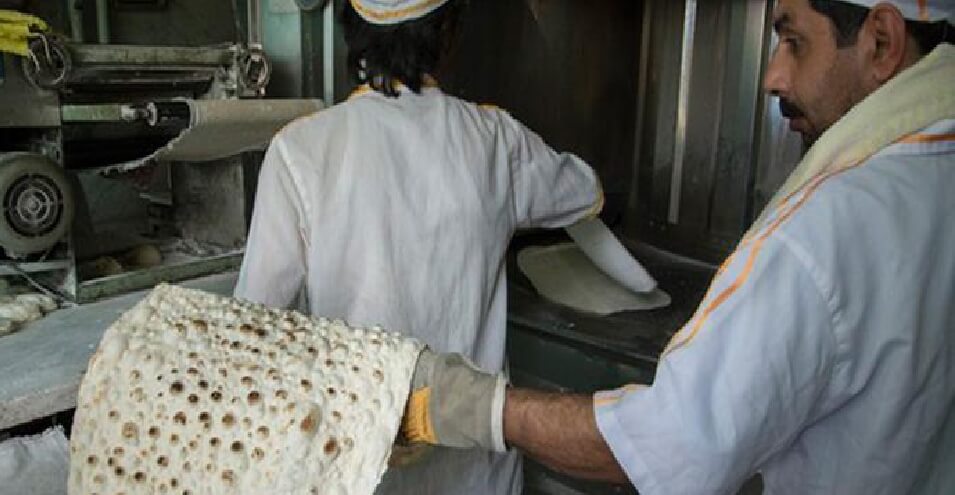
Despite repeated claims by government officials that the price of traditional bread will not increase for consumers, the price lists of online stores show more than a threefold increase in sangak bread prices. Some internet users have also reported buying bread at new prices.
The increase in guaranteed wheat purchase price from farmers, the removal of government foreign exchange (4,200 tomans per dollar), and the food shortage crisis resulting from Russia’s military aggression against Ukraine are cited as the main reasons for bread price increases.
According to “Khabr Online,” the Minister of Economy, referring to the consequences of this war, said: “With the Ukraine war, the trade situation for essential goods has become complicated and wheat and oil prices have increased sharply, causing the prices of essential goods in Iran to be one-tenth the price in neighboring countries, which has led to smuggling abroad.”
Mir-Kazemi, head of the budget and planning organization, also recently claimed that the government is not eliminating bread subsidies but is “redistributing it optimally” and by correcting flour prices, prevents its smuggling.
Despite these statements, confusion in the turbulent bread market continues, and concerns about the sharp increase in bread prices, which is considered the main food for a large portion of citizens, continue to grow.
Source: DW