Two Protesters Killed in Khuzestan Protests; Gunfire at Protesters in Susangerd
Protests continued in various cities across Khuzestan province on Sunday evening, July 18, and videos circulating on social media show persistent gunfire, particularly in the city of Susangerd.
Some reports indicate that at least one protester in Susangerd was wounded by gunfire from security forces.
Multiple sources have confirmed that at least two people have been killed during protests in Khuzestan province, while one member of the Islamic Consultative Assembly has described these events as a “staged conspiracy.”
Mahmoud Ahmadi-Bigash, representative of Shahreza in parliament, posted on Twitter, referring to the worsening water crisis in the province, that he “smells blood and a staged conspiracy.”
However, he provided no further explanation of this statement but said water must be released to these areas to “extinguish the fire.”
Majid Nasseri-Nejad, representative of Shadegan in parliament, also said the “matter is not a joke” and “the enemy seeks unrest.”
Meanwhile, Mohammad Baqer Nobakht, Vice President of Iran and head of the Budget and Planning Organization, said on Sunday, July 18, that the cabinet approved allocating 1,150 billion tomans “to address Khuzestan’s problems.”
According to Hassan Rouhani’s deputy, half of this amount was allocated to Khuzestan by the Budget and Planning Organization on Sunday.
During protest gatherings over the past three nights, which spread to at least 17 cities in Khuzestan including Ahvaz, Susangerd, Shadegan, Shush, Shaur, and Karun, at least two protesters have been killed by Iranian security forces.
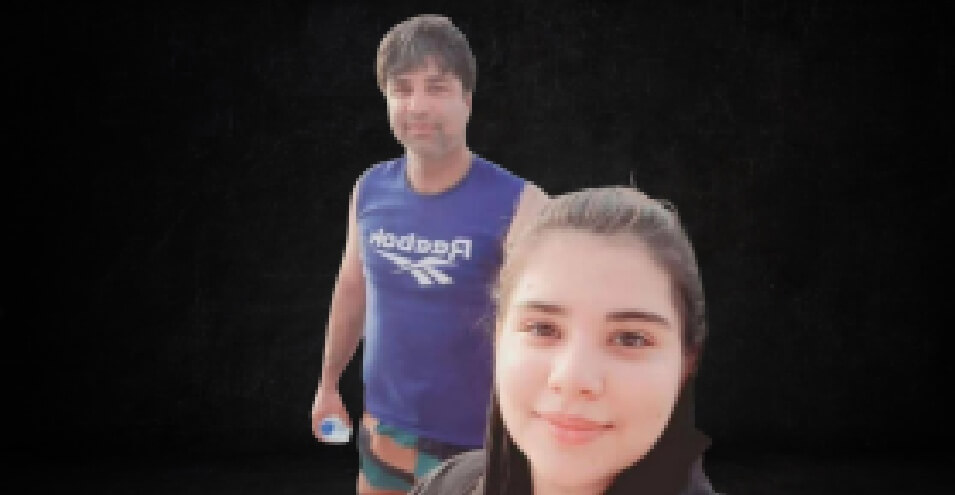
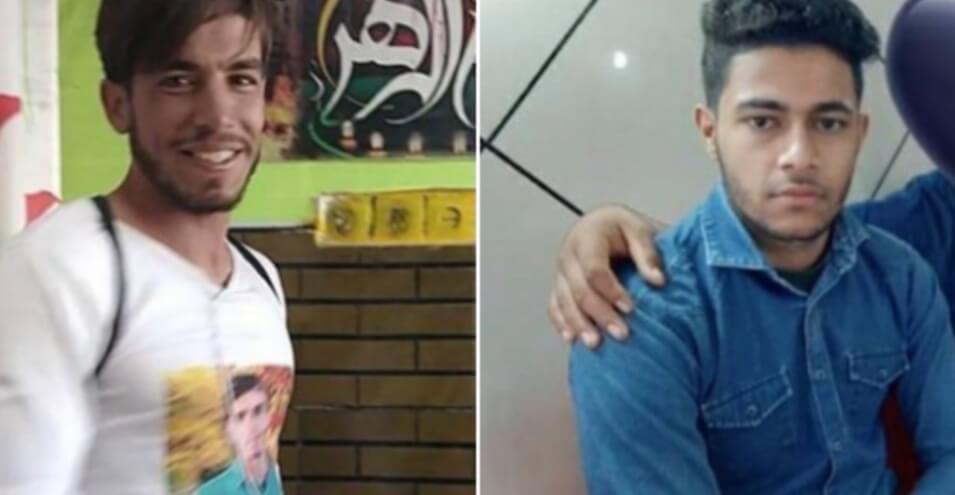
According to human rights sources, Mostafa Naimawi, a 30-year-old young man, and Qassem Khezri, a 17-year-old teenager, are two protesters who lost their lives from gunshot wounds.
The Human Rights News Agency in Iran reported that Mr. Khezri “was wounded by gunfire from security forces” and died in the hospital.
Iranian judicial and military authorities have not yet commented on these two killed protesters, but Omid Sabri-Pour, acting administrator of the Shadegan governorate, claimed that Mostafa Naimawi was killed by “rioters.”
Mr. Sabri-Pour initially told ISNA news agency that those responsible for Mostafa Naimawi’s death had been arrested, but later told IRNA news agency that they are attempting to identify those responsible for the incident.
Fars News Agency, affiliated with the Islamic Revolutionary Guards Corps, quoted one of Qassem Khezri’s relatives, describing him as “a Basiji, pious and fasting” and wrote that “suspicious elements” killed him.
The agency also released a video yesterday of Mostafa Naimawi’s father speaking in Arabic, saying his son was not inclined toward “disobedience and rebellion” and “had relations with Basij and law enforcement children.”
Mohsen Heidari, Khuzestan representative at the Assembly of Experts, also told Fars News Agency that “criminal individuals, affiliated with foreign entities and counter-revolutionary,” are firing guns among the people and “killing innocent people.”
Attributing the killing of protesters to “suspicious elements” and “counter-revolutionaries” is one of the ongoing agendas of media outlets and figures affiliated with the Iranian government during various protests.
During December 2017 and November 2019 protests, these media outlets and parliamentary representatives continuously reported on the role of enemies in killing protesting citizens, but no evidence has been presented so far.
Source: Radio Farda