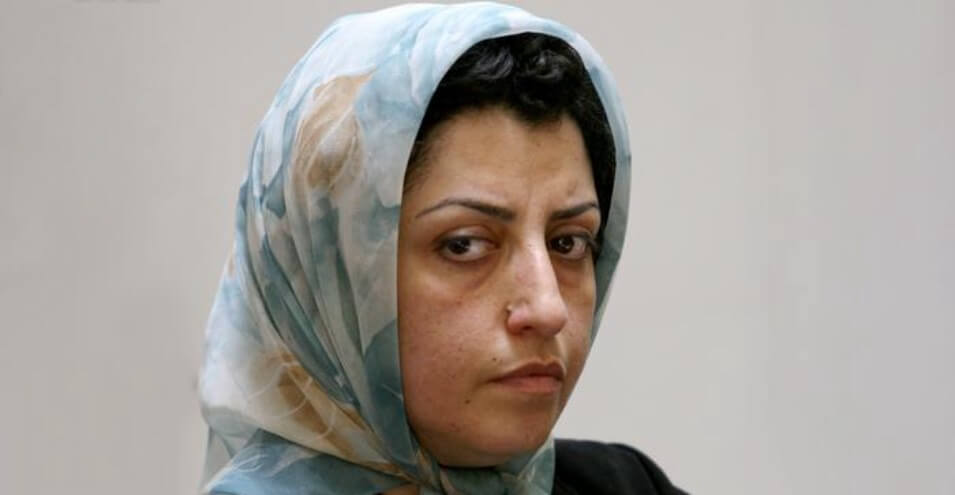
U.S. Commission on International Religious Freedom Calls for Sanctions Against Officials Who Issued Prison Sentence for Golrokh Iraee

The U.S. Commission on International Religious Freedom issued a statement condemning the issuance of a doubled prison sentence for Golrokh Ebrahimi Iraee, a civil activist and imprisoned writer.
In a statement released on Monday, February 25, the commission stated: While Ms. Iraee is being held in Amlash Prison, without attending hearings and without access to a lawyer, she was sentenced to an additional one year in prison, a ban on membership in political organizations, and a two-year travel ban.
Gill Mensh, chair of the commission, stated: The one-year additional prison sentence for Golrokh Iraee is a shocking violation of religious freedom. The U.S. government should sanction and hold accountable the responsible government officials for such unjustifiable punishment under the Magnitsky Act.
Two successive U.S. administrations over the past decade, based on the Magnitsky Act and issuance of several presidential executive orders, have added to sanctions lists individuals who have committed violations of Iranians’ rights to practice their religion. Among the most recent are Abolqasem Salavati and Mohammad Moghisseh, two judges of the Islamic Republic of Iran’s judiciary, who are known for issuing severe sentences against political activists, journalists, and human rights defenders in Iran.
In the statement from the U.S. Commission on International Religious Freedom, attention was also drawn to the imprisonment of Golrokh Iraee’s husband, Arash Sadeghi, who has contracted cancer while in prison. Another member of the commission described the imprisonment of these two civil activists and other civil activists as cowardly indifference by the Islamic Republic to its international obligations regarding the guarantee of religious and conscience freedom.
Golrokh Iraee, who has been arrested and imprisoned several times, was first sentenced to 3 years in prison for writing an unpublished story in which she condemned the punishment of stoning.