UN: Escalation of Repression and Executions in Iran Is Concerning
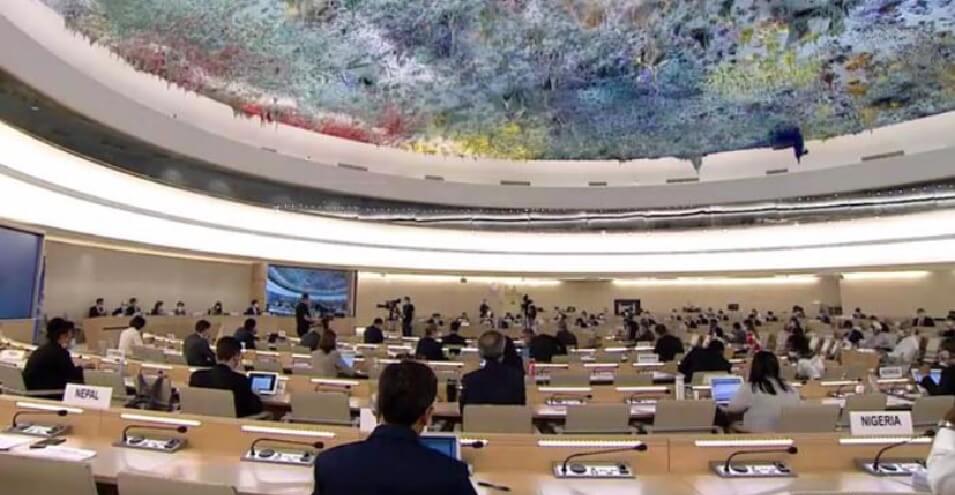
The United Nations, while expressing concern about the increase in execution cases, has also warned about the escalation of economic inequalities, expansion of repression, violations of the rights of women, workers, and labor and civil activists. Iran’s representative to the Human Rights Council called the report “biased.”
The UN Secretary-General, in a report to the organization’s 50th Human Rights Council, presented an account of widespread human rights violations in Iran and statistics showing 105 executions within a three-month period in the country. This tally notes that the majority of those executed were from minority groups, and the condemned were primarily punished based on security-related charges or “spreading corruption” and drug-related offenses.
Nada Al-Nashif, Deputy to António Guterres on human rights matters, on Tuesday, June 21, while reading this report in Geneva, said among other things: “More than 85 juvenile offenders in Iran are on death row.”
According to the latest report by Amnesty International, Iran ranks second after China in terms of the number of executions. The organization states that the Islamic Republic executed 314 people in 2021, the highest figure since 2017.
The UN Secretary-General’s annual report emphasizes that the right to fair trial is not guaranteed in many cases in Iran. The execution of Haidar Ghorbani, a Kurdish prisoner accused of killing three Revolutionary Guards, while his request for retrial in the Islamic Republic’s Supreme Court was under review, is cited as an example of such a process. The report also mentions the death of Baktash Abtin, a member of the Writers’ Association, and the negligence of prison officials in treating coronavirus.
Ms. Al-Nashif told the UN Human Rights Council: “The rate of deaths in Iranian detention centers, whether as a result of violence and mistreatment or due to lack of timely access to medical care, is a serious cause for concern.”
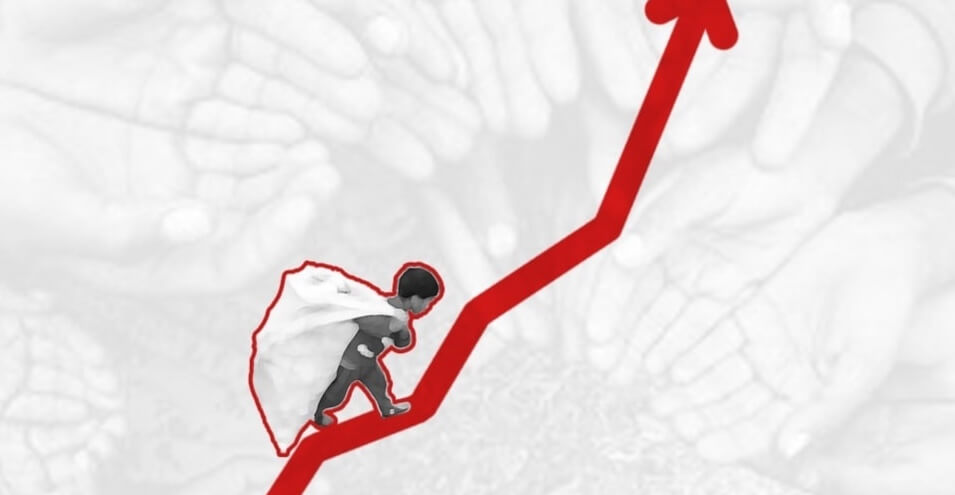
The UN Secretary-General’s annual report warns that Iran faces political, social, economic, and environmental challenges, and inflation and unemployment have led to the escalation of inequalities. This account emphasizes that the prohibition of abortion and restriction of access to contraception methods violate citizens’ rights in the field of “sexual and reproductive health.”
The lack of progress in approving a bill to prevent violence against women in parliament, the suppression of protests related to the water crisis in Khuzestan and Isfahan, confiscation of property and harassment of Bahá’ís, accusing teachers, lawyers, academics, artists, and labor activists, and security-related prosecutions against them, are all listed in the UN Secretary-General’s report.
Part of the report states: “During the one-month period of April and May 2022, at least 55 teachers, lawyers, labor rights defenders, artists, and academics were arrested during protests, many of whom face national security charges.”
Ms. Al-Nashif, the UN Secretary-General’s Deputy in Geneva, said: “The authorities of the Islamic Republic have provided no explanation to date regarding the violent suppression of the November 2019 protests or the practices leading to the deaths of porters in border areas, and deaths among detainees are a serious cause for concern.”
Mehdi Alizadeh, Deputy Permanent Representative of Iran in Geneva, called this report “biased” and viewed it as “an imposition by Western countries to stigmatize the Islamic Republic.”
Source: DW