UN Reporter: Freedom of Speech in Iran Has Become More Restricted
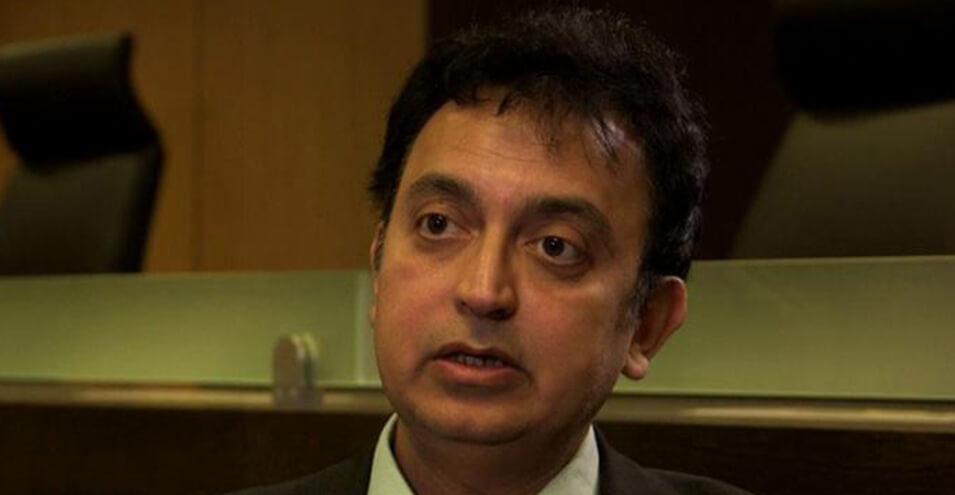
Javaid Rehman, the UN Special Rapporteur on human rights in Iran, says freedom of speech in Iran has become more restricted. In his second report over the past six months, he has expressed concern about the impact of sanctions on “food security and medicine” in Iran.
Javaid Rehman, the UN Special Rapporteur on human rights in Iran, has presented his second report to the UN General Assembly.
In this report, whose full text was published on Friday, August 16, 2019, on the UN official website, it was emphasized that over the past year, freedom of speech in Iran has become more restricted and human rights violations have continued. Javaid Rehman’s first report was published on February 27, 2019.
The UN Special Rapporteur on human rights in Iran, in his second report, while reiterating his request to travel to Iran from the Islamic Republic authorities, stated that in preparing his report on the situation of human rights in Iran, he examined information provided from various sources, including non-governmental organizations, human rights defenders, and media outlets, based on the regulations of the Human Rights Council. He has also contacted representatives of the Islamic Republic of Iran for this purpose.
In the first section of the UN report on the human rights situation in Iran, reference was made to the destructive impact of natural disasters over the past 12 months, specifically floods in a significant portion of Iran’s territory, on the lives of ordinary people in Iran. At the same time, concern was expressed about the impact of sanctions on “food security, availability and access to medicine and medical equipment” in Iran. The UN report emphasizes that sanctions have had the greatest impact on the lives of ordinary people in Iran.
Javaid Rehman then reviewed the human rights situation in Iran over the past six months and emphasized that the right to freedom of speech, the right to freedom, and the right to access to fair trial in Iran have become more restricted. He also reported harassment and persecution of human rights activists, minorities, particularly Iranian Baha’i citizens, lawyers, journalists, including BBC Persian service journalists, labor activists, and women protesting mandatory hijab, and emphasized that Iranian authorities continue to attempt to intimidate them.
Still at the top of the list of countries with thehighest execution rates
In the UN report, referring to the decrease in executions in Iran—253 executions in 2018—it was emphasized that Iran remains at the top of the list of countries with the highest number of executions.
The report mentions the implementation of execution sentences in cases of offenders who were children at the time of committing the crime: in 2018, seven offenders who had committed crimes as children were executed, and approximately 90 others face the danger of execution.
The UN report emphasizes that based on the Convention on the Rights of the Child, which Iran has also signed, the execution of these individuals is completely prohibited, and Iran must immediately cease the implementation of such sentences.
Increased Pressure on Human Rights Activists
In another section of the report, reference was made to the intimidation of human rights defending lawyers, including Nasrin Sotoudeh. Nasrin Sotoudeh defended women protesting mandatory hijab in Iran. She has been sentenced to 148 lashes and long-term imprisonment. The report continues by referencing the detention of eight prominent human rights lawyers for defending political prisoners and human rights activists, including Amir Salar Davoudi, who was sentenced to imprisonment and 111 lashes.
The report goes on to mention increased pressure on labor activists, including teachers, workers, and truck drivers, and specifically names imprisoned individuals such as Sepideh Qolian, journalist and editor of the Telegram channel Gam, Amir Hossein Mohammadi Farr, Sanaz Allahyari, Ali Amir Gholi, Asal Mohammadi, Esmail Bakhshi, and Ali Najati.
Suppression of Women
The UN Special Rapporteur on Iran dedicated a section to the activities of Iranian women opposing mandatory hijab and in his report referenced the cases of Yasaman Aryani, Monireb Arabshahi, and Mozgan Kasbavar. These three civil activists have been sentenced to a total of 55 years and six months in prison. The detention and conviction of these women to imprisonment are described as a clear example of the suppression of women who are peacefully pursuing their rights.
Harassment of Religious Minorities
The UN report further addresses the situation of ethnic and religious minorities, particularly mentioning Baha’is. The UN Special Rapporteur emphasized that Baha’is are the largest non-Muslim minority not officially recognized by the Islamic Republic, and their population of approximately 350,000 in Iran is subjected to severe harassment and persecution. Since the beginning of the Islamic Republic, over 200 Baha’is have been executed due to their religious beliefs.
The UN Special Rapporteur states that the execution of Baha’is due to their religious beliefs has stopped, but the danger of their arrest and imprisonment always exists, and from August 2005 to the present, over 1,168 Baha’is have been detained and sentenced to imprisonment on vague and ambiguous charges. The report also mentions violations of the rights of Sunni Muslims, Gonabadi Dervishes, Ahl-e-Haqq, and members of the Erfan-e Halqeh.
The UN Special Rapporteur, at the end, while reiterating his request to obtain permission to travel to Iran, asked the authorities of the Islamic Republic to end threats against human rights defenders, release dual-national prisoners, and put an end to the harassment of official and unofficial religious minorities.
Source: DW