UN Security Council Rotating President Rejects US Plan to Extend Iran Sanctions
The rotating president of the UN Security Council rejected the US plan to renew sanctions against Iran, citing the opposition of 13 member states of the council. After failing to extend Iran’s arms embargo, the United States had called for activating the “snapback mechanism.”
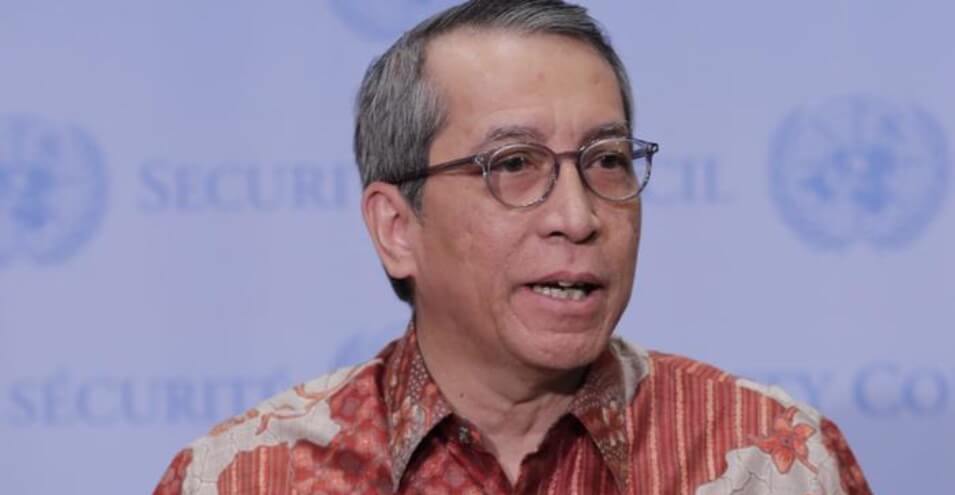
13 European Union member states, including France, Britain, and Germany, sent a letter to Dian Djahani, Indonesia’s ambassador to the United Nations who currently holds the rotating presidency of the Security Council, opposing the US plan to activate the “snapback mechanism.”
The French news agency (AFP) on Wednesday, August 26 (September 5), reported from New York on a video conference of the current president of the Security Council and published remarks by Indonesian UN Ambassador Dian Djahani regarding the US plan to activate the “snapback mechanism.”
Indonesia’s UN ambassador stated in the video conference that due to the lack of consensus among Security Council members, he cannot agree with the US request to renew international sanctions against Iran.
13 member states of the UN Security Council had previously sent a letter to the rotating president of the council, stating that given the US withdrawal from the nuclear agreement with Iran, the United States is not in a position to invoke the mechanisms provided for in that agreement.
Request to Renew International Sanctions
The US goal in proposing to activate the “snapback mechanism” is actually related to its request to extend Iran’s arms embargo. The United States had called for extending Iran’s arms embargo and considered the end of these sanctions a threat to stability and peace in the region and the world.
Iran’s arms embargo expires in October of this year, after a period of five years. The US believes that the end of these sanctions would make it possible for the Iranian government to buy and sell weapons.
In this regard, US Secretary of State Mike Pompeo, in a tweet, alluded to the possibility of selling Iranian-made weapons to Venezuela.
Pompeo wrote: “It is no wonder that the illegitimate Maduro regime turns to Iran to obtain deadly weapons. This is exactly what drives America to seek the extension of all UN sanctions, including the arms embargo against Iran.”
The US Secretary of State stressed that America will use all its capacity to enforce these sanctions.
Contrary to the view of the majority of Security Council members, the US believes it is legally authorized to use the “snapback mechanism” against Iran; first because the Islamic Republic has not adhered to the commitments and obligations stipulated in the nuclear agreement, and second because the United States was one of the participating countries in the 2015 nuclear agreement.
Mike Pompeo personally attended the UN Security Council meeting on Thursday, August 20, and formally announced the request to activate the “snapback mechanism.” Following the opposition of Security Council members except the Dominican Republic, Pompeo accused these countries of “supporting the ayatollahs.”
Renewing international UN sanctions against the Islamic Republic would effectively mean extending this country’s arms embargo as well.
Source: DW