UNICEF Warning: Child Vaccination Rates Have Declined
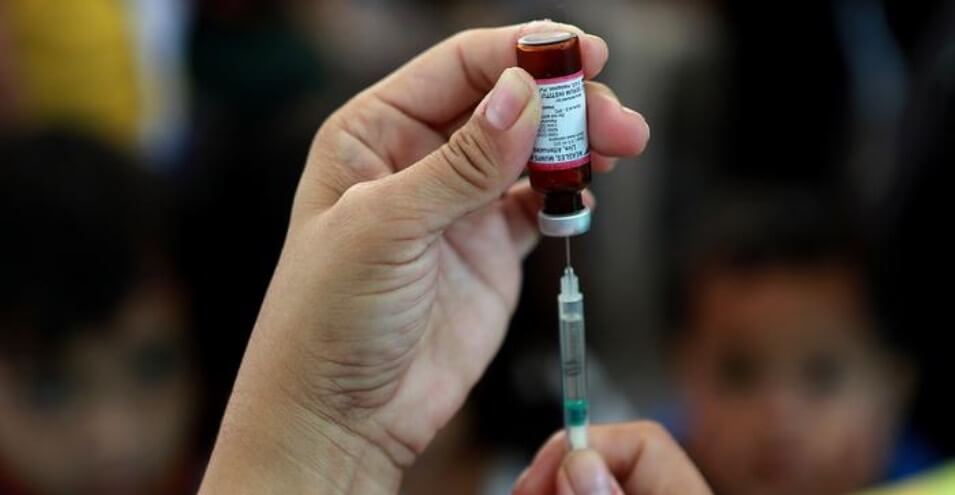
The United Nations and its affiliated children’s fund (UNICEF) have warned that during the coronavirus pandemic, vaccination of children has declined significantly, and the continuation of this trend threatens achievements in this field. The warnings are particularly directed at Africa.
UNICEF and the United Nations have expressed concern about the apparent decline in child vaccination during the coronavirus outbreak. A statement from these two bodies released Wednesday, July 15 in Geneva, emphasizes that at least 30 measles vaccination campaigns worldwide have been suspended, and this could lead to outbreaks of respiratory infections in children in the current year or next year.
UNICEF and the United Nations specifically mention the risk of measles outbreaks in countries such as Nigeria. Peter Hawkins, UNICEF representative, says this period is critical for Nigerian children: “Currently, 30 percent of children under five living in Nigeria lack access to immunization against measles.”
The United Nations Children’s Fund recalls that child vaccination in the first six months of this year has declined compared to the same period in 2019, and this is linked to the coronavirus outbreak. Hawkins says it is necessary to think about future measures: “Among other things, we can benefit from the health and medical structures that are being established to combat coronavirus.”
Joint research by the World Health Organization, UNICEF, and the coalition of non-governmental organizations active in vaccination (Gavi) shows that before the COVID-19 pandemic, approximately 14 million children worldwide were deprived of vaccines for measles, diphtheria, tetanus, and pertussis, most of whom live in Brazil, Mexico, India, Pakistan, Indonesia, and the Philippines.
However, for example, the vast majority of children in Germany are fully vaccinated. The Robert Koch Institute, citing examinations conducted in schools and financial documents from health insurance companies, reports a vaccination rate of 90 percent for children at a high level and the stability of this rate over the past 10 years.
In a report prepared by this institution in response to a government request, it states: “This rate includes vaccines for diphtheria, tetanus, polio, pertussis, Haemophilus influenzae type b (Hib), and hepatitis B.”
The Robert Koch Institute says that for the past ten years, 95 percent of all German children have received measles, mumps, and rubella vaccinations in the first round, and the second vaccination rate at the same time is between 90 and 93 percent.
Vaccination in Germany is not mandatory but is recommended and monitored by all health and educational authorities.
UNICEF says the coronavirus pandemic has taught everyone how valuable vaccines are and how seriously infectious diseases, which are potentially dangerous, should be taken. This organization had previously warned that a shortage of medical supplies, disruption in the drug supply chain due to transportation restrictions, and severe coronavirus pressure on countries’ health services have caused vaccination services in Asia, Africa, and the Middle East to decline sharply. Henriette Fore, executive director of UNICEF, had expressed concern that children from poor and vulnerable families, in particular, face the risk of outbreaks of measles, cholera, or polio.
Source: DW