UNICEF Warning on Long-Term Effects of School Closures in South Asia
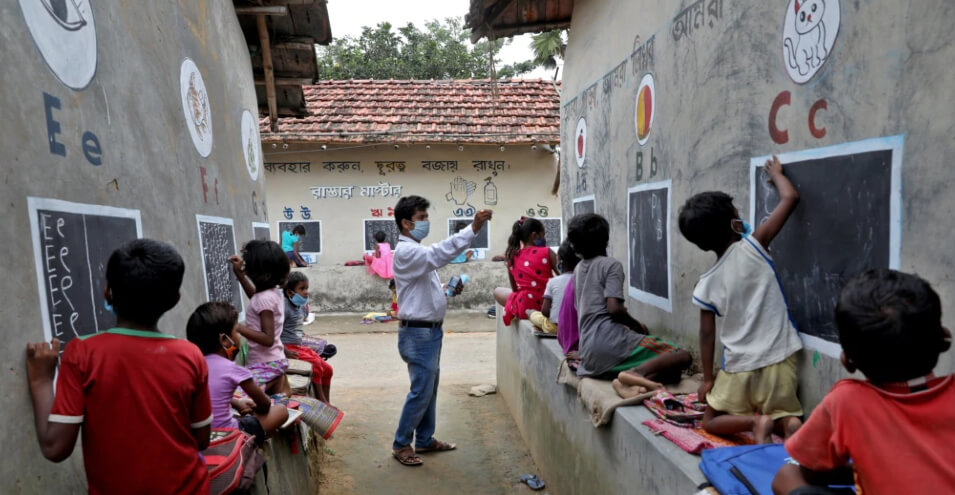
UNICEF has called on India and its neighboring countries to fully reopen schools to address educational problems affecting over 400 million children who are not attending school due to the coronavirus pandemic.
The United Nations children’s agency states that schools in Bangladesh have been closed for nearly 18 months, making it one of the longest closures in the world.
This comes as schools in other South Asian countries were closed for an average of 31.5 weeks between March 2020 and August of this year.
UNICEF has cited the long-term school closures in South Asia as having a more negative impact on students due to the lack of technical conditions for remote learning in the region, including lack of internet access.
Another point mentioned in the organization’s statement is that this issue has particularly affected the learning of poor students and girls.
Based on a study in India, the proportion of third-grade children who can read first-level texts has decreased from approximately 42 percent in 2018 to 24 percent in 2020.
The report also points to the effects of staying away from school such as psychological distress, poor mental health, and increased risk of violence, including for girls, as well as the high risk of early marriage for them.
While warning about the long-term consequences of prolonged school closures, UNICEF has called for schools to be opened and for governments to support in-person student learning.
According to UNESCO’s database, schools in India, Bangladesh, Nepal, and Afghanistan are only partially open, but in Pakistan and Sri Lanka, students can fully participate in classes in person.
Source: Radio Farda