Relentless Executions in Iran: From Mashhad Protesters to Baloch Prisoner, Justice or Political Settling of Scores?
The secret executions of “Ibrahim Dolatabad,” “Mehdi Rasouli,” and “Mohammad Reza Meiri” in Mashhad, as well as “Ghasem Nuri Rodineh” in Isfahan, have taken place while reports reveal forced confessions, lack of fair trial, and pressure on families; a process that has unprecedentedly intensified concerns about the use of capital punishment as a tool of repression in Iran.
While a new wave of executions in Iran is being carried out secretly and hastily, reports indicate widespread violations of fair trial, forced confessions, and pressure on families; a process that has significantly increased concerns about the use of capital punishment as a tool of repression and instilling fear in society.
Concurrent with increased security pressures in Iran, fresh reports document the implementation of a series of execution sentences against protesters and prisoners; sentences that many human rights organizations consider examples of “state-sanctioned killing” and a tool of political repression.
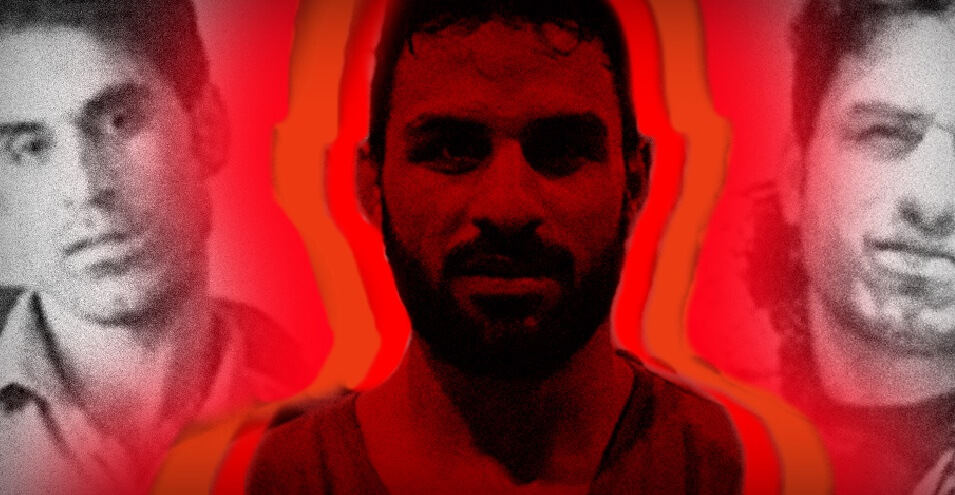
In the most recent case, the execution of Ibrahim Dolatabad, one of those detained during December protests in Mashhad, was carried out secretly in Vakilabad Prison in the city. This action took place without prior notification and only days after the sentence was issued; a matter that has again intensified criticism of non-transparent judicial processes in Iran.
“Mizan,” the official news agency of the judiciary, one day after the execution, published a report describing him as “one of the protest leaders” and a “Mossad agent”; claims that, according to independent sources, were made without providing verifiable evidence. In contrast, sources close to the prisoner’s family emphasize that the trial process was lacking fair trial standards and that political motivations even played a role in the sentence.
Ibrahim Dolatabad, who was a father of two young children, was executed under circumstances where other family members had also been arrested during the same protests. Reports show that some of these individuals remain in detention and have previously been under security pressure.
On the same day, two other young protesters named Mehdi Rasouli and Mohammad Reza Meiri were also executed in Vakilabad Prison in Mashhad. The two were sentenced to death in a joint case based on confessions that are said to have been obtained under torture. One of them stated before the execution was carried out that the only evidence against him was a video of a confrontation and that he had accepted a confession to murder under severe pressure.
Informed sources have also reported that these two prisoners were deprived of a final visit with their families and that the execution was carried out suddenly. Their bodies were handed over to their families under security measures.
In another development, the execution sentence of a Baloch prisoner named Ghasem Nuri Rodineh was also carried out in Isfahan Central Prison. This occurred while his sentence had previously been overturned twice by the Supreme Court, but despite this, the execution was carried out suddenly and without formal explanation. He was a father of two children and had always denied the charges against him.
A notable point in this case is the lack of official announcement of the execution in state media; a matter that, according to observers, indicates the continuation of silent executions in Iran.
In recent months, human rights organizations have repeatedly warned about increased executions, particularly in relation to protesters. Reports indicate that pressure on families to remain silent, the use of forced confessions, and acceleration of sentence executions have become part of a systematic pattern.
Under such circumstances, experts believe that the continuation of this process not only deepens the gap between society and the authorities but also further undermines the credibility of the judicial system. At the same time, calls from the international community for a more serious response to the human rights situation in Iran are increasing.