US Commission: Mandatory Hijab in Iran Violates Human Rights
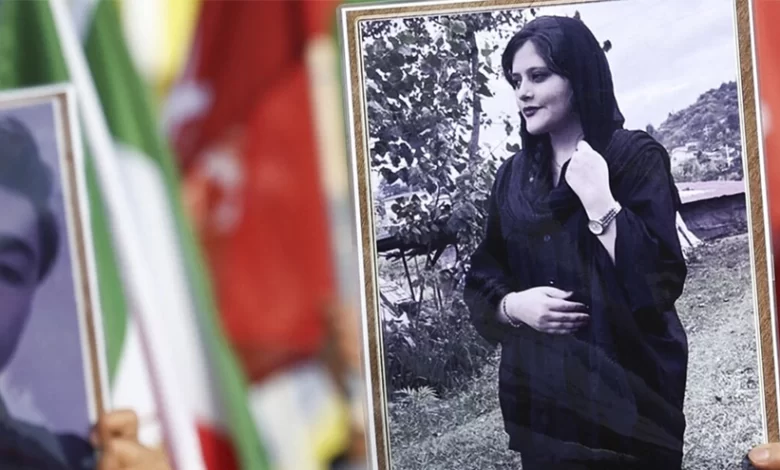
The US Commission on International Religious Freedom stated that mandatory hijab in Iran constitutes a violation of human rights.
The US Commission released a report regarding human rights violations in Iran, in which, referring to matters of international religious freedoms, it stated: “The Islamic Republic of Iran and the Taliban in Afghanistan, by enforcing mandatory hijab laws, violate individuals’ freedom to wear clothing in accordance with their religion or beliefs.”
The US Commission, emphasizing the killing of Mahsa Amini by morality police officers due to mandatory hijab and the widespread protests that ensued against her death, added: “Protesters against severe human rights violations in the Islamic Republic have faced repression including executions, sexual assault, torture, and mass arrests. The religious dress code imposed by the Islamic Republic and the Taliban on people stems from the Taliban’s and the Islamic Republic’s interpretations of Islam.
Consequently, the enforcement of mandatory dress codes violates the International Covenant on Civil and Political Rights, which emphasizes freedom of religion and belief.”
The aforementioned commission referenced Article 638 of the Islamic Republic’s Penal Code and stated: “This article criminalizes any violation of religious norms in public, and one of its provisions defines women who appear in public without a hijab, with a punishment of up to two months imprisonment or a fine.”
This commission also referred in the current month (November) to Paragraph 3 of Article 18 of the International Covenant on Civil and Political Rights, which permits certain limitations on freedom of religion or expression of belief, but emphasizes that these limitations must be based on principles intended to protect public morality and must not derive exclusively from a single tradition.
The US Commission also released a report in recent months regarding the state of religious freedom worldwide, in which, while referring to Kiyan Pirfalak and Nika Shakarami, it wrote: “In addition to suppressing protesters, the Islamic Republic authorities have systematically targeted dozens of Bahá’ís, Christians, Gonabadi Dervishes, Zoroastrians, Yarsan followers, Sunni Muslims, Shia Muslims, and non-religious individuals with harassment, detention, lengthy imprisonment, exile, bans on participation in political and social activities, executions, sexual assault, and other abuses.”