“We have missiles in Iran, but we don’t have diapers!”
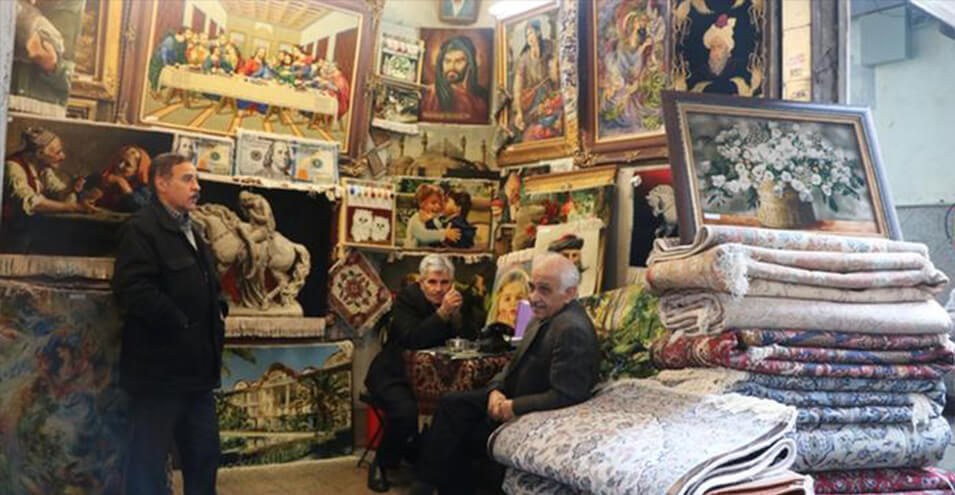
The newspaper “Handelsblatt” examines the effects of US sanctions on Iran. A report on Tehran’s market with the headline mentioned in the title was the result of a trip to Iran. In the author’s view, the economic situation in Iran is very dire.
Matthias Brüggemann, a correspondent for the German-language economic newspaper “Handelsblatt,” has addressed the financial and economic consequences of US sanctions on Iran.
According to the author, the economic situation in Iran is deteriorating further and there is no solution in sight to escape this crisis.
The shortage is not limited to consumer products. Access to raw materials needed by factories is becoming increasingly difficult day by day. The author has also addressed the collapse of the rial’s value and its effects on Iran’s economy.
Opening the doors to corruption
The author views the difference between the official dollar exchange rate and its rate in the secondary and black markets as a basis for the expansion of financial corruption. The consequence of this corruption is the division of society into “two classes.” A class that has access to dollars at the official rate and a group that must meet their production or even consumption needs with black market currency.
The effects of shortages and the influx of people trying to empty stores were also among the aspects that the author paid attention to during his trip to Iran.
People, fearing price increases and scarcity of their needed goods, have resorted to buying and hoarding goods. This issue has fueled further price increases and more severe shortages of goods in the Iranian market.
The scarcity of goods in Iran, of course, did not arise solely as a result of citizens flocking to stores and domestic markets. For example, at border areas with Afghanistan, we are witnessing unprecedented purchases of goods by Afghan citizens.
The rise in prices of goods in Iran is still lower compared to the exchange rate between the afghani, the currency of Afghanistan, and the dollar, than the prices of goods in the Afghan market.
For this reason, widespread shortages have formed in some eastern and western cities of Iran.
Missiles instead of diapers
One citizen in Tehran’s market told the Handelsblatt correspondent: “Things have really become absurd. We have missiles, but we don’t have diapers.”
He told the correspondent of the aforementioned publication that his neighbor stands in line for hours for baby formula and diapers. In this regard, the author points to the possibility of rationing and allocation of goods in Iran.
Source: DW