Currency fluctuations continue in the free market; Rial value drops another "30 percent"
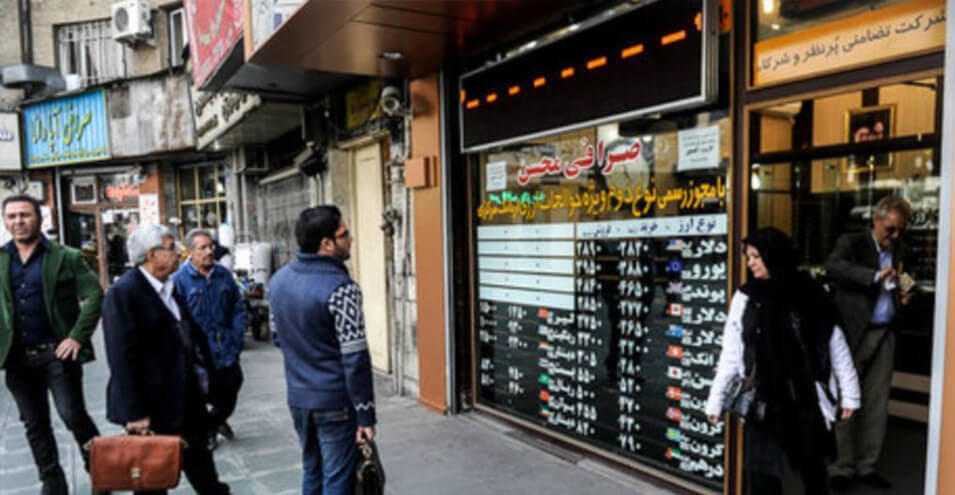
گزارشهای رسیده از ایران حاکی است که بازار آزاد ارز در روز چهارشنبه ۱۴ شهریور نیز متلاطم بود و قیمت هر دلار آمریکا بین ۱۴ تا ۱۵ هزار تومان در نوسان بود. با این حال در پایان روز، هر دلار در نرخ ۱۴ هزار تومان تثبیت شد.
هر یورو نیز تا ۱۶ هزار تومان معامله شد و قیمت پوند نیز به ۱۸ هزار تومان رسید.
خبرگزاری ایسنا در این زمینه گزارش داده که هر دلار آمریکا در روز چهارشنبه بین ۱۵ هزار ۲۰۰ تا ۱۵ هزار و ۵۰۰ تومان معامله میشد. با این حال به گفته این خبرگزاری، «صرافیها ارز را از مردم میخرند و به دلالان میفروشند و دلالان هستند که قیمت ارز را مشخص میکنند؛ نه صرافیها و دولت».
ایسنا افزوده که «آشفته بازار ارز به گونهای بود که دیگر قیمتها و افزایش آن برای مردم اهمیتی نداشت و فقط میخواستند هرچه زودتر ارز بخرند».
هر سکه در روز چهارشنبه نیز حدود چهار میلیون و ۶۵۰ هزار تومان خریدوفروش شد.
قیمت انواع ارزهای خارجی در بازار آزاد طی روزهای اخیر شاهد نوسانات شدیدی بود و قیمت دلار ظرف پنج روز گذشته بیش از سه هزار تومان افزایش قیمت داشت، و از حدود ۱۱ هزار تومان به ۱۴ هزار تومان رسید.
این روند افزایشی بیانگر آن است که ارزش ریال ایران ظرف این مدت ۳۰ درصد افت داشته است.
خبرگزاری آسوشیتدپرس روز چهارشنبه در این زمینه گزارش داد که از زمان خروج آمریکا از برجام در روز ۱۸ اردیبهشت امسال، ارزش پول ملی ایران بیش از ۱۴۰ درصد کاهش یافته است.
این خبرگزاری میافزاید: «نشانههای بحران ارزی در همه جای تهران قابل مشاهده است و آژانسهای مسافرتی تنها با ارز خارجی تورهای خود را عرضه میکنند و پوشک در فروشگاهها نایاب شده است».
«بسیاری از صرافیها در مرکز تهران تابلوهای الکترونیکی خود را خاموش کرده و برخی از آنها فقط با قیمت ۱۵ هزار تومان دلار به خریداران میفروشند».
مصطفی شهریار، ۴۰ ساله، که خریدار دلار است به آسوشیتدپرس گفته که «همه نگران هستند».
در حال حاضر برای دلار چند نرخ وجود دارد. در حالی که دولت ایران میگوید نرخ دلار برای واردات کالاهای اساسی ۴۲۰۰ تومان است، قیمت دلار در سامانه نیما که مربوط به فروش ارز حاصل از صادرات غیرنفتی است، زیر ۱۰ هزار تومان است.
خبرگزاری ایسنا میگوید نکته جالب توجهی که روز چهارشنبه بیشتر به چشم میخورد، فاصله زیاد قیمتهای رسمی صرافیها بود که روی تابلوهایشان نوشته شده بود، چرا که به عنوان مثال قیمت فروش دلار از ۱۳ هزار و ۷۰۰ تومان تا ۱۴ هزار و ۶۰۰ تومان متفاوت بود و یورو نیز از ۱۵ هزار و ۷۰۰ تومان تا ۱۷ هزار و ۵۰ تومان قیمت داشت.
نوسانات تازه در بازار ارز از اسفند پارسال و به دنبال بروز زمزمههایی مبنی بر خروج ایالات متحده از توافق هستهای شش قدرت جهانی با ایران آغاز شد و پس از تعطیلات نوروز قیمتها به صورت جهشی افزایش یافت.
علاوه بر بالا رفتن نرخ ارزهای خارجی، قیمت کالاهای اساسی، خودرو و سکه نیز افزایش شدیدی داشته است.
دولت حسن روحانی در ماههای گذشته بارها سعی کرد تا با ارائه سیاستهای جدید ارزی، بازار را کنترل کند ولی به دلیل نقدینگی زیاد در جامعه، خروج آمریکا از برجام و بازگشت تحریمها در اواسط مردادماه، و امتناع بانک مرکزی از تزریق دلار به بازار، هیچ یک از این سیاستها موفق نبوده است.
Source: Radio Farda