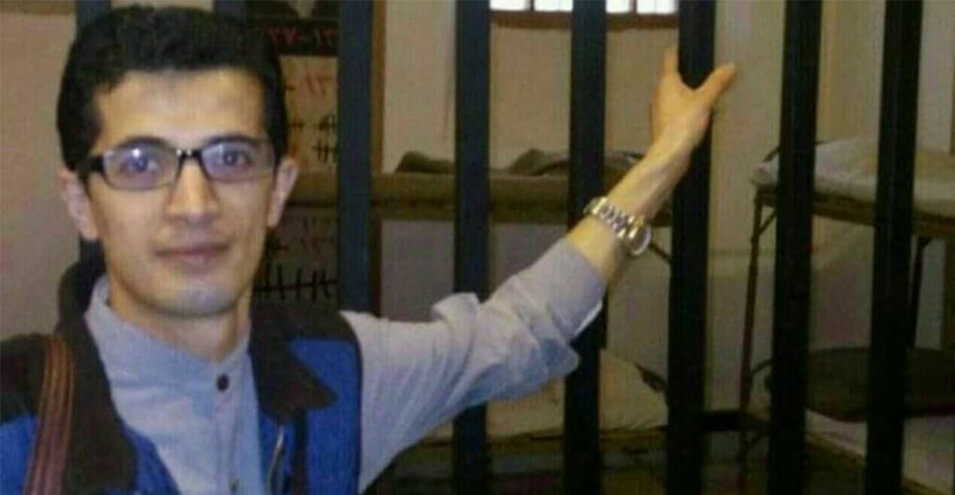
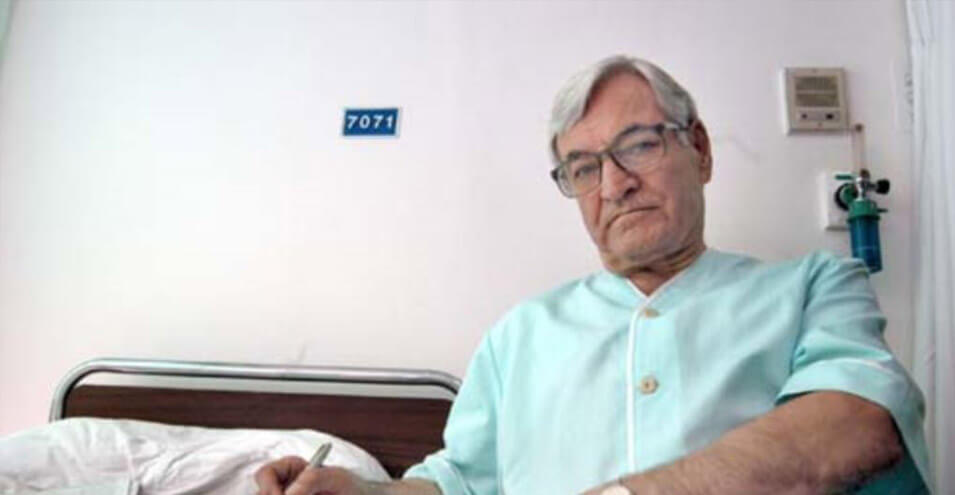
The head of the Society of Surgeons strongly objects to the law on organ transplants for executed prisoners.
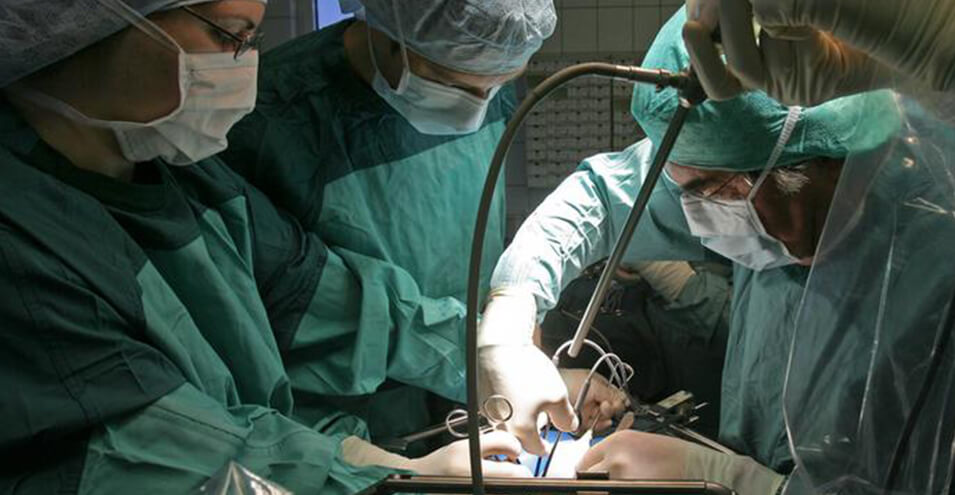
In a letter to Raisi, the head of the Iranian Society of Surgeons called the use of organs from death row inmates for organ transplants a “reprehensible” practice. He called on the head of the judiciary to “take prompt and appropriate action” to remove the article on the subject.
Referring to Article 47 of the Criminal Sentence Execution Regulations, which allows the use of body parts of those sentenced to death for organ transplants, Dr. Iraj Fazel says that this action, "in any form and with any background," has caused widespread concern and anxiety among the medical community, especially Iranian surgeons.
According to Iranian media reports, the regulations for "implementing the rulings of Hudud, deprivation of life, amputation, and self-retribution" were issued on June 17, 2019 by the head of the judiciary, Ebrahim Raisi.
In a letter to the head of the Iranian Society of Surgeons, the head of the judiciary strongly opposed Article 47 of this regulation and called for "prompt and appropriate action" to remove it.
The image of this letter, published on the Iranian Society of Surgeons' website, shows the date as July 29, but its text was published in domestic news agencies on Thursday, July 4.
An action with an " unpleasant and critical history"
The head of the Society of Surgeons wrote in part of this letter: "The use of organs from those sentenced to death has a very unpleasant, reprehensible, and highly criticized history, and not only will it not help those in need, but it will also severely threaten and question the respectable reputation of the organ transplant phenomenon, which has been earned through the dedication, struggle, and sacrifice of the medical team of this country's doctors."
Article 47 stipulates: “If a convicted person is a volunteer for organ donation before or after serving his sentence and there is no medical impediment to organ donation, the judge executing criminal sentences shall act in accordance with a guideline that is prepared within three months from the date of approval of this regulation by the Legal Department of the Judiciary in cooperation with the Ministry of Justice and the country’s Forensic Medicine Organization and is approved by the Head of the Judiciary.”
Although this section of the regulations relates to voluntary organ donation by death row inmates, it faces great sensitivity due to the history of abuse of organs from executed prisoners in some countries.
According to reports, China, as the country with the highest number of executions, faced severe international criticism for years for using organs from executed prisoners for organ transplants, until it finally announced a halt to this practice about five years ago.
Strong protest against a “reprehensible method”
Despite the protests, the announcement of the penal code has been welcomed by some legal scholars. Rasoul Koohpayehzadeh, a lawyer for the 18th Khordad Court, called Article 47 of the code “a very important, interesting, and positive aspect,” and told the state-run IRNA news agency: “In fact, this provision and measure was foreseen and thought out so that a convict sentenced to death could donate his organ before or after the execution of the sentence.”
However, in the final part of his letter to the head of the Judiciary, the head of the Iranian Society of Surgeons clearly stated that he would "personally never be willing to use this reprehensible method" and is confident that many of his colleagues share "such a feeling" with him.
No report has been published yet on the possible reaction of the head of the judiciary to this letter. Iraj Fazel is considered one of the pioneers of organ transplant surgery in the past few decades.
Source: DW