Death penalty for protesters; severe sentences amid ambiguity and human rights criticism

The issuance of death sentences to protesters in new rulings has spread a shadow of uncertainty over the trial process and intensified human rights criticism.
The issuance of death sentences and long prison sentences for a number of those arrested during the January 1404 protests has once again brought to the forefront discussions about the judicial handling of cases related to popular protests; sentences that, according to human rights organizations, are accompanied by serious ambiguities in the trial process and the proportionality of punishment.
According to published reports, Branch 26 of the Tehran Revolutionary Court has sentenced four of those arrested during these protests to death and issued prison sentences for the other defendants.
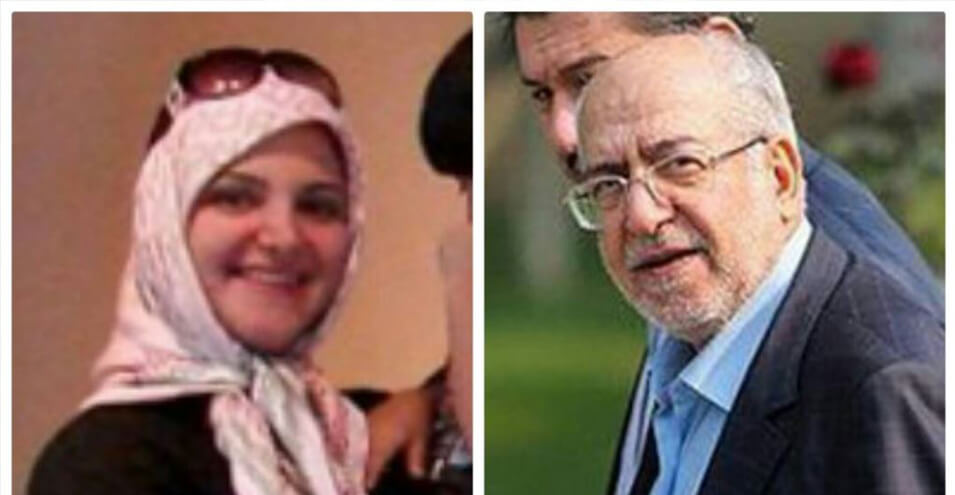
According to the published information, Mohammad Reza Majidi-Asl, Beta Hemmati, Behrouz Zamani-Nejad, and Kourosh Zamani-Nejad have been sentenced to death on charges of “operational action for the hostile government of the United States and hostile groups.” These individuals have also been sentenced to five years in prison each on charges of “gathering and colluding against national security,” and confiscation of all their property has also been considered as an additional punishment for them.
In the same case, another defendant, Amir Hemmati, was sentenced to five years in prison on charges of "gathering and colluding against national security" and eight months in prison for "propaganda activities against the regime."
An informed source said: "Mohammad Reza Majidi-Asl and Bita Hemmati are a couple living in Tehran, and Amir Hemmati is also a relative of these two people. Also, Kourosh Zamani-Nejad and Behrouz Zamani-Nejad lived in the same residential building and were arrested at the same time."
In the text of the aforementioned verdict, examples such as "participating in protest rallies on January 8 and 9, 1404," "chanting protest slogans," "throwing objects including bottles, cement blocks, and incendiary materials from the roofs of buildings," and "destroying public property" are cited as evidence of the accusation.
Another part of the verdict also mentions cases such as "using explosives and unspecified weapons," "harming forces stationed on the ground," and "sending content with the aim of undermining security," but no detailed and differentiated details are provided on how these charges were attributed to each of the defendants; an issue that, according to legal experts, is one of the challenging points of this case.
According to published information, these defendants were under pressure during interrogation, raising concerns about the possibility of forced confessions.
At the same time, the lack of clear information about the defendants' access to a lawyer of their choice, details of court hearings, and conditions of their detention has added to the existing uncertainties.
Legal experts emphasize that in cases involving severe penalties, especially the death penalty, full compliance with the principles of fair trial and transparency in the presentation of evidence are essential requirements.
In recent years, international human rights organizations have repeatedly warned against issuing death sentences in protest-related cases. According to international standards, the death penalty can only be applied in cases of the “most serious crimes” and upon presentation of clear and conclusive evidence.
However, combining charges such as "assembly and collusion" or "propaganda activity" with the death penalty is one of the cases that has always been criticized and has raised questions about the proportionality of the crime and the punishment.
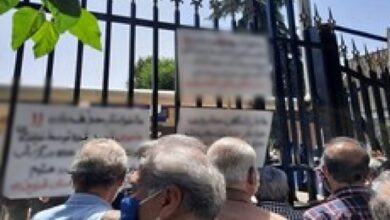
These rulings were issued while the protests of January 1404 were considered one of the most widespread waves of dissatisfaction in recent years. These protests initially began with a strike by merchants and marketers in Tehran and quickly spread with the joining of students and other social groups.
Reports indicate that during the security forces' crackdown on these protests, a large number of people were killed and injured, and tens of thousands of people were arrested or summoned.
Recent rulings have once again raised the question of whether the process for handling protest-related cases meets fair trial standards.
Ambiguity in the details of the charges, reports of pressure during interrogations, and a lack of transparency in the judicial process are among the areas that remain the subject of debate and criticism; issues that, along with the severity of the sentences, have doubled the sensitivity of this case.