Increasing disruptions in Iran's internet; Minister of Communications: We are ahead of Afghanistan
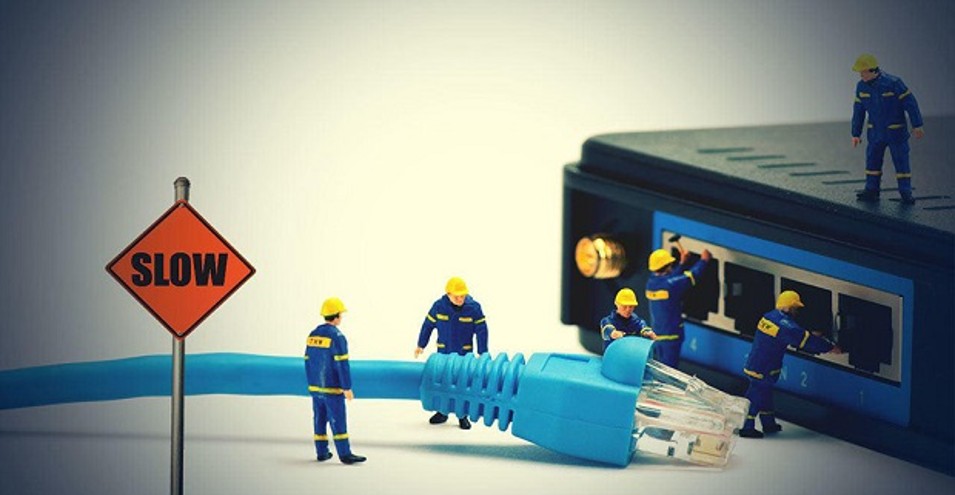
With increasing criticism of the increasing internet disruption and slow internet speeds in Iran, the Minister of Communications of the Islamic Republic said that the internet speed in Iran is faster than in Afghanistan.
In recent days, numerous reports have been published on social media and the media about disruptions in the internet, despite virtual education relying on it during the coronavirus pandemic.
Internet disruptions have reached such a level that an official from the Ministry of Science told ILNA news agency on February 14: "Disruptions in the quality and speed of the internet have increased in the past few months and have caused harassment in holding classes and exams."
Ali Akbar Safavi, head of the e-learning working group of the Ministry of Science, Research and Technology, referred to the "suffering and complaints" of the Iranian education system due to internet disruptions, adding that this issue has "extremely increased the amount of stress and mental pressure that is placed on students, professors, university administration and technical experts."
After increasing criticism and reactions from cyberspace users that the internet speed in Iran is "slower than in Afghanistan," the Minister of Communications responded to the issue today, Tuesday, February 16.
Issa Zarepour said that Iran is "a hundred steps ahead of Afghanistan" in terms of the state of the internet, and that the average internet speed in Afghanistan is "one and seven-tenths of a megabit per second, while our mobile internet speed is 24 megabits per second and the global average is 29 megabits per second."
While the cause of the internet disruptions in Iran has not been announced by the responsible authorities, Mehrdad Vais Karami, secretary of the Joint Commission of the Protection Plan, told the newspaper Entekhab on February 15 that the internet slowdown has nothing to do with the plan to restrict the internet, known as "Protection," and "maybe it is due to some gatherings."
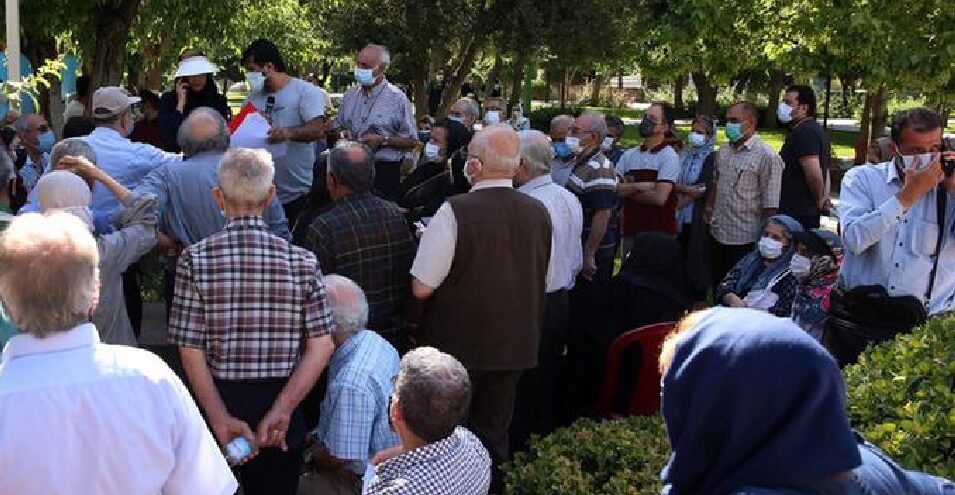
He seemed to be referring to the gatherings of various trade union groups in recent months, who have taken to the streets to demand their demands as economic pressures in Iran increase.
Mehrdad Vais Karami did not explain how these union gatherings were related to the slow internet speeds across the country.
The plan, known as "Protecting the Rights of Users and Basic Functional Services of Cyberspace," which is also known as the "Protection Plan," is structured in 37 articles and is currently being reviewed by the Parliament's Research Center.
In recent months, after the Leader of the Islamic Republic called cyberspace in Iran "unbridled" in a speech and criticized the failure of responsible institutions to restrict it, the "Protection of Cyberspace" bill was placed on the parliament's agenda, focusing on restricting social networks.
Source: Radio Farda