Release of "Matias Alihaqnejad" from long-term imprisonment
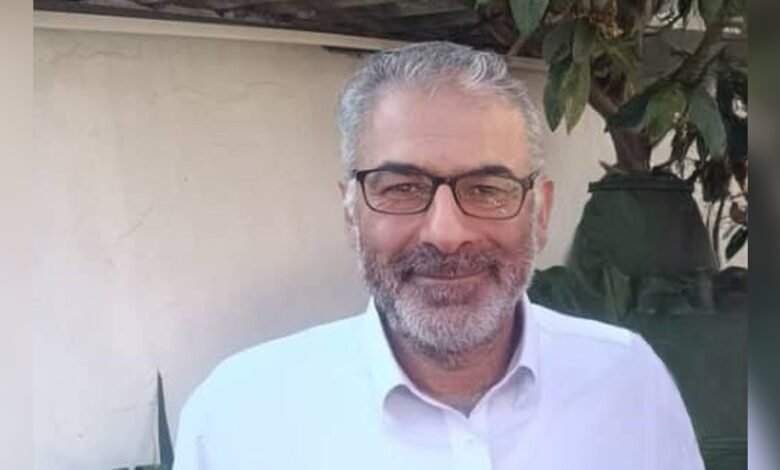
Christian citizen Matias Alihaqnejad was released from the last of his long prison term on Saturday.
Abdulreza Alihaqnejad, known as Matthias, the leader of the house church, who had been arrested and imprisoned many times over the past year and a half for his peaceful religious activities, was released from the last of his long-term imprisonment on Saturday.
In November 2014, Matias Alihaqnejad, along with Behnam Irani and Reza Rabbani, other leaders of the house church known as the Church of Iran, were each sentenced to six years in prison in internal exile on charges of “acting against national security,” “propagating Christianity outside the church,” and “informing opponents of the Islamic Republic.” This sentence was later overturned by the appeals court, and all three were acquitted of the charges.
In 1400, the Alborz Provincial Justice Department wrote a letter to the Supreme Court protesting the acquittal of the three church leaders, which resulted in the Supreme Court’s Second Branch upholding the initial six-year prison sentence. On January 15, 1400, just two weeks after his release from Evin Prison, Matthias was summoned to the Anzali Prosecutor’s Office and transferred to Anzali Prison.
His case showed that pressure on Christian citizens in Iran can continue for years after their initial arrest, and even after they are acquitted, the government’s pressure on them does not end. In 1400, Mr. Ali Haqnejad was one of the defendants in a case in which nine Christian citizens living in Rasht and Anzali were serving five years in prison on charges of religious activities in a house church.
After requesting a retrial of their case, the Supreme Court overturned the verdicts of these individuals and, in a ruling it issued on the matter, declared that the activities of house churches should not be considered an act against national security. On November 12, 1400, the hearing panel of Branch 28 of the Supreme Court declared in an unprecedented ruling regarding nine Christian citizens imprisoned in Evin Prison that preaching Christianity and forming house churches is neither a crime nor a conspiracy to disrupt national security.
The Supreme Court ruling stated that "the mere domestic propagation of Christianity and the promotion of the Zionist sect, both of which apparently mean the propagation and promotion of Christianity through holding domestic meetings, do not constitute a gathering or collusion to disrupt the security of the country, whether internal or external, and through the formation of a group, group, or branch of a group, are not subject to Articles 498 and 499 of the 1996 Islamic Penal Code and other criminal laws, and the propagation of Christianity and the formation of a house church are not criminalized in the laws."
Despite all these issues and the verdict, the arrest and re-imprisonment of Mathias, just two weeks after his release, showed that the concerns of his fellow inmates, whose courageous videos inspired the “Place to Worship” campaign, which was widely welcomed by Christians, were not unfounded. Christian citizens imprisoned in Evin Prison wrote a letter to the authorities of the Islamic Republic, asking: “Where can we Persian-speaking Christians worship after our imprisonment ends so that we do not end up in prison?”
After his arrest and re-imprisonment, Matias Alihaqnejad was far away from his hometown and family. He was not even given the chance to say goodbye to his wife and daughter, and was deported without prior notice to Minab Prison, which was 1,600 kilometers away from his hometown of Anzali.
Matias had been in an open prison in Minab for about five months, but judicial authorities, without providing clear reasons, ended this situation and transferred him back to the general ward of Minab Prison. He was finally released on Saturday from the last of his long imprisonment.
He is now celebrating his 51st birthday with his family, while another legal case is pending against him, his wife Anahita, their daughter, and nine other members of their house church, threatening their freedom. The new charges against them relate to their arrest on Christmas Eve 1401, when Matthias was only briefly released from prison.