Increasing protests against the presence of human rights violators on the list of trusted lawyers of the judiciary
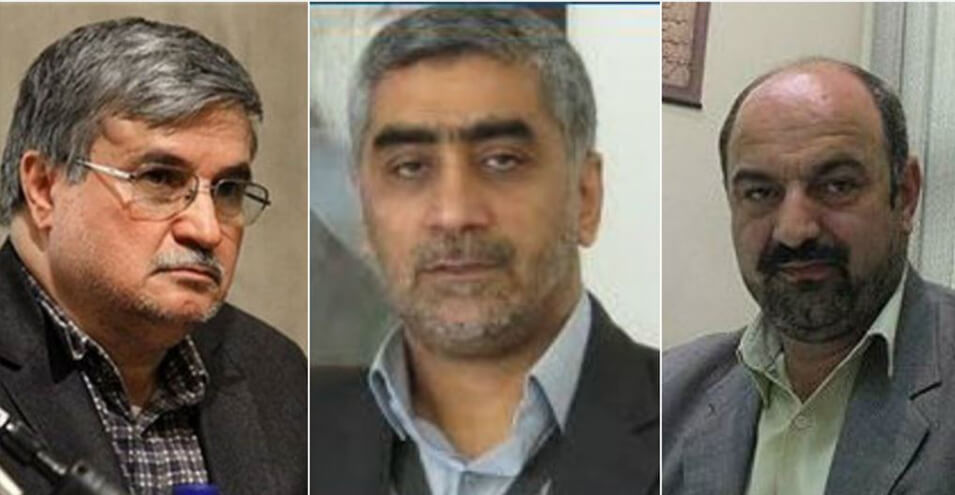
Along with criticism of the publication of a list of 20 people as lawyers trusted by the judiciary and authorized to represent in security cases, the presence of some judicial figures who have a history of issuing death sentences and other harsh sentences on this list has also been objected to.
Social media users and a number of human rights activists condemned the presence of these individuals, citing a number of names on the list of trusted lawyers of the judiciary.
These people include judges and judicial officials who practice law after retirement.
The protests were against the presence of Hassan Tardest, the judge who issued hundreds of retribution sentences; Abdolreza Mohabbati, Deputy Prosecutor of Tehran and the prosecutor's representative in the 2009 trial of the defendants; Reza Jafari, the head of the prosecution office investigating computer crimes and those sanctioned for human rights violations; and Mojtaba Panahi, the head of the Basij Lawyers' Association.
Hassan Tardest is known for issuing the death sentence for Reyhaneh Jabbari, a girl who was executed for the murder of her 47-year-old boyfriend when she was 19, despite flaws in the case, including the issue of self-defense.
Reza Jafari is known for the widespread arrests of cyberspace activists during his time as head of the prosecution and for being sanctioned by the European Union for human rights violations. Abdolreza Mohabbati has also read the prosecution's indictment against prominent figures protesting the 2009 elections in court.
In recent days, a number of lawyers have protested the introduction of a limited number of approved lawyers to defend security and political defendants.
Lawyer Nasrin Sotoudeh also told the Human Rights Campaign in Iran that by providing a list of 20 lawyers approved by the judiciary, the right to defense that political and security defendants had until now enjoyed in a partial way will be eliminated, and implementing this provision means saying goodbye to the institution of the legal profession in Iran.
The appointment of lawyers approved by the judiciary is a move that the Iranian judicial system usually does not allow security and political defendants to have lawyers until before the trial.
The denial of the right to a lawyer, especially in circumstances where security and political suspects are forced to make forced confessions in the preliminary stages of investigations, is considered by many international human rights organizations to be a violation of the rights of defendants in Iran.
Source: Voice of America