Flu deaths increase in Iran; “decrease in peak of disease”
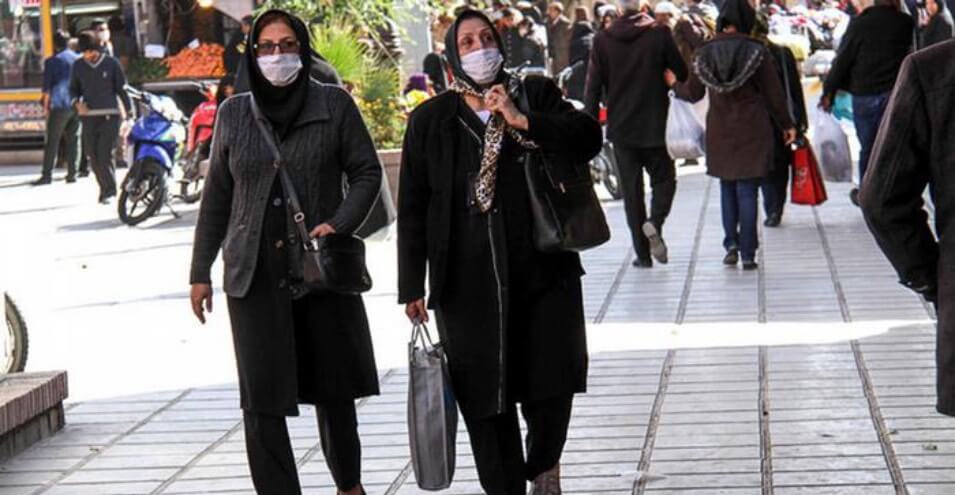
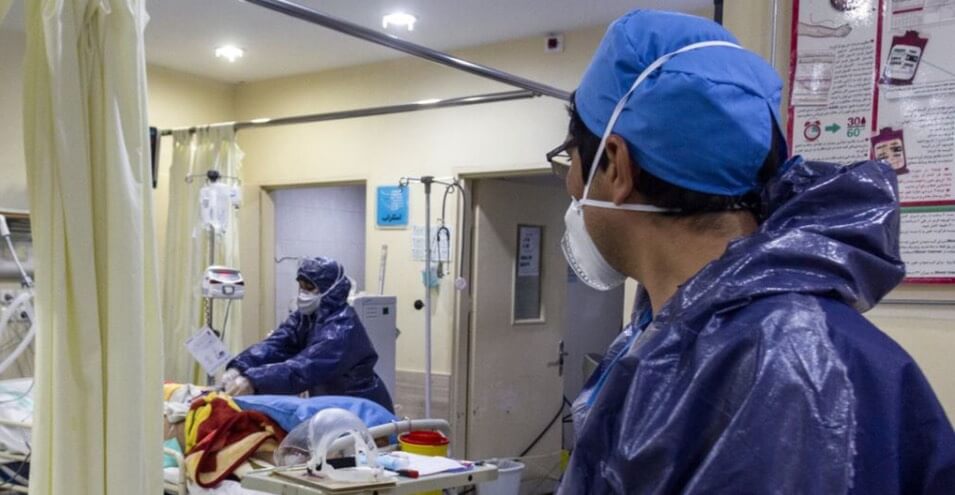
The number of victims of influenza in Iran has reached more than 80. Health Ministry officials are reporting a decrease in the peak of the disease next week, and citizens are concerned about their health.
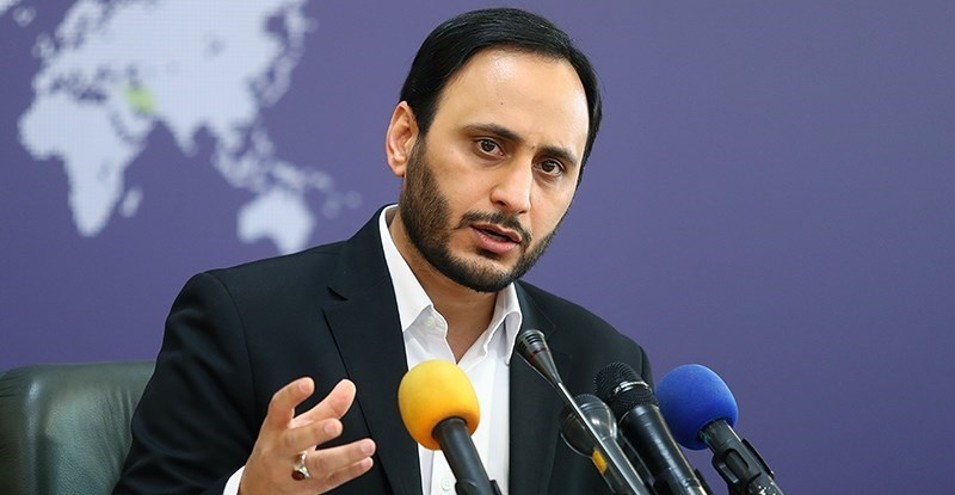
Iranian Health Minister Saeed Namaki said on Sunday, December 8, that the peak of the influenza epidemic is expected to decrease in some regions within the next week.
According to Ministry of Health officials, the spread of this disease is so great that we can speak of an epidemic.
Mohammad Mehdi Goya, head of the Center for Infectious Disease Management at the Ministry of Health, announced that at least 25 people had died in the past week, bringing the death toll from the disease to 81.
According to reports, the provinces of Qazvin, East Azerbaijan, West Azerbaijan, Golestan, Semnan, Isfahan, Kermanshah, and Tehran have had the highest rate of influenza outbreaks.
Production of influenza drug delayed by two months
Kianoush Jahanpour, spokesman for the Food and Drug Administration of Iran, is reporting the distribution of 700,000 oseltamivir capsules by an Iranian company.
On Sunday, December 8, he said about the reasons for the delay in distributing the flu medicine: "A pharmaceutical company was supposed to produce and market this medicine on time and before the start of the flu epidemic in the country, but the company claims that administrative and tax problems prevented timely production."
According to Jahanpour, due to the delay, the Food and Drug Administration issued an emergency import permit for this drug, and approximately 1.3 million foreign oseltamivir capsules (flu medicine) were imported into the country.
Public concern about the spread of the disease
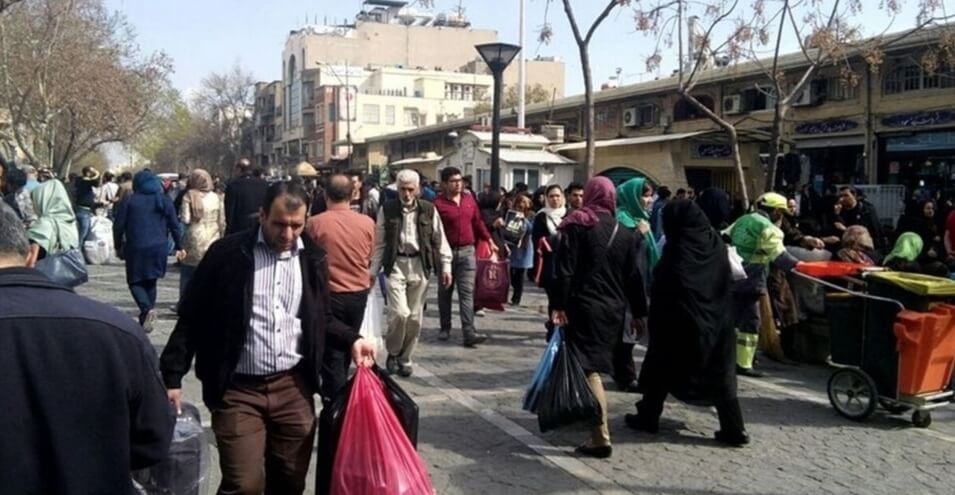
News of the outbreak of influenza and the deaths of dozens of people in Iran has created a wave of concern among citizens.
Some eyewitnesses in Iran's northern provinces tell Deutsche Welle Persian that fear of the disease has significantly reduced public travel.
According to these citizens, some public programs and cultural and sports meetings have also been closed, and travel within cities has decreased.
Discussions about the disease are also hot on social media, from sharing symptoms of the disease and ways to prevent transmission to offering alternative treatments.
Source: DW